How to Make a Rain Stick with Paper Towel Roll — Easy Step-by-Step Guide
Create your own soothing rain sounds with this simple paper towel roll rain stick craft. A fun and engaging activity for the whole family.
Quick answer
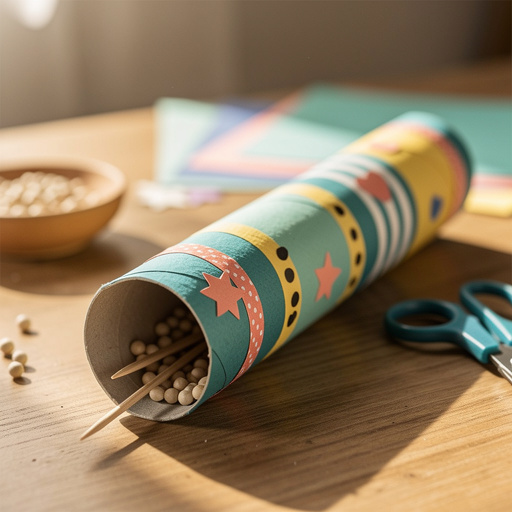
To make a rain stick, you need a paper towel roll, aluminum foil, tape, and small filler items like rice or beads, taking about 30 minutes. Start by creating a spiral inside the tube. This beginner-friendly activity has 7 steps and is perfect for families with young children.
What you need
Shop on Amazon · As an Amazon Associate we earn from qualifying purchases. Links above are affiliate links — we may earn a commission at no extra cost to you.
Embark on a delightful DIY journey to create your very own rain stick! This project is more than just a craft; it's an invitation to explore the soothing sounds of nature right in your home. Perfect for sparking creativity in children and providing a moment of calm for adults, this paper towel roll rain stick is incredibly easy to make. It’s a fantastic way to repurpose common household items into a beautiful, sensory instrument that can be enjoyed by the whole family, fostering a connection with sound and simple craftsmanship.
On this page
Step-by-Step Instructions
- 1
Gather all your materials. Ensure your paper towel roll is clean and dry, and that you have a clear workspace for decorating later.
- 2
Cut a piece of aluminum foil approximately 12 inches long. This length should be sufficient to create a good spiral within the paper towel roll.
- 3
Gently crumple the aluminum foil into a long, thin rope. Avoid making it too compact; a slightly loose crumple will create more surface area for sound.
- 4
Begin to insert the crumpled foil rope into the paper towel roll. As you insert it, start to twist and bend the foil to form a spiral shape along the inside wall of the tube. This spiral is crucial for slowing down the filler and creating the rain sound.
- 5
Continue to push and twist the foil rope, ensuring it adheres to the inner surface in a spiral pattern. You want the spiral to extend as far down the tube as possible without completely blocking the opening.
- 6
Once the foil spiral is in place, gently test its stability. If it feels loose, you can carefully use small pieces of tape to secure the foil to the inside of the tube at a few points, especially at the top and bottom.
- 7
Securely tape one end of the paper towel roll shut. Use a generous amount of tape, overlapping it to create a completely sealed barrier. Ensure there are no gaps where filler can escape.
- 8
Carefully pour your chosen filler material into the open end of the paper towel roll. Start with a smaller amount, like 1/4 cup, and you can always add more if needed after testing the sound.
- 9
Once the filler is inside, gently shake the tube to distribute the filler and hear the initial sound. Adjust the amount of filler until you achieve a pleasing sound; too much can muffle the rain effect.
- 10
Securely tape the second end of the paper towel roll shut, just like the first end. Again, use plenty of tape to ensure a robust seal that will withstand handling and play.
- 11
Test the rain stick by tilting it slowly. Listen to the sound and ensure the filler moves freely down the spiral. If it sounds too muffled or too fast, you might need to adjust the foil spiral or the amount of filler.
- 12
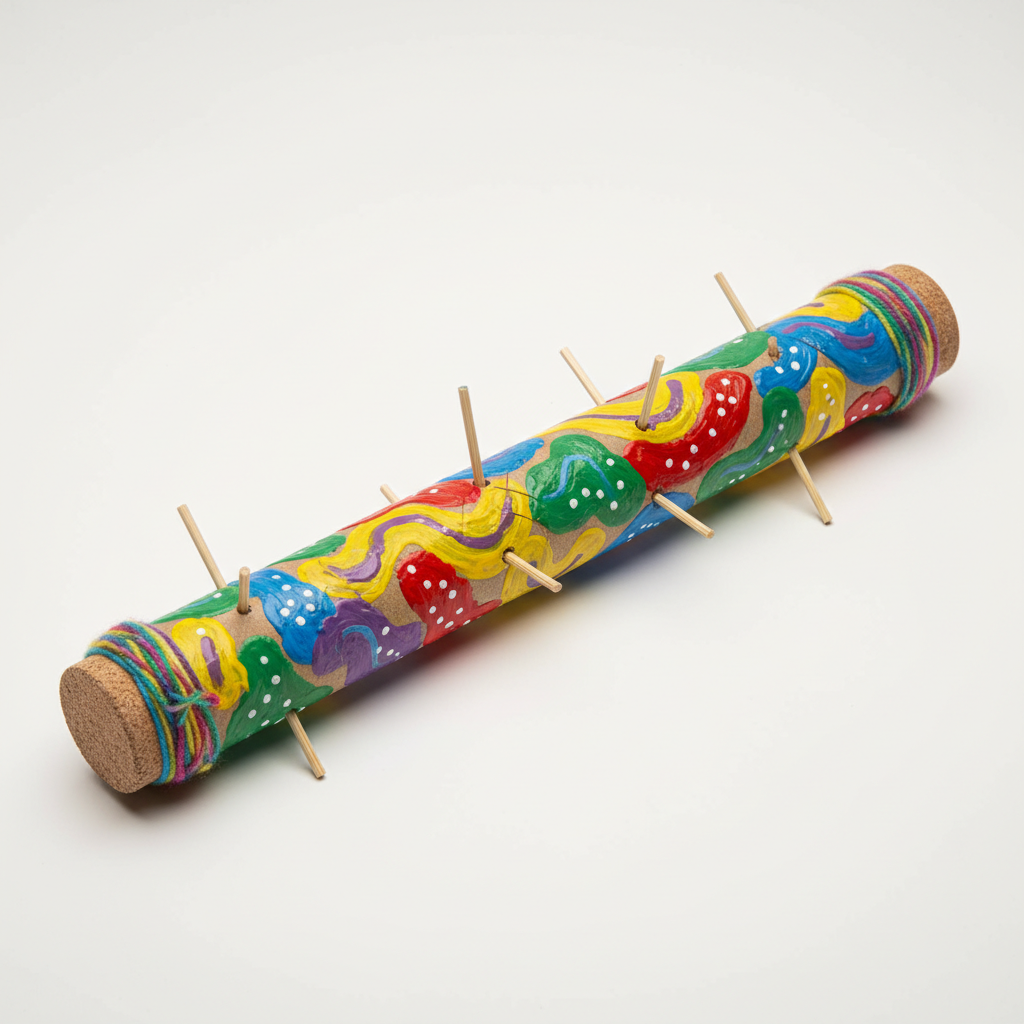
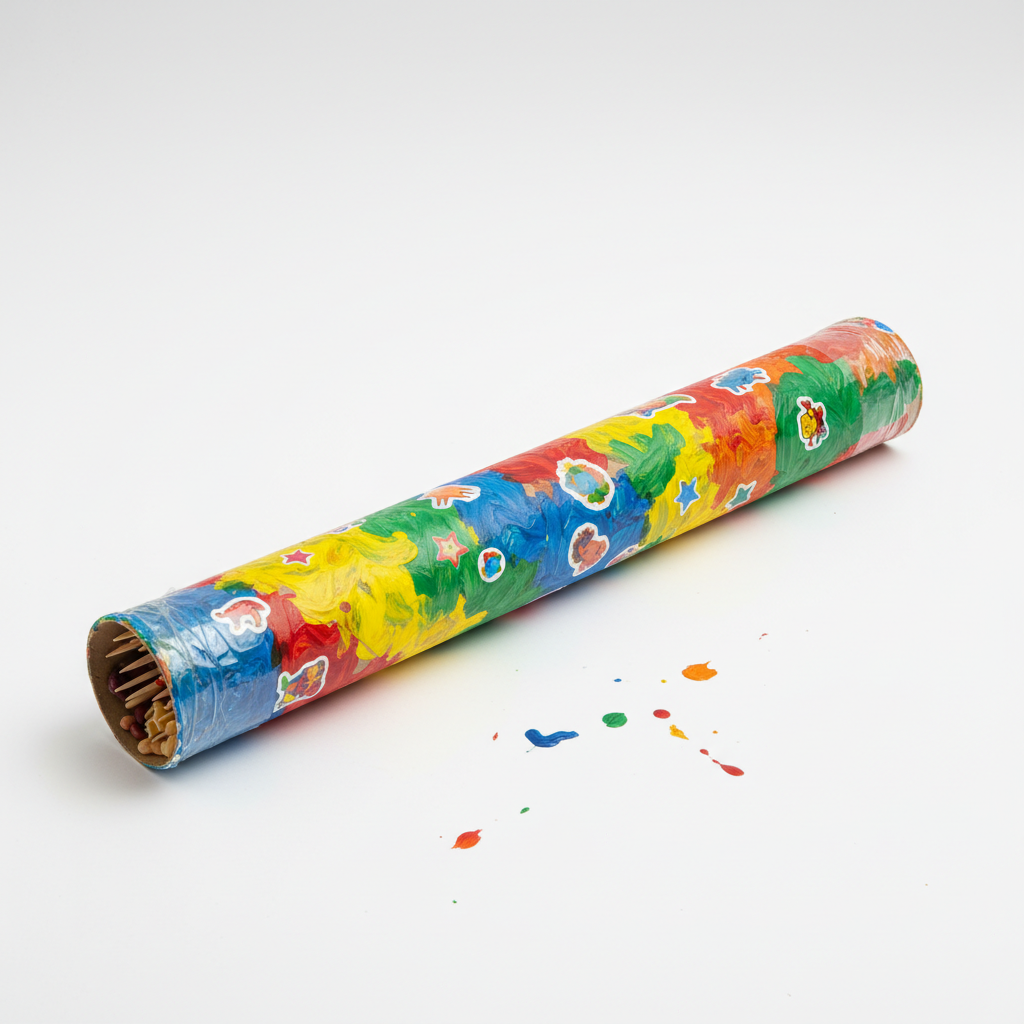
If desired, decorate the outside of your rain stick. This is where you can let your creativity shine! Use paints, markers, stickers, or wrap it in construction paper. Allow any paint or glue to dry completely before proceeding.
- 13
Add any final decorative touches, such as gluing on yarn, fabric scraps, or glitter glue for extra visual appeal. Ensure all decorative elements are securely attached.
- 14
Once all decorations are dry and secure, your paper towel roll rain stick is complete and ready to be played!
Tips & Troubleshooting
- 1If the foil doesn't stay in a spiral easily, you can try taping it to the inside of the tube in a few spots before adding the filler. Use small, discreet pieces of tape to avoid hindering the filler's movement.
- 2Experiment with different filler materials to create unique rain sounds. Rice makes a soft hiss, while beans create a louder rattle, and small beads offer a distinct clicking sound.
- 3For a more durable rain stick, consider using a cardboard tube from wrapping paper and securing the ends with stronger packing tape. This will make it more resilient to enthusiastic play.
- 4Ensure the ends are taped very securely to prevent the filler from spilling out during play. Overlapping the tape generously on both ends is key to a long-lasting rain stick.
- 5When creating the foil spiral, try to make it as consistent as possible. Uneven sections can cause the filler to get stuck or fall too quickly, disrupting the rain sound.
- 6Don't overfill the rain stick. Too much filler can create a dull thud rather than a gentle rain sound. It's better to start with less and add more if needed.
- 7Consider adding a layer of paint or primer to the cardboard tube before decorating. This can help seal the cardboard and provide a better surface for paints and markers, especially if you're using lighter colors.
- 8If you want a truly unique sound, try mixing different filler materials together. A combination of rice and small beads, for example, can create a layered and interesting auditory experience.
Related Activities You Might Enjoy
Frequently Asked Questions
What can I use to fill a paper towel roll rain stick?
The possibilities for filling your rain stick are wonderfully diverse, allowing you to customize its sound! Common and effective fillers include uncooked rice, which produces a soft, hissing rain sound. Dried beans, such as lentils or small black beans, offer a more pronounced rattling effect. Small beads, whether plastic or wooden, create a distinct clicking or tapping sound as they cascade. For a deeper, more resonant sound, consider using small pebbles or even small pasta shapes like orzo or macaroni. Experimenting with different materials, or even combining them, is the key to discovering your favorite rain-like symphony.
How do I make the rain sound louder or softer?
Adjusting the volume and intensity of your rain stick's sound is all about controlling the filler material and its movement. To make the sound louder and more robust, opt for denser filler materials like small pebbles, larger beads, or dried beans. These heavier items will create a more pronounced impact as they fall. Conversely, for a softer, more delicate rain sound, choose lighter materials such as uncooked rice, small pasta shapes, or tiny beads. The amount of filler also plays a significant role; a fuller tube might produce a more continuous sound, while a less full tube might have more distinct individual sounds. Experiment with both the type and quantity of filler to achieve your desired auditory effect.
Can I make a rain stick without aluminum foil?
Absolutely! While aluminum foil is a common and effective material for creating the internal spiral, you can certainly achieve a similar effect using other household items. Instead of foil, you can cut a long, thin strip of sturdy cardboard and twist it into a spiral to insert into the tube. Another creative option is to twist several pipe cleaners together to form a flexible, spiral-like structure. You could also use a long piece of sturdy string or yarn, knotting it at intervals to create bumps that will slow the filler. The goal is to create an internal obstacle course that slows the descent of the filler, so any material that can achieve this will work.
How long will my paper towel roll rain stick last?
With proper care and construction, your paper towel roll rain stick can provide many hours of soothing sound. The key to its longevity lies in securely sealing the ends to prevent any filler from escaping, and protecting the cardboard tube from moisture. Avoid getting the rain stick wet, as this can cause the cardboard to soften, warp, or even disintegrate, and can also damage certain filler materials like pasta. Storing it upright in a dry environment will help maintain its shape and integrity. If the tape begins to loosen over time, a quick reinforcement with new tape can extend its lifespan considerably.
Why does my rain stick sound muffled or too fast?
If your rain stick sounds muffled, it's likely due to one of two reasons: either there is too much filler material, or the internal spiral is too dense and compact, preventing the filler from moving freely. Try removing some of the filler material to see if the sound improves. If the sound is too fast, it means the filler is descending too quickly, which can happen if the internal spiral is not sufficiently developed or is too open. You might need to adjust the foil spiral to be tighter or more extensive along the tube's interior. Gently pushing and twisting the foil can help create a more effective barrier.
Can I make a rain stick for younger children?
Yes, this paper towel roll rain stick is an excellent craft for younger children, with a few considerations for safety and durability. Ensure that all filler materials are non-toxic and large enough not to be a choking hazard if any were to escape (though secure taping is crucial). For very young children, consider using larger, smoother filler items like large wooden beads or smooth pebbles. Supervise children closely during the filling and decorating stages. Using stronger packing tape for the ends is highly recommended to prevent any accidental spills. The decorating phase is a fantastic opportunity for toddlers and preschoolers to express their creativity with chunky markers or large stickers.
What Next?
Congratulations on creating your very own rain stick! This simple yet magical instrument is ready to bring the calming sound of rain into your life. Feel free to experiment further by adding multiple types of filler for a more complex soundscape, or even attaching small bells or beads to the outside for an extra layer of auditory texture. Store your rain stick upright in a dry place to preserve its cardboard structure. Consider making a set of rain sticks with different fillers to create a mini rain orchestra, or explore other DIY musical instruments like shakers or drums for your next creative adventure.
Free: 10 Paper Crafts Anyone Can Make in 5 Minutes
Get our beginner guide + new craft ideas weekly.
No spam. Unsubscribe anytime.
Did you complete this activity?
Related