How to Create Easy Canvas Paintings — Step-by-Step Guide
Discover the joy of creating beautiful art with this easy canvas painting tutorial. Perfect for a screen-free family activity!
Quick answer
To make easy canvas paintings, you need a canvas, acrylic paints, brushes, and water. Start by sketching a simple design. This beginner-friendly activity has 8 steps and is perfect for families with children aged 6+.
What you need
Shop on Amazon · As an Amazon Associate we earn from qualifying purchases. Links above are affiliate links — we may earn a commission at no extra cost to you.
Embarking on your artistic journey doesn't require years of training or expensive supplies. This simple canvas painting tutorial is designed to unlock your inner artist, proving that beautiful art is accessible to everyone. It’s a fantastic screen-free activity that fosters creativity, patience, and a sense of accomplishment, making it ideal for family bonding or a relaxing solo escape. Whether you're a complete novice or looking for a low-pressure way to express yourself, this guide will walk you through creating stunning, easy canvas paintings that you'll be proud to display.
On this page
Step-by-Step Instructions
- 1
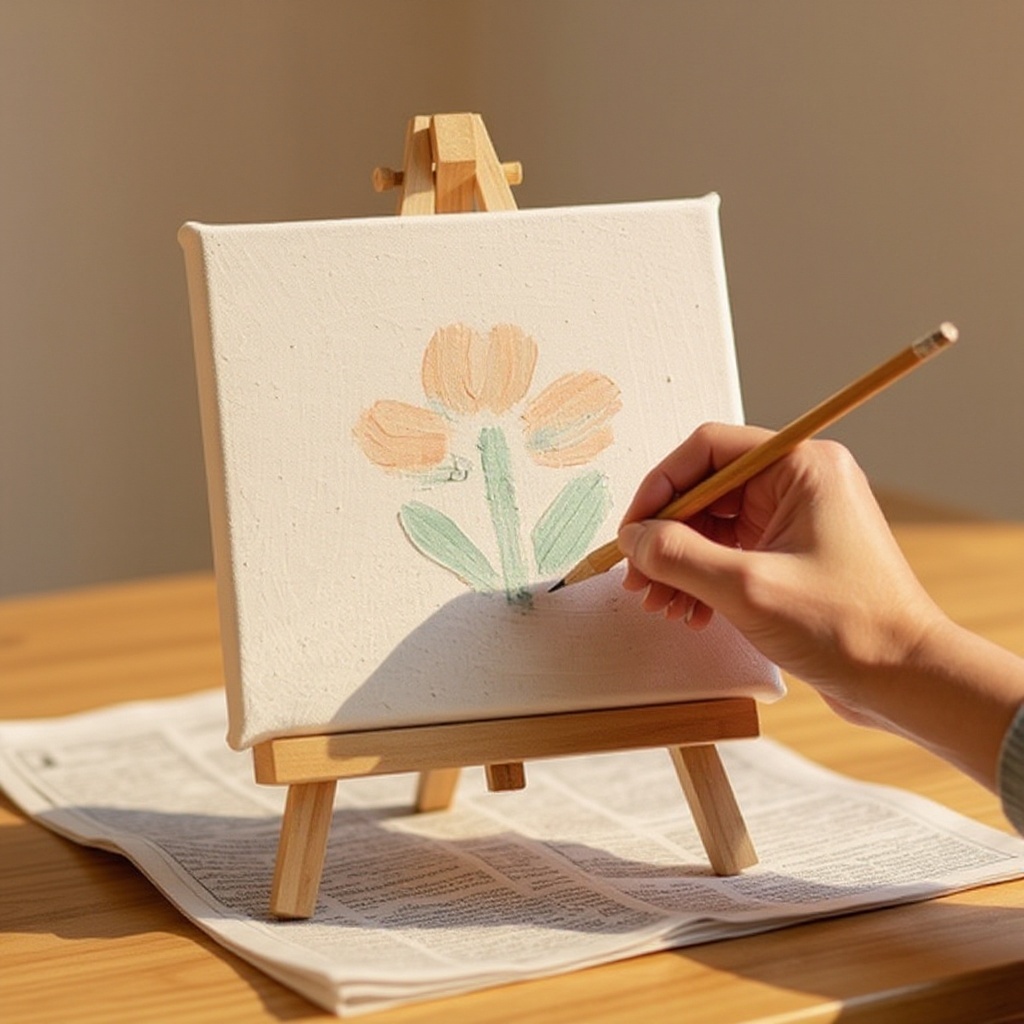
Gather all your materials in a well-lit area, protecting your workspace with newspaper or a drop cloth. Ensure you have enough space to move around comfortably and lay out all your supplies within easy reach. This preparation step is crucial for a smooth and enjoyable painting experience, preventing accidental spills and keeping your creative zone organized.
- 2
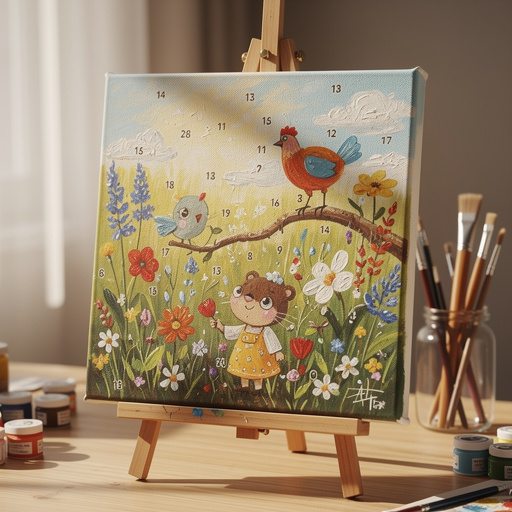
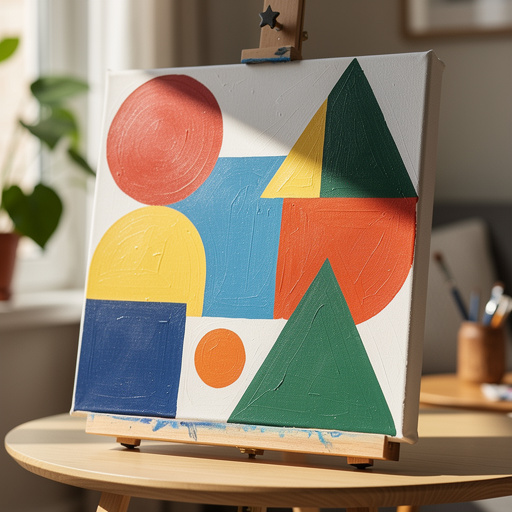
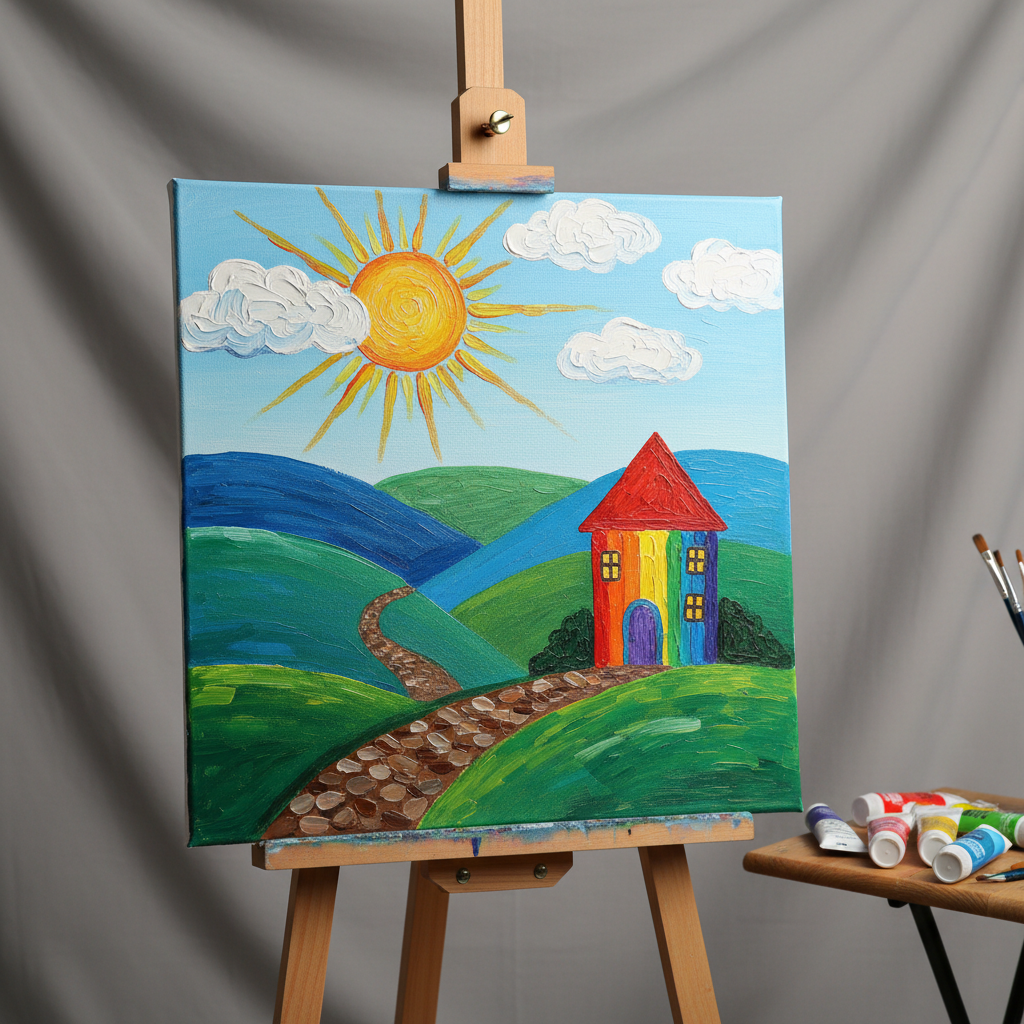
If desired, lightly sketch a simple design onto your canvas with a pencil. Think shapes, simple landscapes, or abstract patterns. For beginners, consider outlining basic forms like a sun, mountains, a simple tree, or geometric shapes. Keep the lines light so they don't show through the paint, and remember that this sketch is a guide, not a rigid rule.
- 3
Squeeze small amounts of your chosen acrylic paint colors onto your palette or disposable plate. It's best to start with smaller amounts to avoid waste, as acrylics dry quickly. You can always add more paint as needed. Consider placing colors you'll use together near each other for easier mixing.
- 4
Prepare your brush for painting by dipping a medium-sized brush into your water cup. Swirl it gently to wet the bristles, then wipe off any excess water on a paper towel. This step ensures that the paint will adhere properly to the canvas and helps control the paint's consistency.
- 5
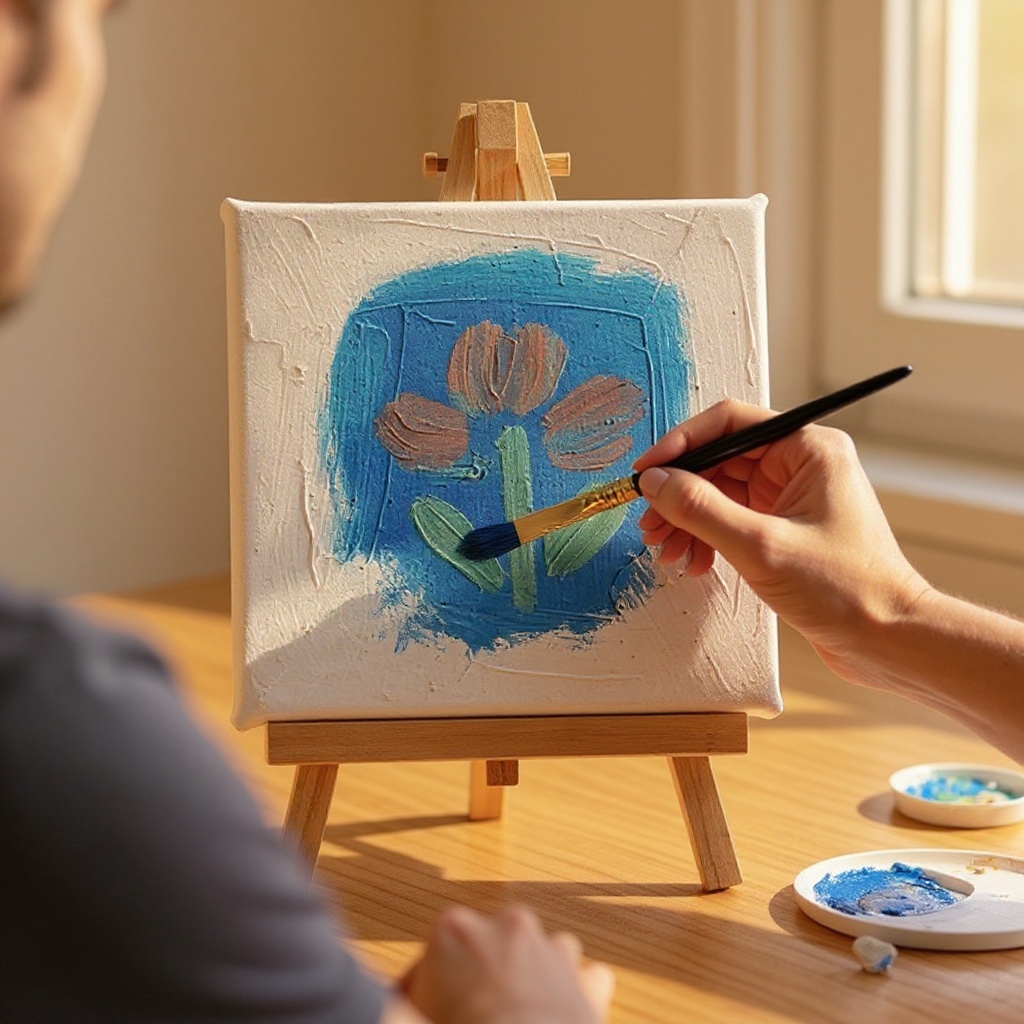
Dip the brush into your first paint color and begin applying it to the canvas, following your sketch or creating abstract strokes. Load your brush with enough paint to cover the desired area without being too thick. Apply the paint with confident strokes, whether they are broad sweeps, dabs, or following the lines of your sketch.
- 6
Rinse your brush thoroughly in the water cup, swirling it to remove all traces of the previous color. Gently squeeze out excess water with a paper towel before switching to a new color. This is a critical step to prevent your colors from becoming muddy and to maintain the vibrancy of your acrylics.
- 7
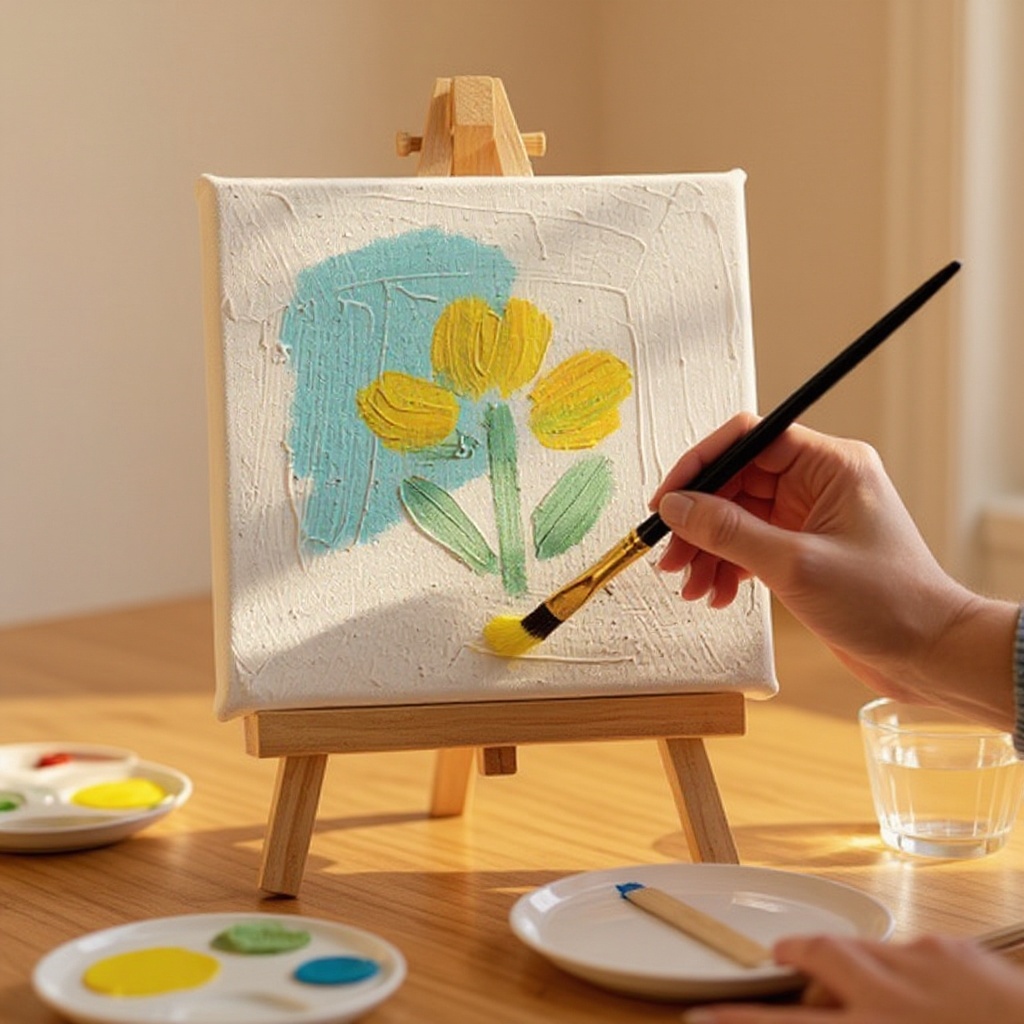
Continue layering colors and building your design, using different brush sizes for detail or broader strokes. Don't be afraid to experiment with different brush techniques. For instance, use a flat brush for large areas of color and a smaller, round brush for finer details or outlines. You can also use the side of a flat brush for softer edges.
- 8
Allow the painting to dry completely. This may take 15-30 minutes depending on paint thickness and environmental humidity. You can gently touch an inconspicuous area to check for tackiness; if it feels dry and not sticky, it's ready for the next step or for storage. Rushing this process can lead to smudging or lifting of paint.
- 9
Once the base layers are dry, you can add finer details or highlights. Use a smaller brush and a contrasting color to add definition to your shapes, create texture, or add small accents. For example, add white highlights to a sun or a touch of black to define the edges of mountains. This step adds depth and polish to your artwork.
- 10
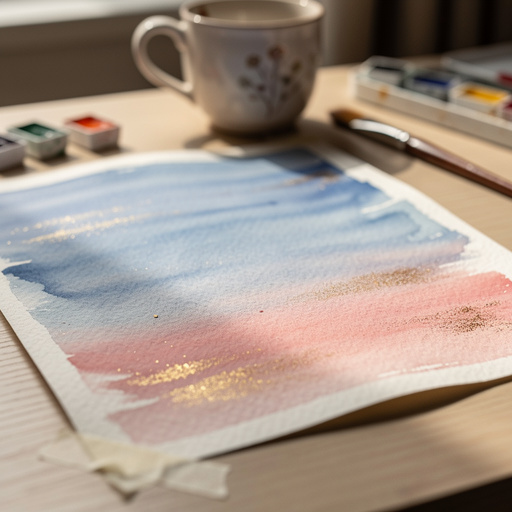
Consider adding a background wash or blending colors for a smoother transition. If you want a sky, for example, you can blend blues and whites while the paint is still wet, or apply a new layer of blended color over a dry base. This can create a more cohesive and professional look.
- 11
If you're aiming for a specific effect, like a sunset or a gradient, use the wet-on-wet technique. Apply your next color while the previous layer is still wet, and blend them together on the canvas. This requires a bit of speed but can create beautiful, seamless color transitions.
- 12
For a more abstract or textured effect, try using a palette knife. You can use it to apply thick blobs of paint, scrape through wet paint to reveal layers underneath, or create interesting textural patterns. This adds a tactile dimension to your canvas.
- 13
If you've used masking tape to create sharp lines or borders, carefully peel it off once the paint in those areas is dry to the touch but not fully cured. Peeling it at an angle can help prevent the paint from lifting with the tape.
- 14
Once your painting is completely dry to the touch and you're happy with the result, you can apply a clear acrylic sealant spray or varnish. This will protect the paint from dust and UV rays, and can enhance the colors or give it a matte or glossy finish. Apply in a well-ventilated area according to the product's instructions.
- 15
Allow the sealant or varnish to dry completely according to the product's instructions. This final step ensures your artwork is preserved and ready for display, giving it a professional and durable finish.
- 16
Clean your brushes thoroughly immediately after use. Acrylic paints can be very difficult to remove once dried on bristles. Rinse them under running water, using a bit of soap if necessary, until all paint is gone. Reshape the bristles and let them dry flat or hanging bristles-up.
Tips & Troubleshooting
- 1Don't be afraid to mix colors on your palette to create new shades. Start with primary colors (red, yellow, blue) and white to make a wide range of hues. Adding a touch of black can deepen colors, while white can lighten them, allowing you to achieve almost any color you can imagine.
- 2If you make a mistake, don't worry! Acrylic paints can often be painted over once dry. For wet paint, you can wipe it away with a damp cloth or a paper towel before it sets. This forgiving nature makes acrylics ideal for beginners who are still learning control and technique.
- 3Experiment with different brush strokes: dabbing, flicking, or long sweeping motions can create interesting textures and effects. For example, dabbing can create a stippled effect, while flicking can create a spray or grass-like texture.
- 4For a more abstract look, try splattering paint by flicking a loaded brush or even using a toothbrush for a fine spray. You can also drip paint onto the canvas or use a sponge to create unique patterns and textures.
- 5Once completely dry, you can seal your canvas painting with a clear acrylic sealant spray or varnish for added protection and a finished look. This step is highly recommended to preserve your artwork and prevent fading or damage over time.
- 6Consider using a limited color palette for a more cohesive look. Choosing just 3-4 colors and their variations can create a sophisticated and unified piece, even with simple subject matter.
- 7Don't be afraid to layer your colors. Acrylics dry quickly, allowing you to build up depth and opacity by painting over dried layers. This is a great way to correct mistakes or add new elements to your design.
- 8If you're painting with children, simplify the process further by pre-drawing shapes or even using stencils. Focus on the fun of color mixing and application rather than a perfect outcome.
Related Activities You Might Enjoy
Frequently Asked Questions
What are the easiest things to paint on canvas for beginners?
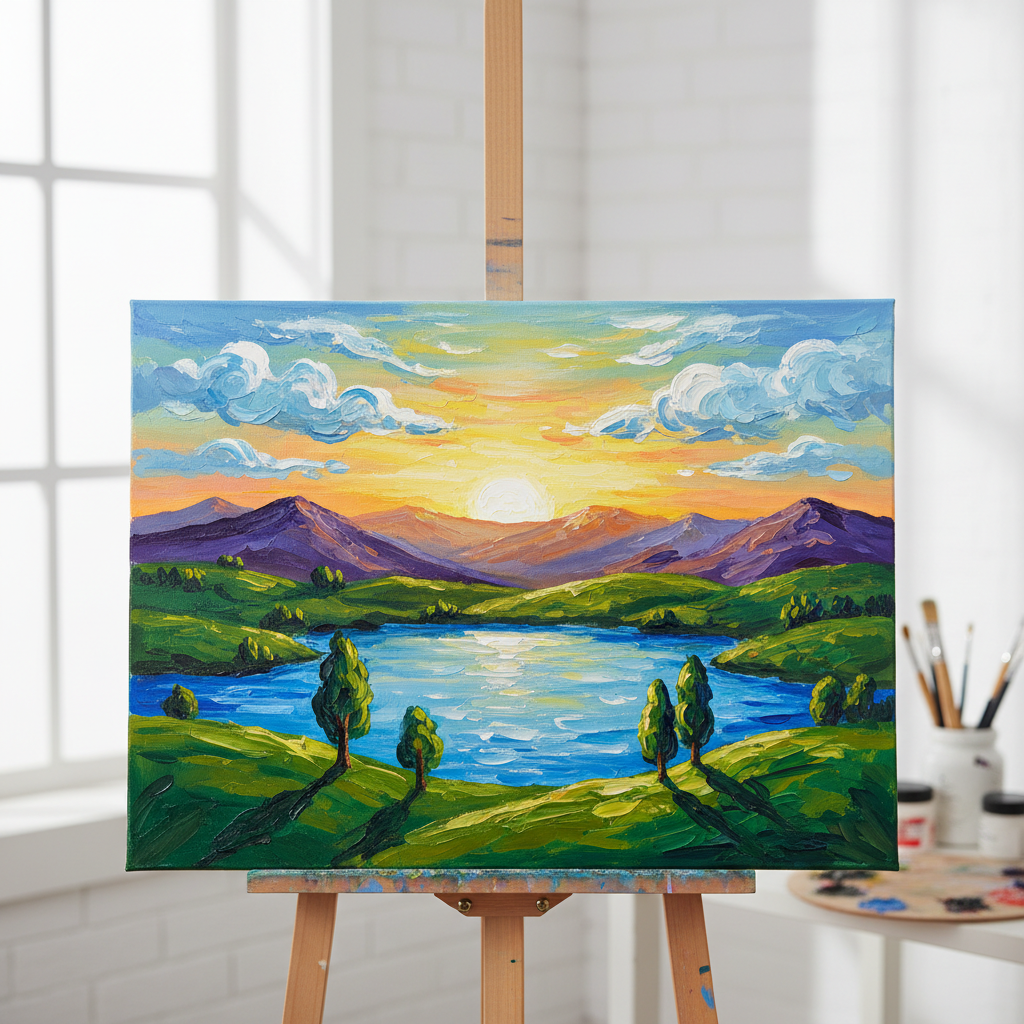
Simple shapes, abstract patterns, basic landscapes like a sun and mountains, or even just color blocking are great for beginners. Focus on enjoying the process rather than perfection. You could try painting a gradient of colors, a starry night sky with simple dots for stars, or a collection of geometric shapes like circles and squares. Another easy approach is to create a 'color field' painting, where you simply fill the canvas with one or two harmonious colors. The key is to choose subjects that don't require intricate detail or precise rendering, allowing you to concentrate on brushwork and color application.
Do I need special paints for canvas painting?
Acrylic paints are ideal for canvas painting as they are water-based, dry quickly, and are vibrant. They adhere well to canvas and are easy to clean up with water. While you can use oil paints or watercolors on canvas, acrylics offer the best balance of ease of use, drying time, and versatility for beginners. They are also relatively inexpensive and widely available, making them an accessible choice for anyone looking to start painting on canvas. Ensure you are using acrylics specifically designed for canvas or general-purpose acrylics.
How long does it take for acrylic paint to dry on canvas?
Acrylic paint typically dries within 15-30 minutes on canvas, depending on the thickness of the application and humidity. Thicker layers may take longer. Factors like room temperature, air circulation, and the absorbency of the canvas can also influence drying time. For very thick applications, it might take an hour or more to dry completely to the touch. It's always best to wait until the paint is fully dry before adding subsequent layers or handling the artwork to avoid smudging or lifting.
Can I paint on a canvas without a sketch?
Absolutely! Many artists create beautiful abstract paintings directly on the canvas without any prior sketching. Just start with colors and let your creativity flow. This approach is often referred to as 'intuitive painting' or 'abstract expressionism.' You can begin by applying washes of color, then build up layers, textures, and forms as you go. Don't be afraid to make marks, experiment with different tools, and respond to what appears on the canvas. It's a liberating way to create art and can lead to unexpected and exciting results.
What is the best way to clean paint brushes after using acrylics?
The best way to clean paint brushes after using acrylics is to do so immediately after you finish painting. First, rinse off as much paint as possible under running water. Then, use a mild soap (like dish soap or a dedicated brush cleaner) and gently work it into the bristles to lift any remaining paint. Swirl the brush in the soapy water, rinse thoroughly, and repeat if necessary until the water runs clear. Reshape the bristles with your fingers and let the brushes dry flat or hanging bristles-up to maintain their shape. Never let acrylic paint dry in your brushes, as it can permanently damage them.
How can I achieve different textures with acrylic paints?
You can achieve a variety of textures with acrylic paints using different techniques and tools. For thick, impasto effects, apply paint directly from the tube or mix it with a heavy gel medium. Use a palette knife to create bold strokes and ridges. For finer textures, try stippling with a stiff brush, dabbing with a sponge, or flicking paint from a toothbrush for a spray effect. You can also incorporate materials like sand, modeling paste, or even fabric into your paint mixture before applying it to the canvas for unique tactile qualities.
What Next?
Congratulations on creating your very own easy canvas painting! This project is just the beginning of your artistic exploration. Consider variations like adding texture with a palette knife, incorporating collage elements, or trying different color palettes for future pieces. Once your masterpiece is completely dry, you can hang it directly on the wall, or frame it for a more polished look. Store any leftover paints in airtight containers to preserve them for your next creative endeavor. Keep painting, keep experimenting, and most importantly, keep enjoying the process!
Free: 10 Paper Crafts Anyone Can Make in 5 Minutes
Get our beginner guide + new craft ideas weekly.
No spam. Unsubscribe anytime.
Did you complete this activity?