Bird Watching Near Me Made Simple — Quick Start Guide for Beginners
Transform your backyard into a haven for feathered friends with these simple, screen-free crafts! Learn to build five unique bird feeders designed for different birds and create identification aids to enhance your local bird watching experience. Discover common backyard birds, how to attract them, and even learn a fun fact or two about your new visitors!
Quick answer
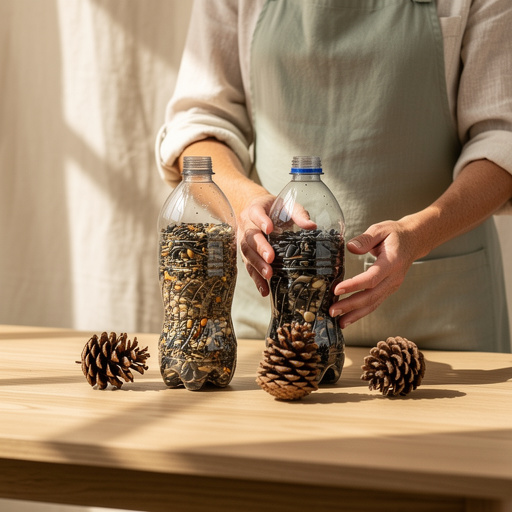
To make a Backyard Bird Buffet Bonanza, you'll need common household items like plastic bottles, pinecones, and birdseed, plus basic craft supplies. It takes about 90 minutes to create all five feeders and identification crafts. You might attract birds like robins, sparrows, and blue jays, and our DIY field guide will help you identify them!
What you need
Shop on Amazon · As an Amazon Associate we earn from qualifying purchases. Links above are affiliate links — we may earn a commission at no extra cost to you.
Ready to discover the amazing world of birds right outside your window? This guide is your ticket to a 'Backyard Bird Buffet Bonanza' – a collection of five easy-to-make, upcycled bird feeders designed for different birds, plus a DIY field guide to help you identify your new visitors. These projects are perfect for families looking for screen-free fun and a way to connect with nature, turning your yard into a vibrant bird sanctuary. I remember the first time a robin landed on a feeder I made with my kids – the sheer joy on their faces was priceless! We'll help you identify those cheerful robins and busy sparrows, too!
On this page
Step-by-Step Instructions
- 1
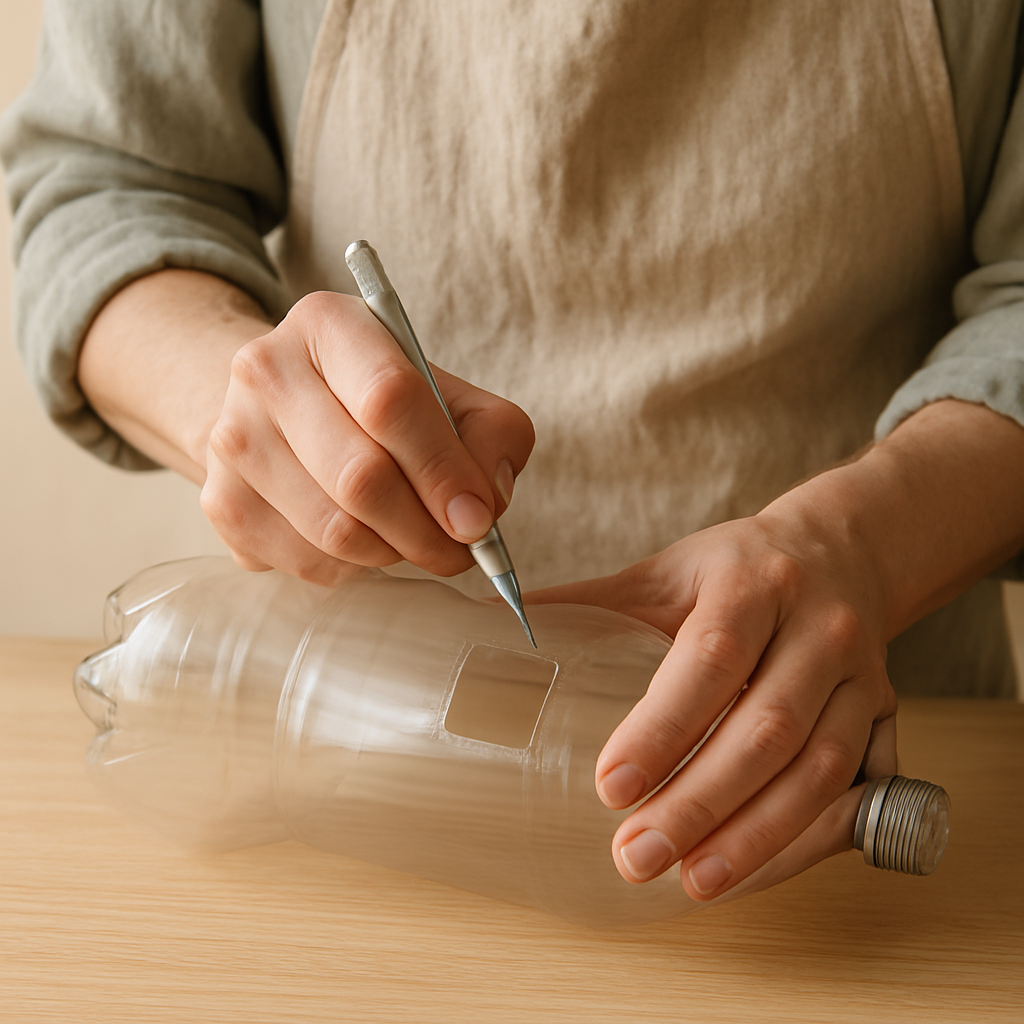
Step 1: Prepare the Soda Bottle Feeder. Take one 2-liter plastic bottle. Using a craft knife (adults only!), carefully cut two small holes, about 2cm x 2cm, directly opposite each other, 5cm up from the base. Repeat this 5cm higher, rotating the bottle 90 degrees. These are your feeding ports.
- 2
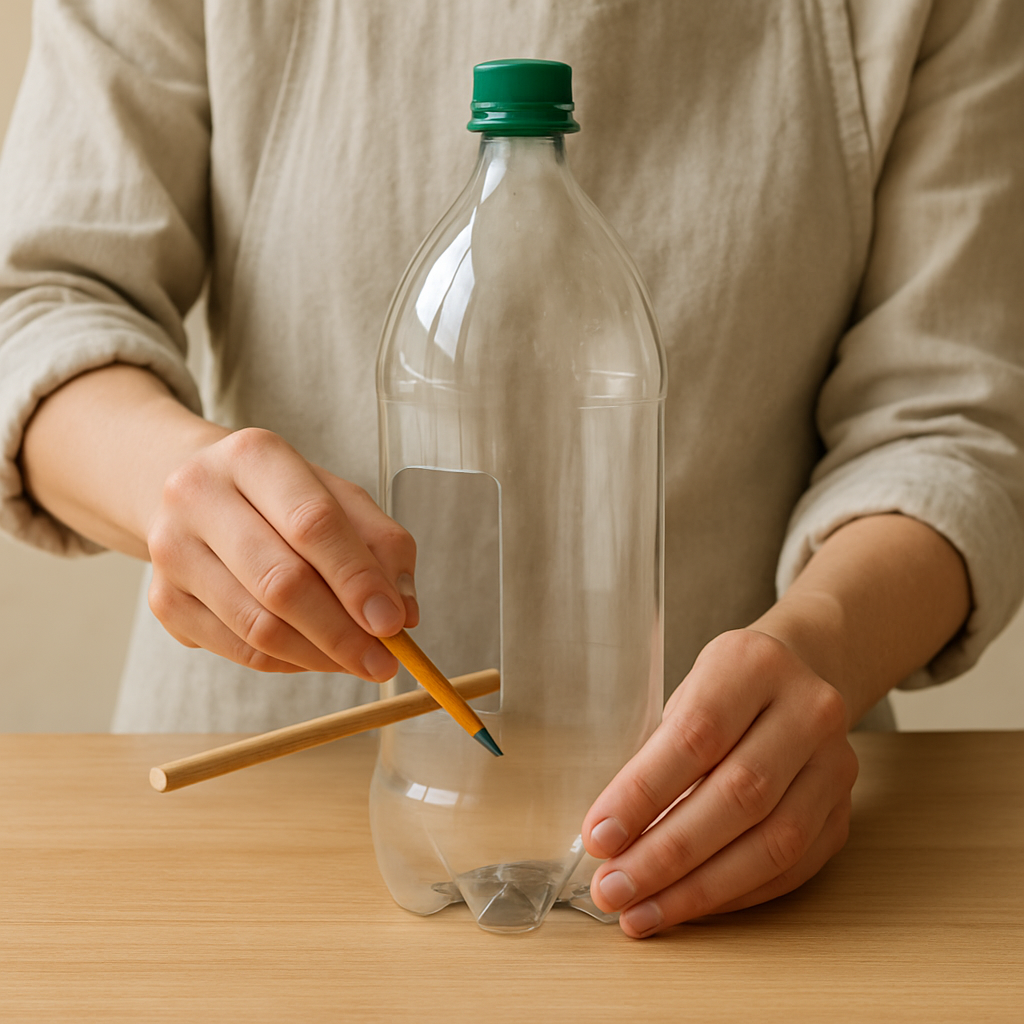
Step 2: Create Perches for the Bottle Feeder. Below each feeding port, carefully poke a small hole just large enough for a pencil or chopstick to pass through. Insert a pencil or chopstick through these holes, ensuring about 5cm extends out on each side to act as a perch. If the perch is loose, add a dab of hot glue (adult supervision!) on the inside.
- 3
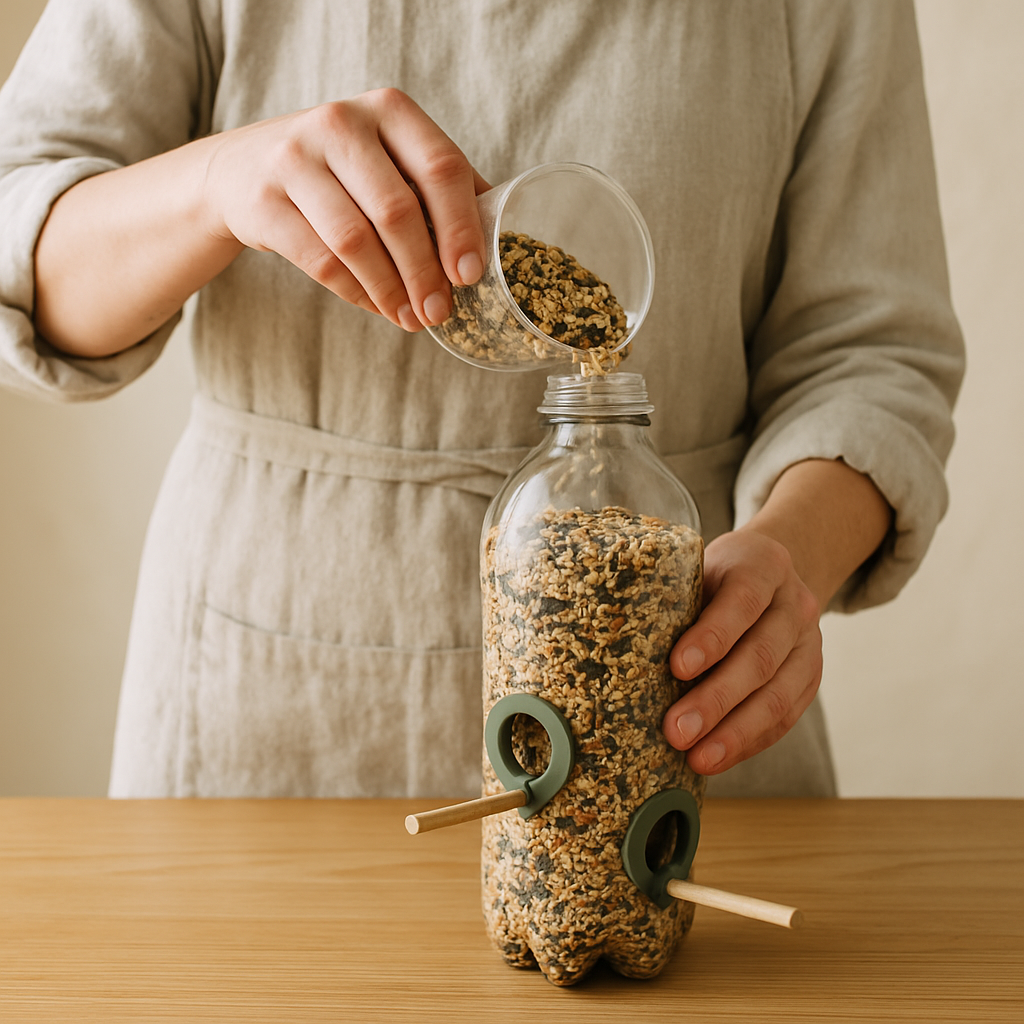
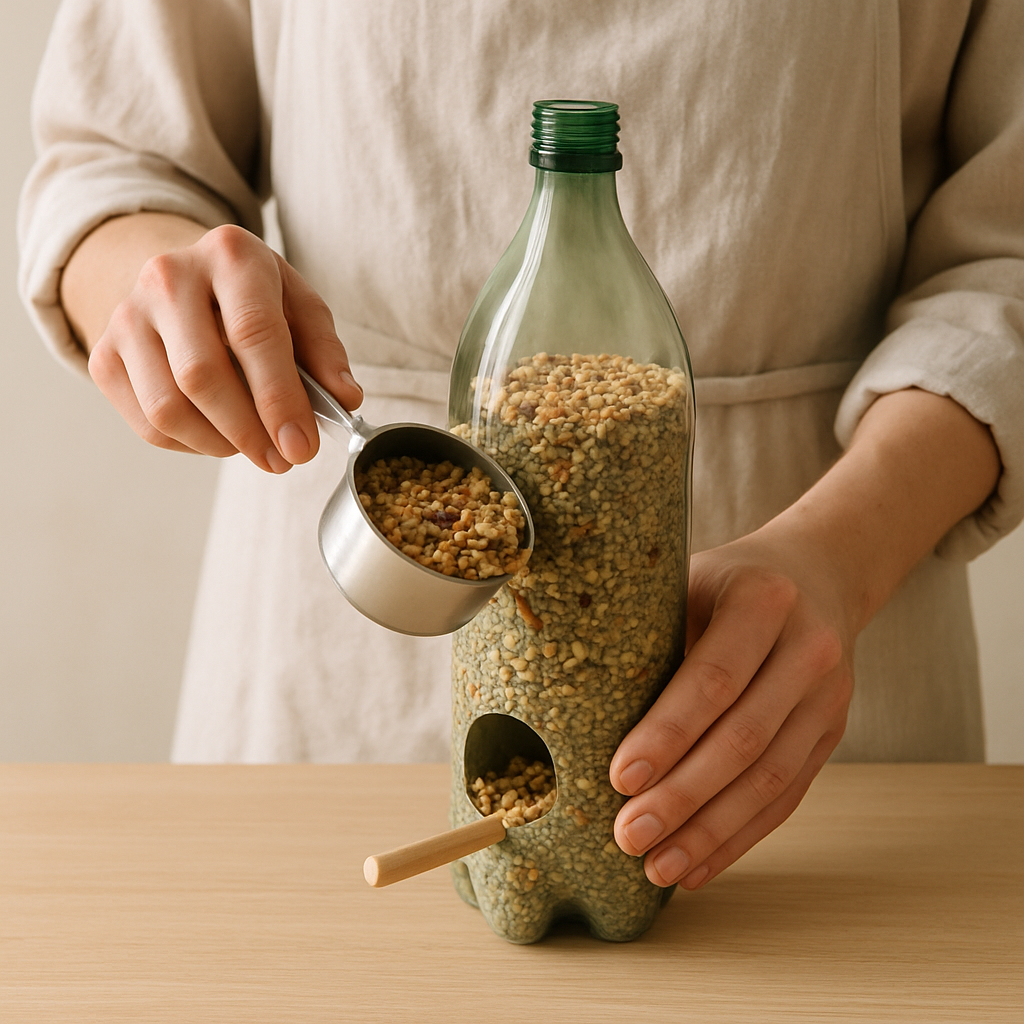
Step 3: Fill the Bottle Feeder. Pour approximately 1.5 cups of mixed birdseed into the bottle through the top opening. Screw the cap back on tightly. Tilt the bottle so the seed flows out of the feeding ports. If seed doesn't flow, gently tap the bottle. If it's still stuck, you can carefully enlarge the feeding ports by 1-2mm using scissors or a craft knife, being careful not to make them too large, which could let rain in.
- 4
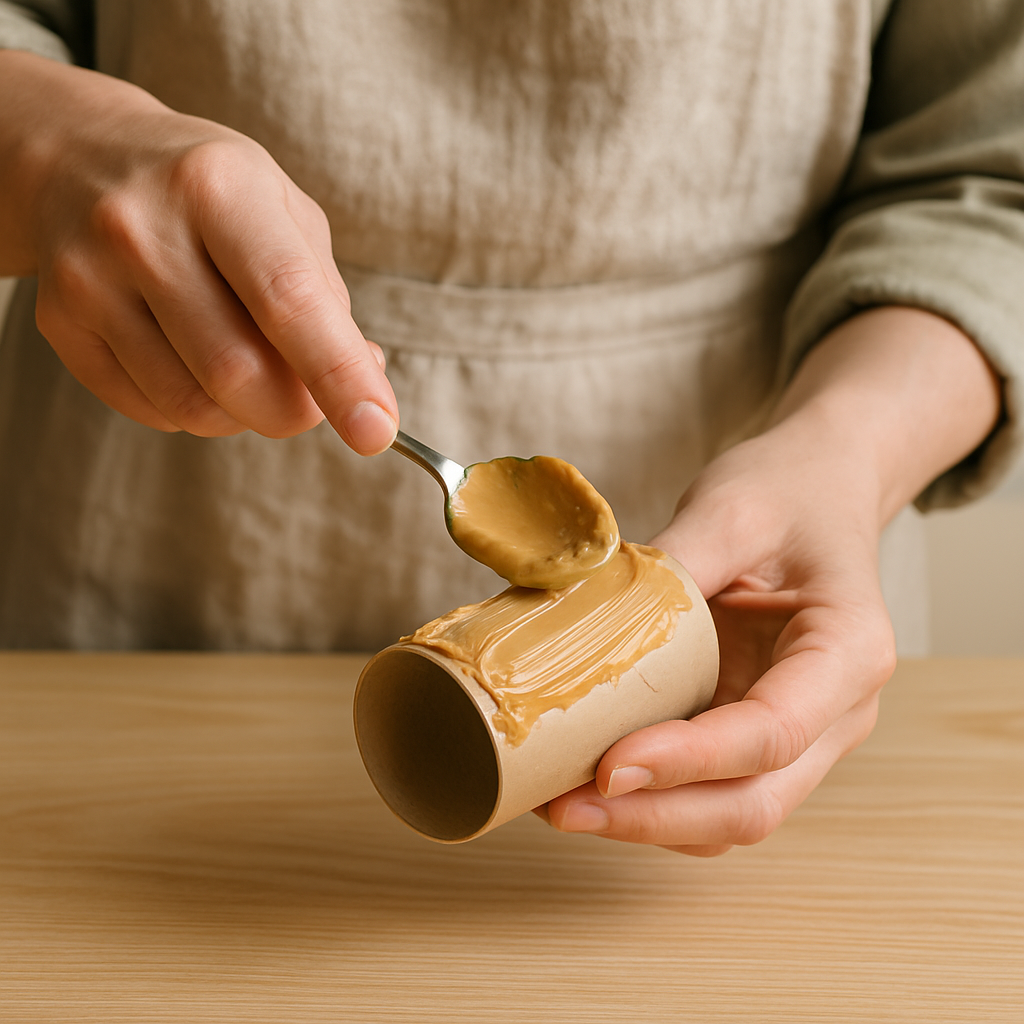
Step 4: Make the Toilet Paper Tube Feeder. Take the empty toilet paper tube. Spread a thin, even layer of peanut butter all over the outside surface using a spoon, aiming for a coating about 0.5cm thick. If the tube is too soft, you can reinforce it by wrapping a strip of masking tape around it first.
- 5
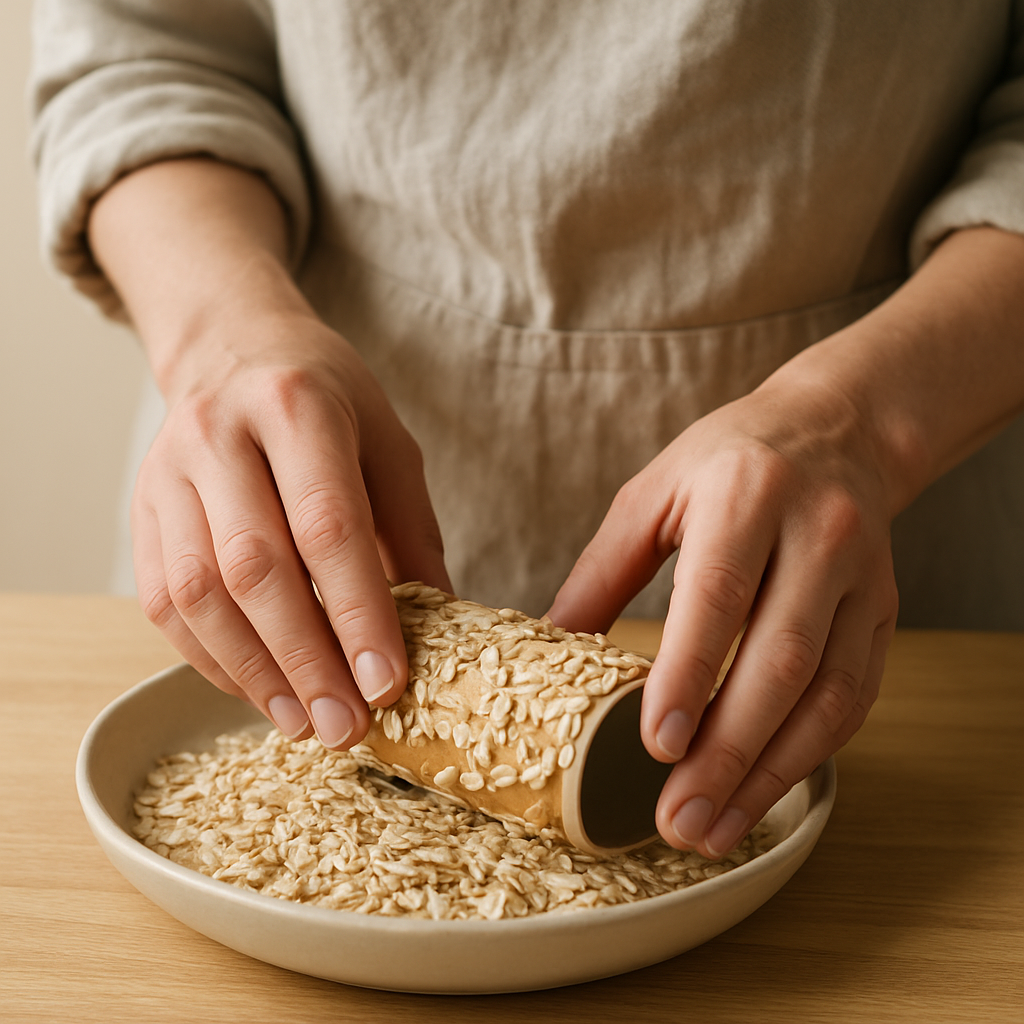
Step 5: Coat the Peanut Butter Feeder. Pour 1 cup of rolled oats into a shallow dish. Roll the peanut butter-covered tube in the oats, pressing gently to ensure the oats stick well. Make sure the entire surface is covered; this creates a tasty treat for smaller birds like finches and chickadees.
- 6
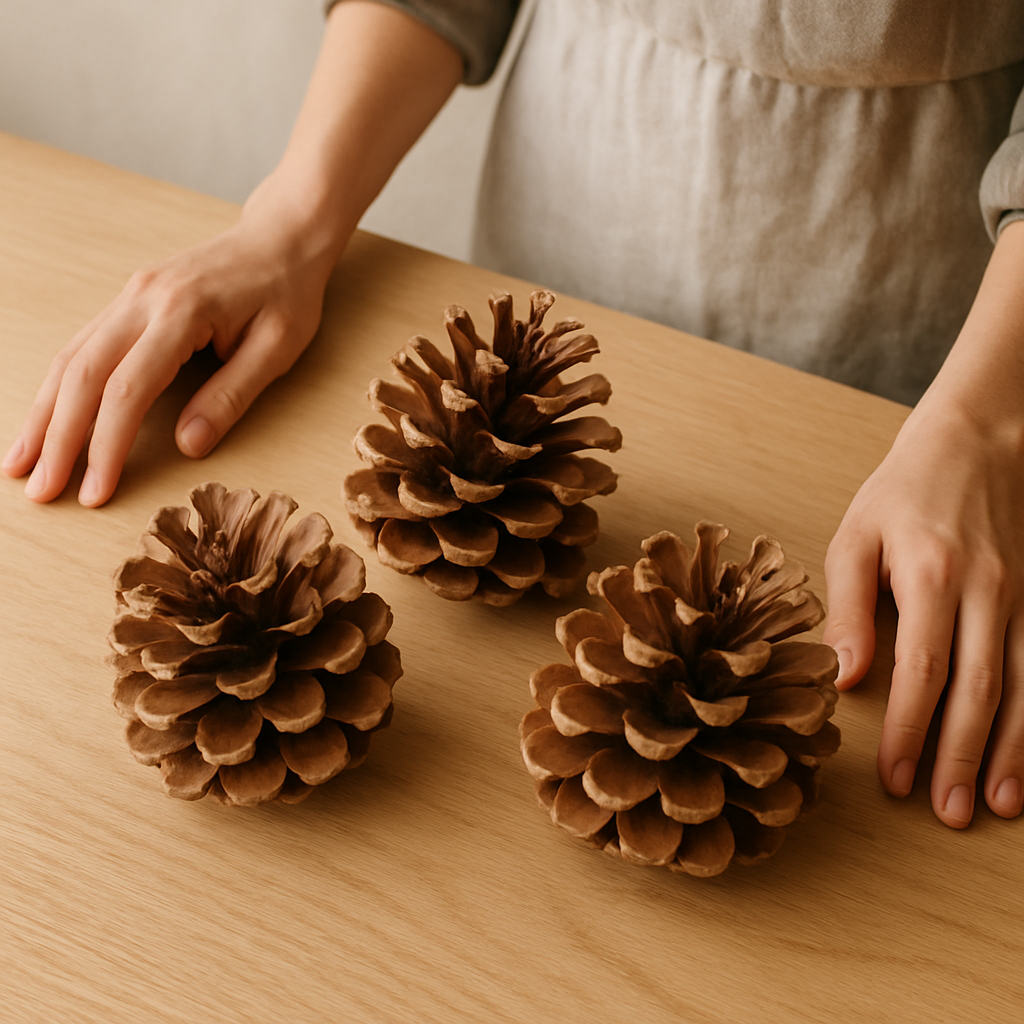
Step 6: Prepare the Pinecone Feeders. Take your three large pinecones and ensure they are dry and the scales are relatively open. If the scales are closed, you can gently bake them on a low heat (100°C / 212°F) for about 30 minutes, then let them cool completely.
- 7
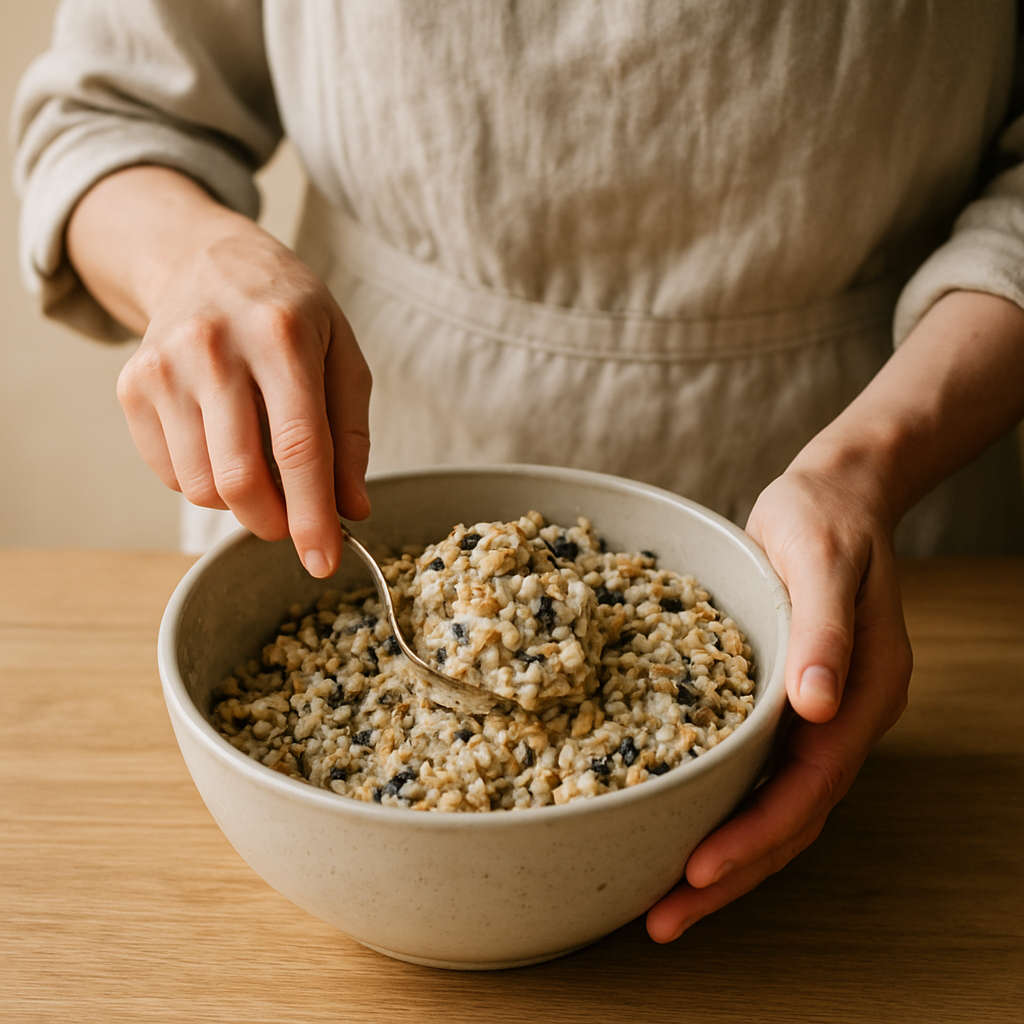
Step 7: Mix the Suet Paste. In a bowl, combine 1 cup of suet or vegetable shortening with 1.5 cups of mixed birdseed and 1/2 cup of rolled oats. Mix thoroughly with a spoon until it forms a thick, sticky paste. If it’s too dry, add a tiny bit more shortening; if too wet, add more oats.
- 8
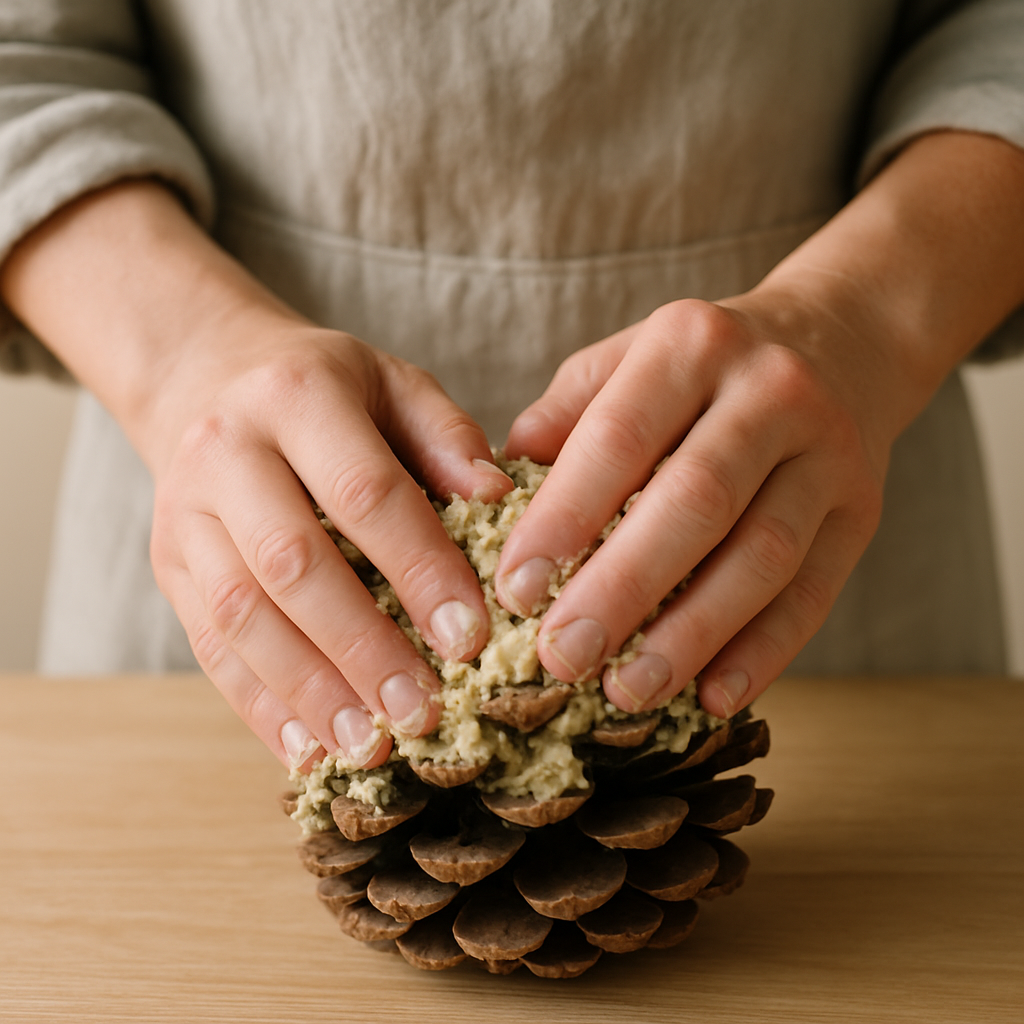
Step 8: Coat the Pinecones. Using your hands (gloves recommended!), firmly press the suet mixture into the crevices and onto the scales of each pinecone. Pack it in well so it doesn't fall off easily; you want a generous coating that birds can easily peck at.
- 9
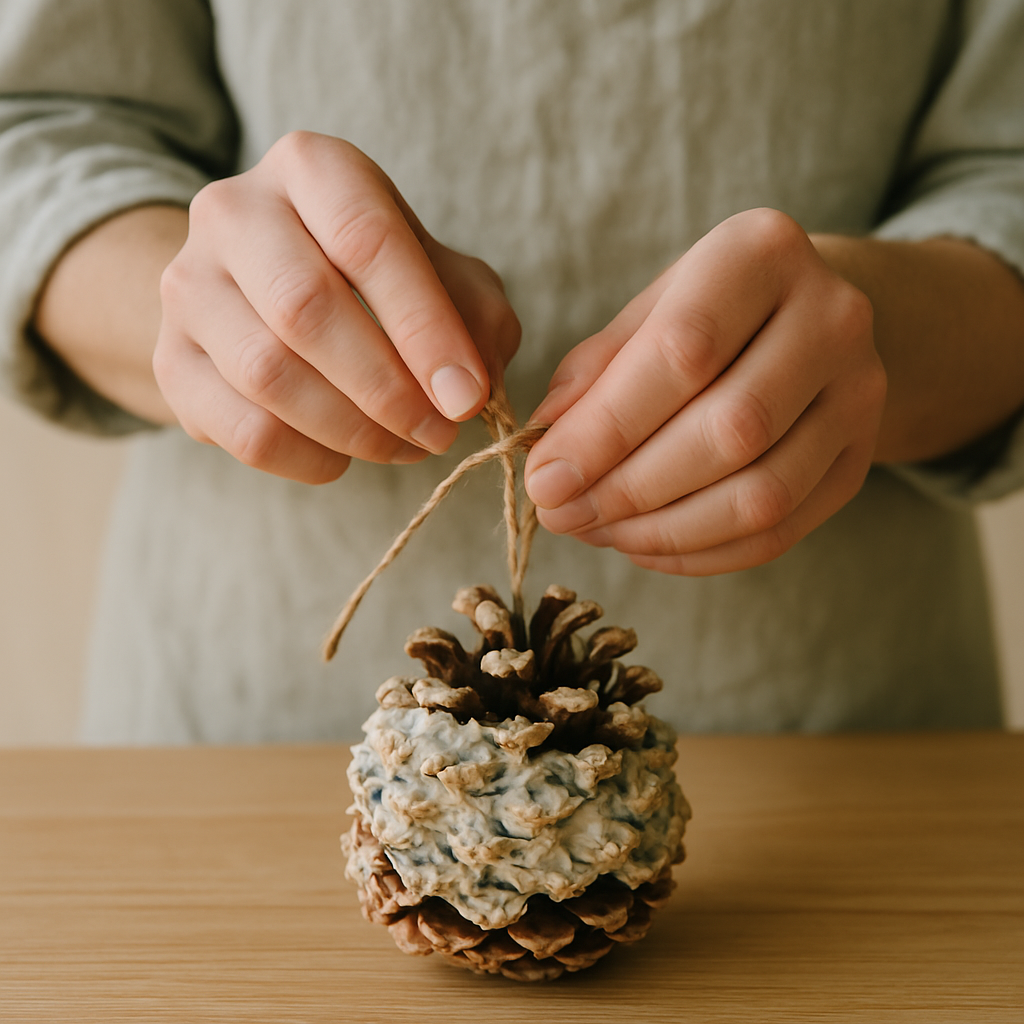
Step 9: Add Hanging Twine. For each pinecone feeder, cut a 30cm piece of twine. Tie one end securely around the top section of the pinecone, just below the uppermost scales, creating a loop for hanging. Ensure the knot is tight; if it slips, add a dab of glue.
- 10
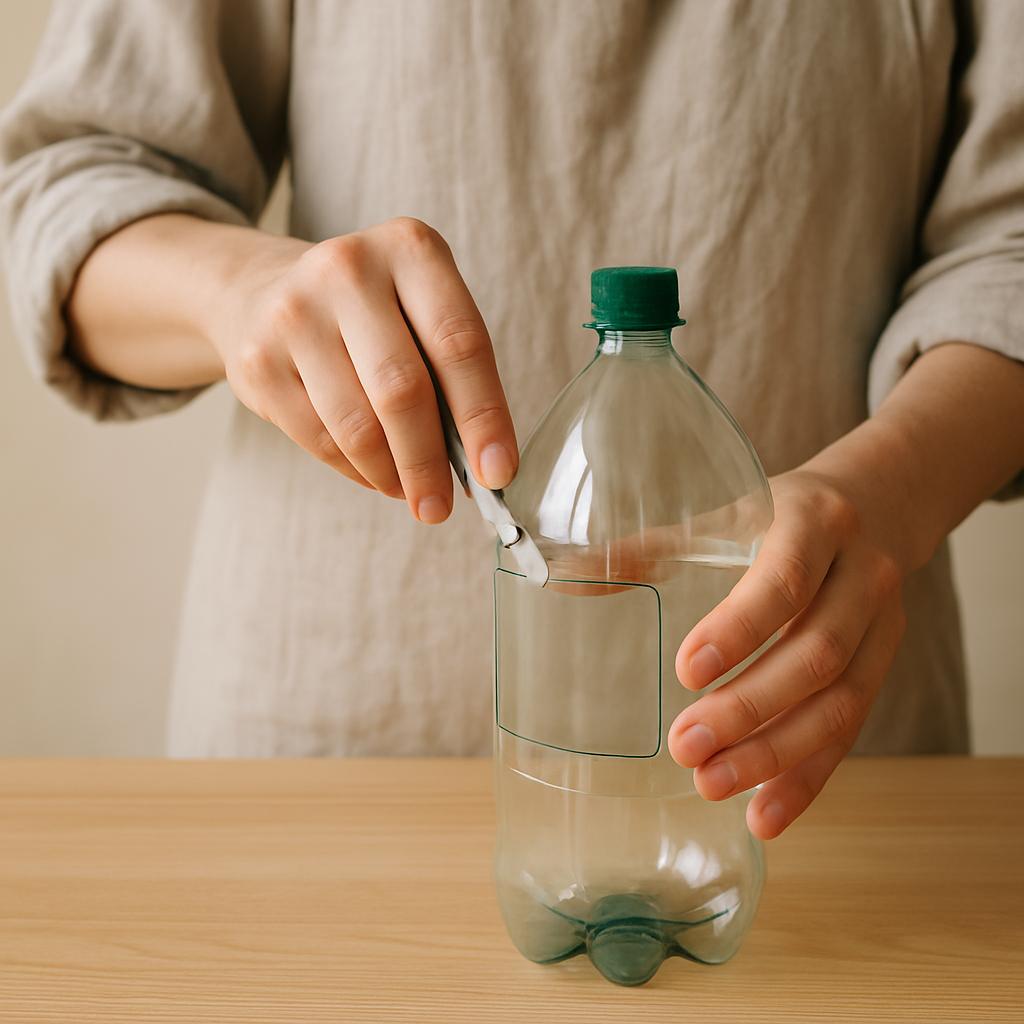
Step 10: Create the 'Seed Log' Feeder. Take the second 2-liter plastic bottle. Using a craft knife (adults only!), cut a large opening on one side, about 8cm wide and 6cm tall, starting 5cm from the base. This creates a tray-like opening for seeds.
- 11
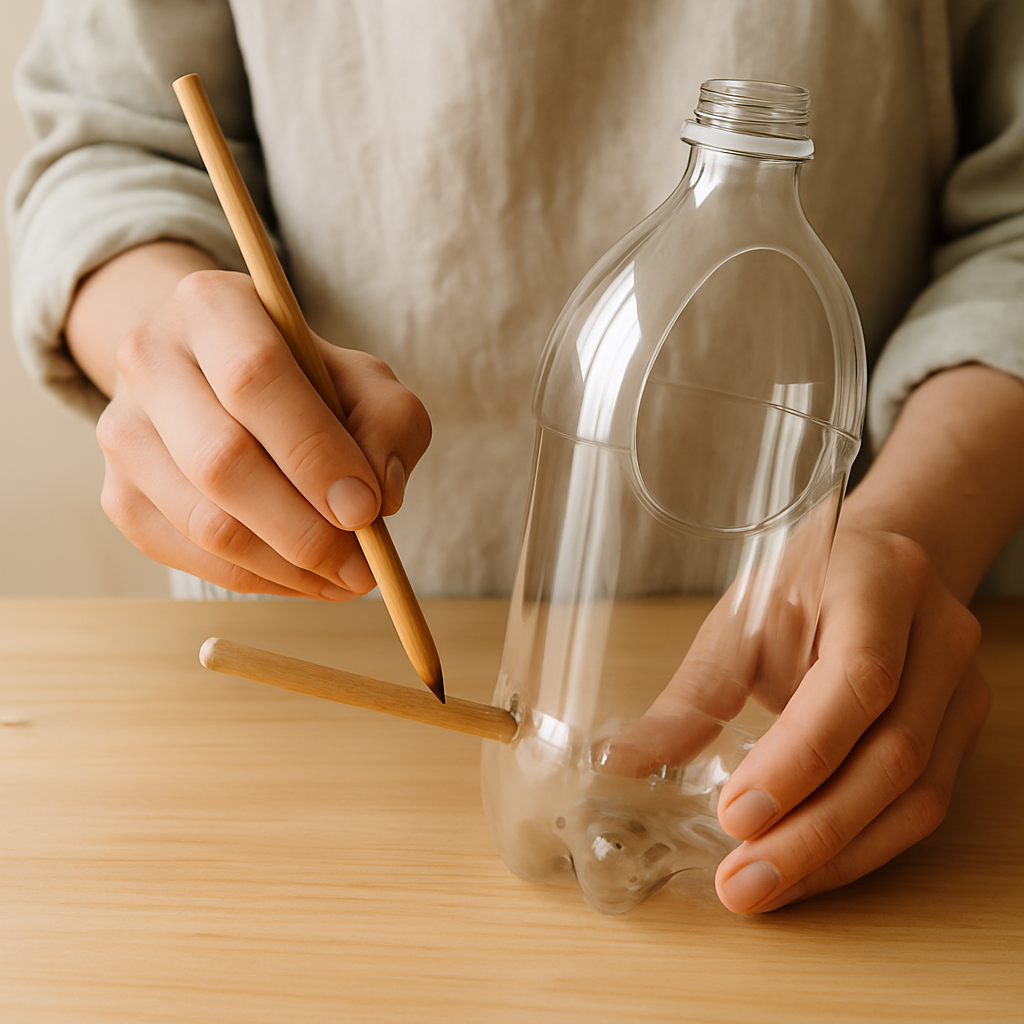
Step 11: Add Drainage and Perches to the Seed Log. Poke several small drainage holes (about 3mm) in the base of the bottle to prevent waterlogging. Below the large opening, poke two small holes opposite each other and insert a pencil or chopstick for a perch, similar to Step 2.
- 12
Step 12: Fill the Seed Log Feeder. Fill the bottom of the bottle with about 1 cup of birdseed. Hang this feeder so the opening faces slightly upwards, perhaps by angling the hanging twine, allowing birds to access the seed easily while keeping most of the rain out.
- 13
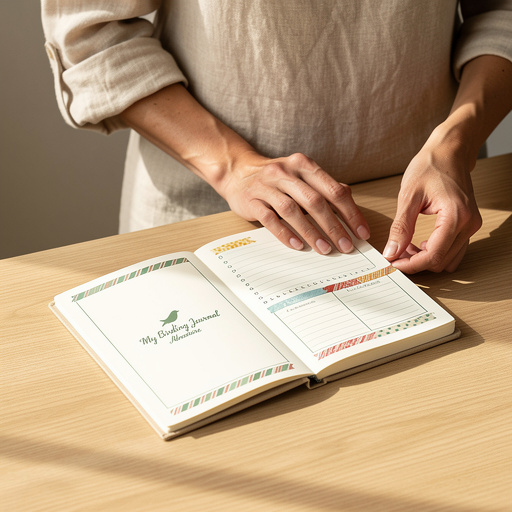
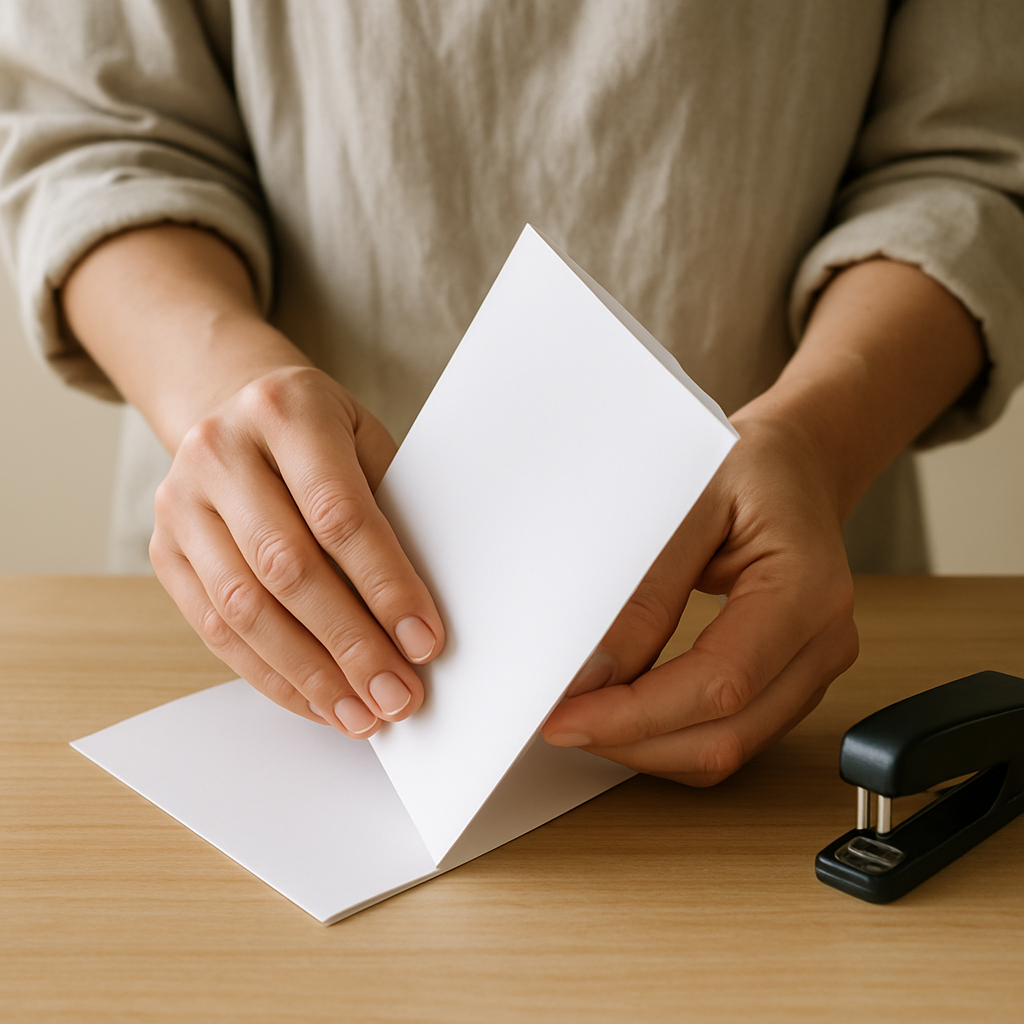
Step 13: Prepare the DIY Field Guide Pages. Take your two sheets of A4 cardstock. Fold each sheet in half lengthwise, creating a booklet. You'll have four pages total for your guide. Use a stapler (two staples along the folded edge) to secure the pages together. If the fold isn't crisp, run your thumbnail along it firmly.
- 14
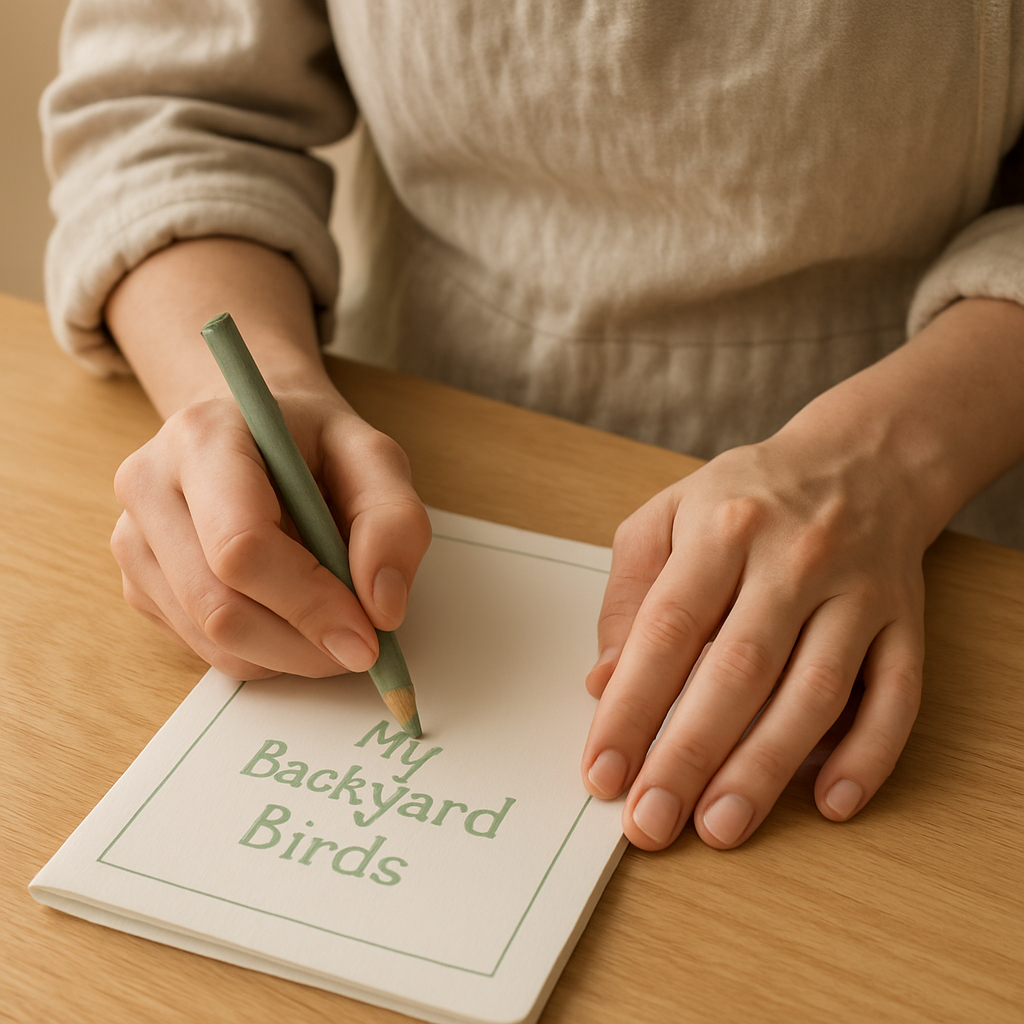
Step 14: Design Your Field Guide. On the first page, write 'My Backyard Birds' and draw a simple border. On the remaining pages, draw simple bird silhouettes or use leaf rubbings for texture. You can also print simple bird outlines from online templates. Leave plenty of space inside the outlines for coloring and adding details.
- 15
Step 15: Color and Label Your Birds. Use your colored pencils or crayons to color the bird outlines based on common appearances. Explicitly mention that the field guide is for *identifying* the birds that come to the feeders. Instead of just writing the name, add a fun fact about each bird once identified. For example, 'Robins pull worms from the ground!' or 'Sparrows often eat seeds and insects.' If you're unsure of names, do a quick online search for 'common backyard birds in [your region]' and use that information.
- 16
Step 16: Final Touches and Placement. Hang your pinecone feeders and bottle feeders from tree branches using the twine. Place the seed log feeder on a flat surface or hang it. Position your DIY field guide nearby for easy reference during your bird watching sessions. For an extra touch, decorate the plastic bottles with non-toxic paints before filling them for a more personalized look.
Tips & Troubleshooting
- 1Troubleshooting Seed Flow: If seed isn't flowing well from the bottle feeders, the holes might be too small or clogged. Gently widen the feeding ports by 1-2mm with scissors or a craft knife, being careful not to make them too large, which could let rain in. Ensure the cap is on tightly to prevent seed from spilling out the top.
- 2Attracting Specific Birds: Different birds prefer different foods. For finches, try niger seed or smaller seeds. For woodpeckers, suet is a favorite. Researching common birds in your area will help you tailor your seed mixes and feeder types. For example, robins love mealworms, while blue jays enjoy peanuts. Consider offering mealworms in a specialized dish or a small platform feeder to attract robins.
- 3Age Adaptations: For younger children (ages 3-5), pre-cut all the plastic bottle components and pinecone hanging loops. They can focus on the fun parts: spreading peanut butter, rolling tubes in oats, and coloring the field guide pages. Adult supervision is crucial for any cutting steps.
- 4Weatherproofing Your Feeders: To make your plastic bottle feeders last longer, consider using a waterproof sealant around the edges of the cut holes. For pinecone feeders, if you live in a very wet climate, you might need to replace them more frequently as the seed mixture can degrade faster.
- 5Dealing with Pests: Squirrels can be a nuisance! If they're raiding your feeders, try hanging them on a thin wire that's difficult for them to grip, or use a squirrel baffle. You can also try placing feeders further away from jumping-off points like fences or branches.
- 6Seasonal Adjustments: In winter, birds need high-energy foods. Add more suet or peanut butter to your mixes. In spring, provide nesting materials like small twigs, cottonwood fluff, or pet fur (from brushing your pet) near your feeders. Avoid yarn as it can be a hazard.
- 7Cleaning Your Feeders: Regularly cleaning your feeders is essential for bird health. Once a month, take them down, empty any old seed, and wash them with a solution of 1 part vinegar to 9 parts water or hot soapy water. Rinse thoroughly and let them dry completely before refilling.
Related Activities You Might Enjoy
Frequently Asked Questions
What are the best locations for bird watching near me?
To find the best bird watching spots near you, start by exploring local parks, nature reserves, and wildlife refuges. Look for areas with diverse habitats like forests, wetlands, meadows, or coastlines, as these attract a wider variety of bird species. Websites like Audubon or eBird often have local chapter information and bird sighting maps. Even your own backyard can be a prime location, especially once you've set up feeders and water sources to attract birds.
How can I attract specific types of birds to my feeders?
Attracting specific birds involves understanding their dietary preferences. For example, finches love niger seed and thistle, while woodpeckers and chickadees are drawn to suet and peanut butter. Blue jays and jays enjoy larger seeds like sunflower or peanuts. Robins are particularly fond of mealworms. Research the common birds in your region and tailor your seed mixes and feeder types accordingly. Offering a variety of food sources and ensuring a clean water source nearby will also increase your chances of attracting a diverse avian population.
What materials can I use to upcycle into bird feeders?
Upcycling is fantastic for bird feeders! Besides the plastic bottles and toilet paper tubes used here, you can transform old tin cans (ensure edges are smooth), milk cartons, old teacups and saucers (glued together to create a base and roof), and even old wooden drawers or crates. Pinecones are natural wonders that work perfectly. Just ensure any materials are thoroughly cleaned and free of sharp edges or toxic residues before filling them with bird-safe food.
What Next?
You've successfully crafted a fantastic 'Backyard Bird Buffet Bonanza,' complete with five unique feeders and a personalized bird identification guide! You're now equipped to attract a variety of local birds and learn their names. For your next step, try creating a simple bird bath using an old terracotta pot saucer. Keep observing, and you'll be a backyard bird expert in no time!
Free: 10 Paper Crafts Anyone Can Make in 5 Minutes
Get our beginner guide + new craft ideas weekly.
No spam. Unsubscribe anytime.
Did you complete this activity?
Related