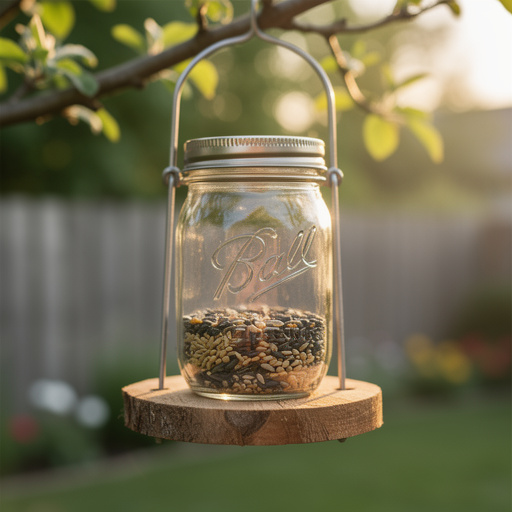
How to Make a Simple DIY Bird Feeder — Easy Step-by-Step Guide
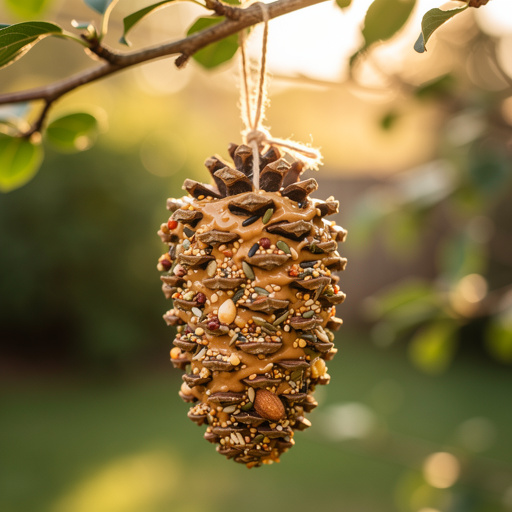
Create a delicious and easy DIY bird feeder using pinecones and peanut butter to attract feathered friends to your garden. This beginner-friendly activity is perfect for families and young children, offering a wonderful way to connect with nature.
Quick answer
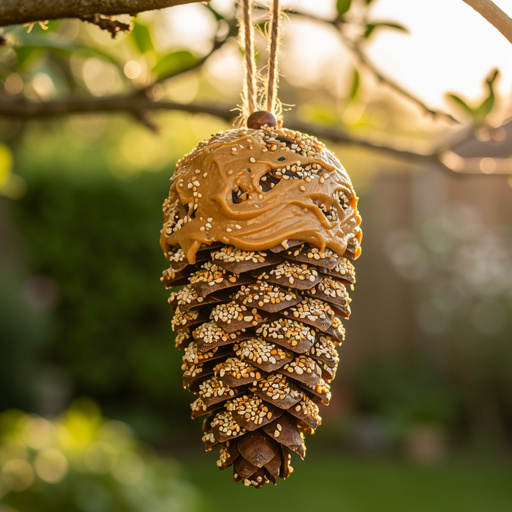
To make a DIY bird feeder, you need pinecones, peanut butter, birdseed, and string, taking about 15 minutes. Start by smearing peanut butter onto a pinecone. This beginner-friendly activity has 6 steps and is perfect for families and young children.
What you need
Shop on Amazon · As an Amazon Associate we earn from qualifying purchases. Links above are affiliate links — we may earn a commission at no extra cost to you.
Welcome to the delightful world of backyard bird feeding! This simple DIY pinecone peanut butter feeder is more than just a craft; it's an invitation to nature's most charming visitors. It’s an incredibly easy project, making it perfect for little hands and budding nature enthusiasts. Imagine the joy of watching colorful birds flock to your garden, drawn by a treat you made yourself! This feeder requires minimal materials and time, offering a rewarding experience for crafters of all ages and a vital food source for our feathered friends, especially during leaner months.
On this page
Step-by-Step Instructions
- 1
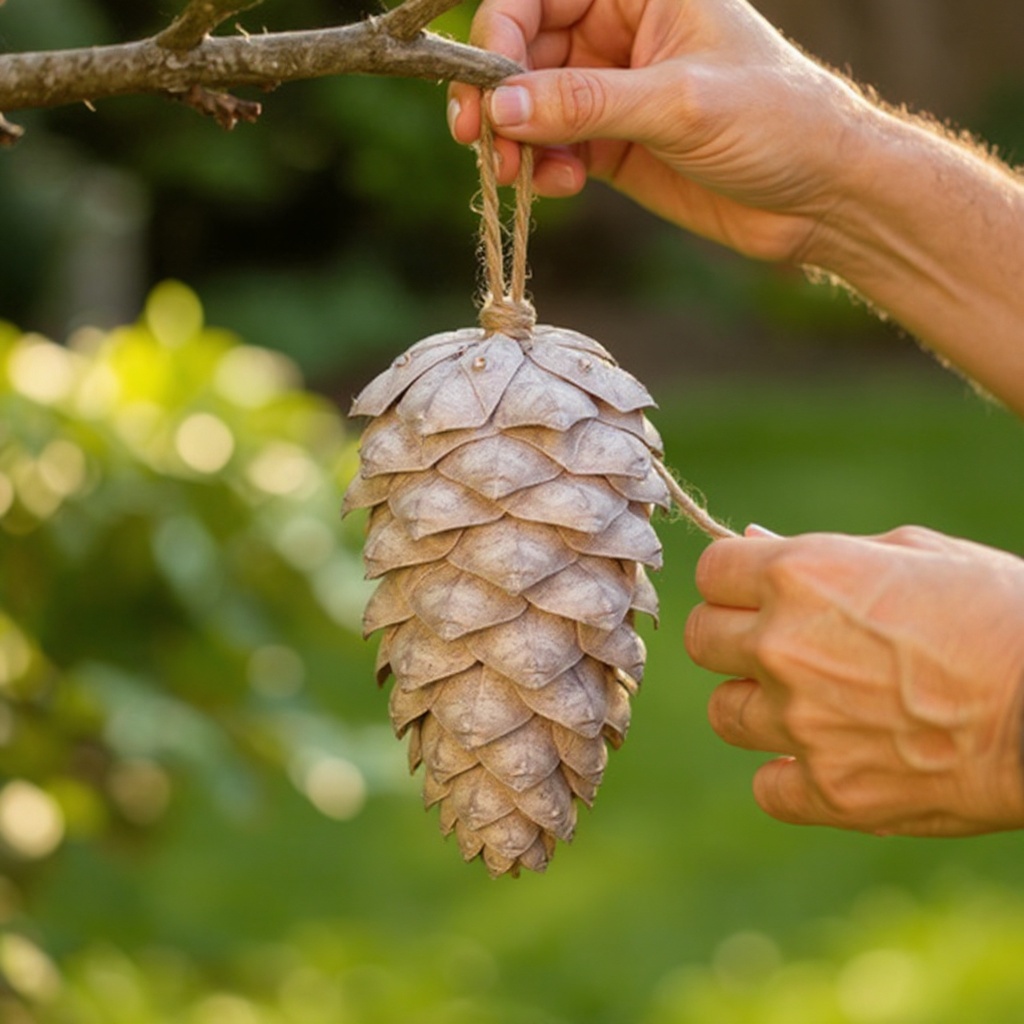
Begin by preparing your pinecone. If your pinecone is closed, you can gently open it by placing it in a warm, dry place for a day or two, or by carefully spreading the scales with your fingers. Ensure it's free from any dirt or loose debris before proceeding.
- 2
Next, prepare your hanging mechanism. Take one end of your sturdy twine or string and tie it securely around the top of the pinecone, near the stem. Create a strong loop that will be used to hang the feeder from a branch or hook. Make sure the knot is tight so it doesn't slip.
- 3
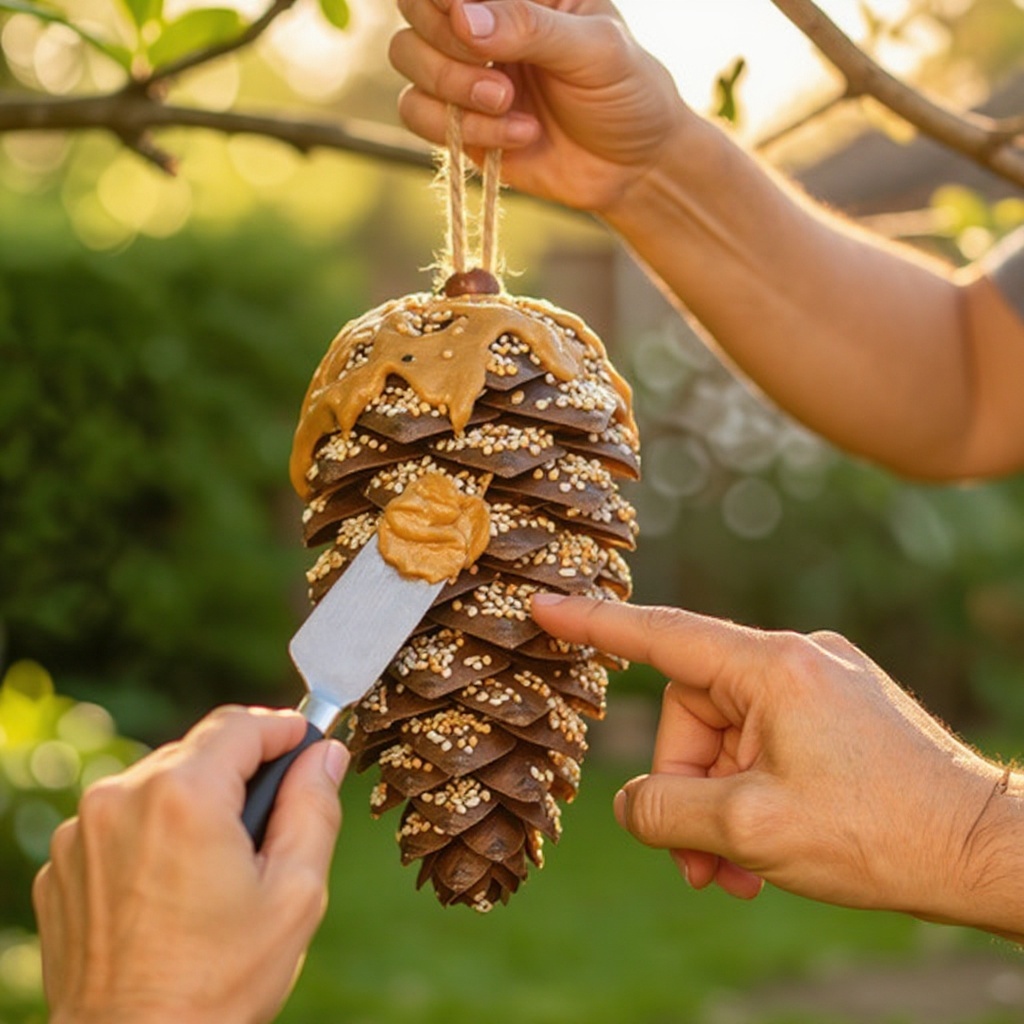
Now, it's time to apply the peanut butter. Using a butter knife or spatula, spread a generous and even layer of creamy peanut butter all over the surface of the pinecone. Don't be shy; really work it into all the nooks and crannies between the scales to provide ample surface area for the seeds to adhere.
- 4
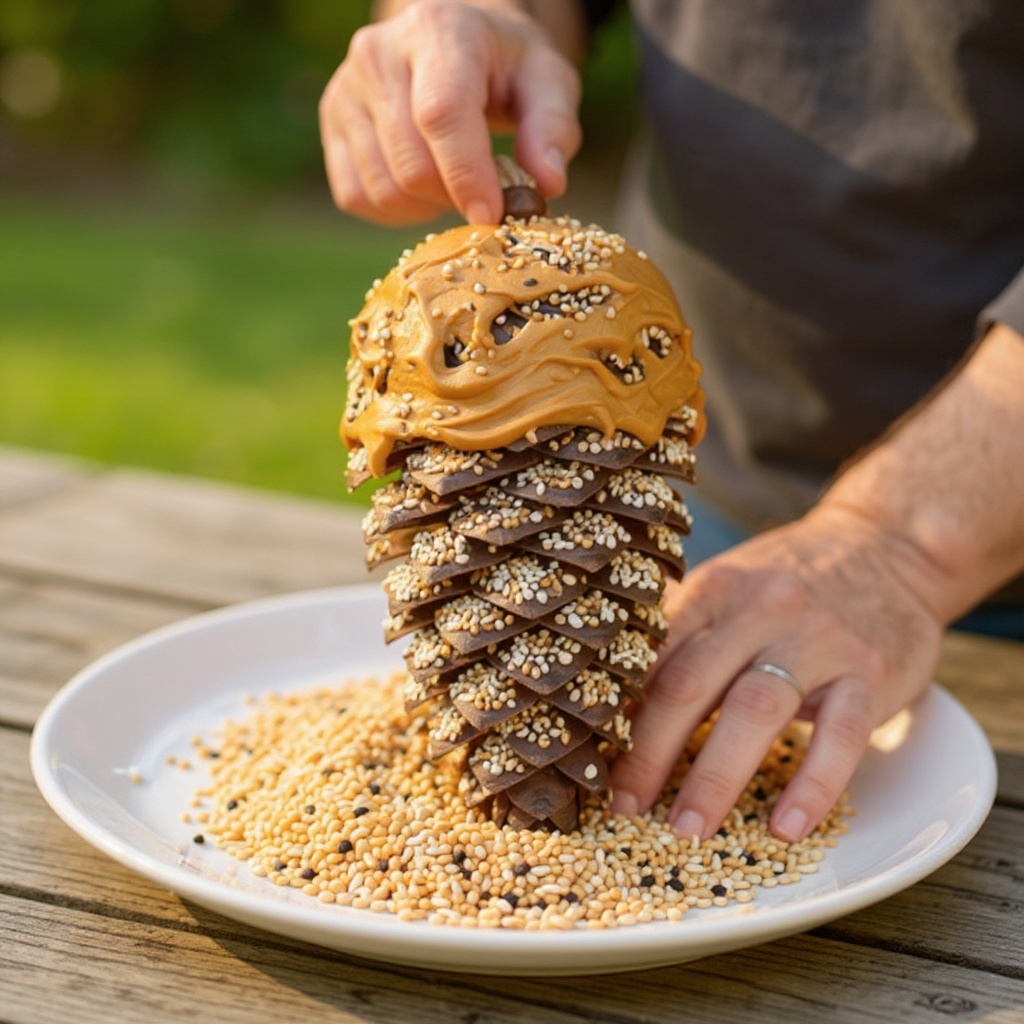
Prepare your birdseed coating. Pour the mixed birdseed onto a shallow plate or into a shallow bowl. This will create a convenient station for rolling your peanut butter-covered pinecone.
- 5
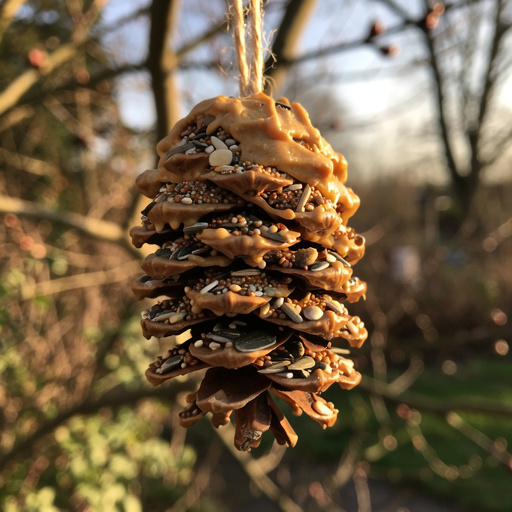
Coat the pinecone with birdseed. Gently roll the peanut butter-covered pinecone in the birdseed, pressing lightly as you go. This action encourages the seeds to stick firmly to the peanut butter, creating a delicious and nutritious coating for the birds.
- 6
Ensure complete coverage. Continue rolling and pressing the pinecone into the birdseed until the entire surface is thoroughly coated. You want to create a textured, seed-covered masterpiece that will be irresistible to your feathered visitors.
- 7
Inspect for bare spots. Take a moment to look over your feeder and add more birdseed to any areas that might have been missed. A well-coated feeder will provide more food and last longer.
- 8
Allow for initial setting (optional but recommended). For best results, you can let the feeder sit for about 10-15 minutes after coating to allow the peanut butter to slightly firm up, helping the seeds adhere even better.
- 9
Final check of the hanging loop. Give the twine loop a gentle tug to ensure it's secure and ready to hold the weight of the feeder and its eager visitors.
- 10
Select the perfect hanging spot. Choose a location in your yard that is visible to birds but also offers some protection from harsh weather and potential predators like cats. A sturdy tree branch or a shepherd's hook works wonderfully.
- 11
Hang your finished DIY bird feeder. Carefully hang your creation from your chosen spot, ensuring it is stable and accessible for birds of various sizes.
- 12
Observe and enjoy. Now comes the most rewarding part: sit back, relax, and watch as the birds discover their new, delicious dining spot!
Tips & Troubleshooting
- 1If your pinecone is closed, you can gently open it by placing it in a warm, dry place for a day or two. Alternatively, you can carefully use a hairdryer on a low setting to encourage the scales to open up, making it easier to spread the peanut butter.
- 2For a less messy experience, especially when crafting with children, you can place the birdseed in a large zip-top bag. Then, add the peanut butter-covered pinecone to the bag and shake gently, or roll it around inside to coat.
- 3Consider adding a few sunflower seeds or dried fruit pieces to the birdseed mix for extra appeal. These high-energy additions can attract a wider variety of birds and provide additional nutritional benefits.
- 4If peanut butter is not an option due to allergies or availability, suet or vegetable shortening can be used as a binder for the birdseed. These alternatives provide a good sticky base for the seeds to adhere to.
- 5To make your feeder even more appealing, try mixing in a small amount of finely chopped unsalted nuts, such as peanuts or almonds, into the birdseed. This adds extra protein and fat, which is especially beneficial during colder months.
- 6Ensure your peanut butter is unsalted and free from xylitol, as xylitol is highly toxic to birds. Natural peanut butter with minimal ingredients is the safest and most beneficial choice for your feathered guests.
- 7You can also add a few rolled oats or a sprinkle of cornmeal to the birdseed mix. These ingredients can help bind the seeds together and provide additional carbohydrates for the birds.
- 8For a longer-lasting feeder, especially in warmer climates, consider using a slightly firmer peanut butter or a blend of peanut butter and vegetable shortening. This can help prevent it from melting too quickly in the sun.
Related Activities You Might Enjoy
Frequently Asked Questions
What kind of peanut butter is best for a DIY bird feeder?
The best kind of peanut butter for a DIY bird feeder is creamy, unsalted peanut butter without any added sugar or artificial sweeteners. It's crucial to avoid peanut butter containing xylitol, as this artificial sweetener is highly toxic to birds and can be fatal. Natural peanut butter, which typically contains only peanuts and perhaps a little salt, is an excellent choice. Avoid chunky peanut butter as the larger pieces might not stick as well and could be harder for smaller birds to consume. Always double-check the ingredients list to ensure it's bird-safe.
How long will a DIY bird feeder made with peanut butter and pinecones last outside?
A DIY bird feeder made with peanut butter and pinecones will typically last a few days to a week, depending on several factors. The weather plays a significant role; rain can wash away the peanut butter and seeds, while intense heat can cause the peanut butter to melt and drip. The number and type of birds visiting the feeder also determine its lifespan – a popular feeder will be emptied much faster! To extend its life, try to hang it in a somewhat sheltered location. Regularly checking the feeder and replacing it when it becomes depleted or starts to look unappetizing is recommended for optimal bird nutrition.
Where is the best place to hang a DIY bird feeder?
The best place to hang your DIY bird feeder is in a location that is visible and accessible to birds, but also offers them a sense of security. Hanging it from a sturdy tree branch or a shepherd's hook in your garden is ideal. It's important to place it where birds have a clear line of sight to spot predators like cats, but also where there are nearby shrubs or trees for them to quickly escape to if needed. Avoid hanging it too close to windows to prevent collisions. A spot that offers some protection from strong winds and heavy rain will also help your feeder last longer.
Can I make a DIY bird feeder without peanut butter?
Yes, absolutely! You can make a DIY bird feeder without peanut butter by using other suitable binders. Suet, which is rendered animal fat, is a classic and highly effective binder for birdseed, especially in colder weather. Vegetable shortening is another readily available option that works well. For a completely different approach, you can create a paste using rolled oats mixed with a little water or unsweetened applesauce. These alternatives provide a sticky base for the birdseed, ensuring it adheres to the pinecone or other natural materials you choose to use.
What other natural materials can I use instead of a pinecone?
While pinecones are a classic choice, you can certainly use other natural materials to create your DIY bird feeder. Sturdy, hollowed-out gourds make excellent feeders, providing a larger surface area for seeds. Large, dry leaves, such as oak or maple, can be folded and secured to create pockets for the seed mixture. Even sturdy cardboard tubes, like those from paper towels or toilet paper, can be used as a base, though they will be less durable outdoors. The key is to find a material that can hold the binder and seeds, and that birds can easily perch on.
How can I make this bird feeder more attractive to specific types of birds?
To attract specific types of birds, you can tailor the birdseed mix and any added ingredients. For instance, finches and chickadees are particularly fond of black oil sunflower seeds. Blue jays and cardinals enjoy larger seeds and pieces of dried fruit like raisins or cranberries. Woodpeckers might be drawn to feeders with added suet or peanut pieces. You can also experiment with different binders; some birds are more attracted to the richness of suet than peanut butter. Observing the birds in your area and researching their dietary preferences will help you create a custom blend that appeals to your desired visitors.
What Next?
Congratulations on creating your very own pinecone peanut butter bird feeder! This project is a fantastic gateway to a more engaging relationship with your local wildlife. For variations, consider mixing in dried cranberries or chopped unsalted nuts for added variety and nutrition. Once your feeder is enjoyed, you can easily create more, perhaps even experimenting with different natural binders or decorative elements. Store any leftover birdseed in an airtight container to maintain freshness. Remember to clean your feeders periodically to prevent the spread of disease among birds. Enjoy the symphony of chirps and the vibrant flutter of wings your new feeder will bring!
Free: 10 Paper Crafts Anyone Can Make in 5 Minutes
Get our beginner guide + new craft ideas weekly.
No spam. Unsubscribe anytime.
Did you complete this activity?
Related