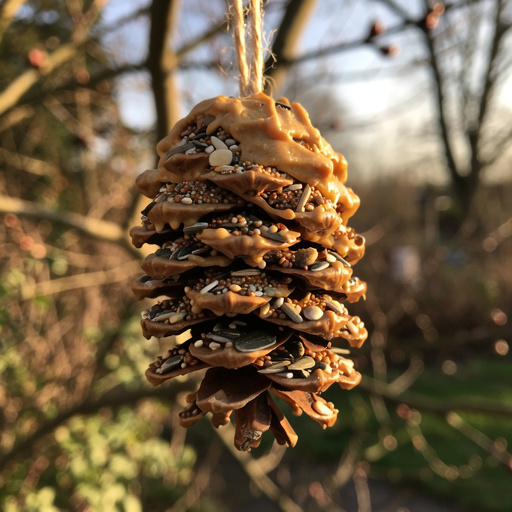
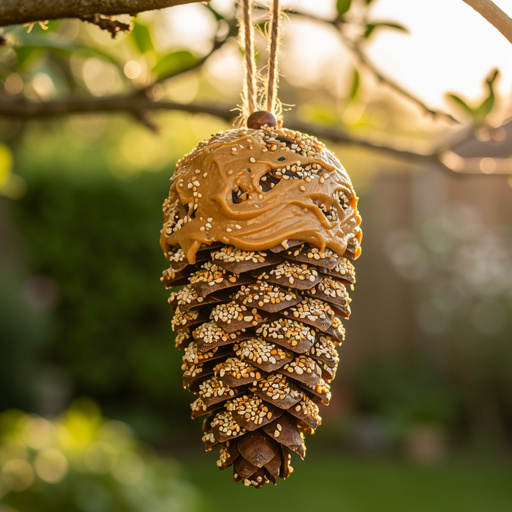
How to Make a Simple Pinecone Bird Feeder — Easy Step-by-Step Guide
Create a delightful pinecone bird feeder to attract feathered friends to your backyard. This easy craft uses natural materials and is perfect for a fun afternoon outdoors. Learn how to make a simple pinecone bird feeder with our step-by-step guide, perfect for all ages.

Quick answer
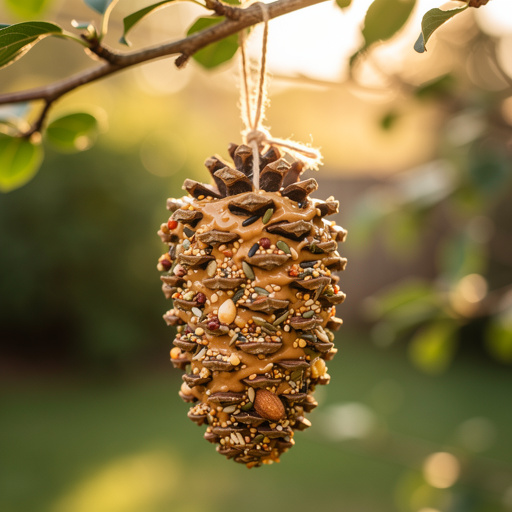
To make a pinecone bird feeder, you need pinecones, peanut butter, birdseed, and string, taking about 20 minutes. Start by coating the pinecone in peanut butter. This beginner-friendly activity has 7 steps and is perfect for families with young children.
What you need
Shop on Amazon · As an Amazon Associate we earn from qualifying purchases. Links above are affiliate links — we may earn a commission at no extra cost to you.
Welcome the vibrant world of birds into your own backyard with this incredibly simple yet rewarding pinecone bird feeder craft. This project is more than just a DIY activity; it's an opportunity to connect with nature, observe wildlife, and provide a much-needed food source for our feathered friends, especially during leaner months. Its simplicity makes it an ideal project for young children, fostering a love for nature and hands-on creativity, while also offering a delightful way for adults to de-stress and engage with the outdoors. Get ready to transform a humble pinecone into a beacon for beautiful birds!
On this page
Step-by-Step Instructions
- 1
Gather all your materials in a clear workspace. Lay down wax paper or newspaper to protect your surface from peanut butter and seeds, making cleanup a breeze. Ensure you have everything within easy reach before you begin.
- 2
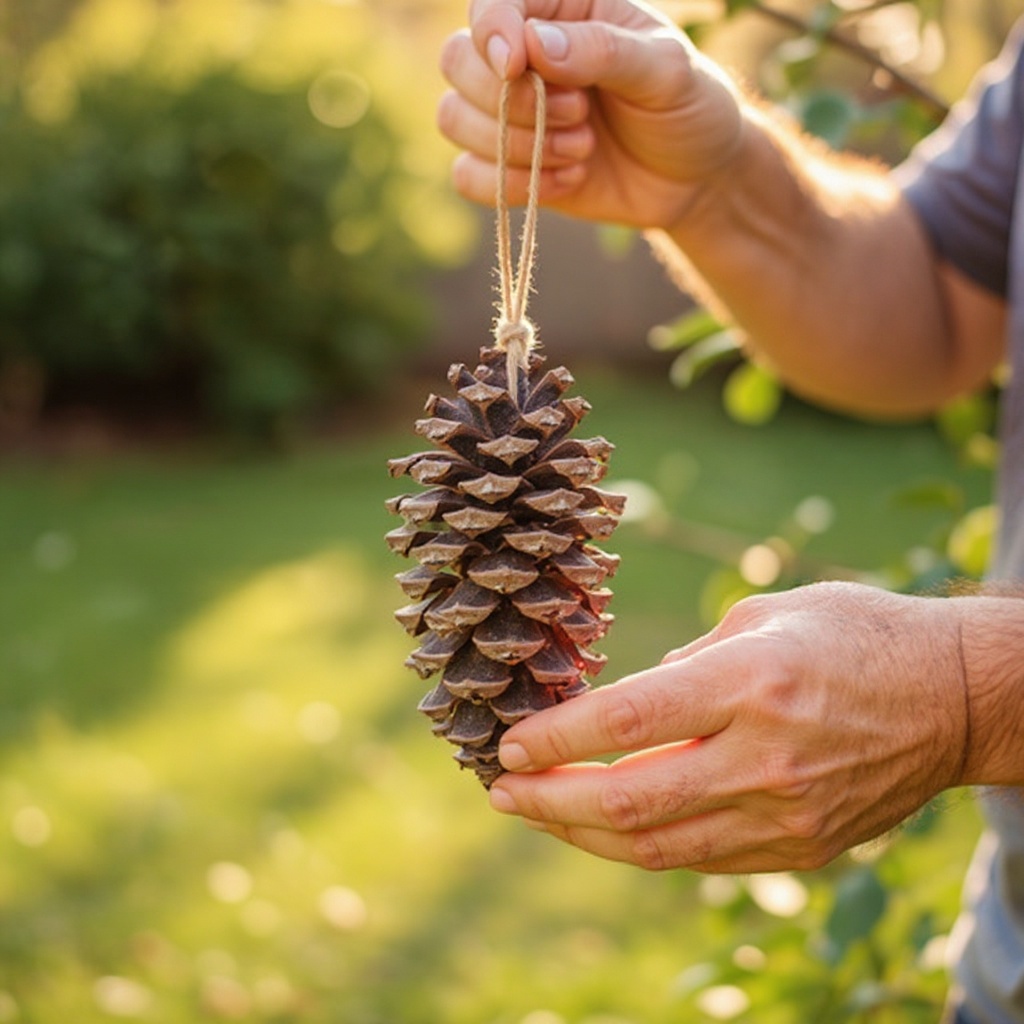
Prepare your pinecone for hanging. Take your sturdy string or twine and tie one end securely around the top of the pinecone, near the stem or the uppermost scales. Create a loop by tying the other end, ensuring it's strong enough to support the weight of the feeder and any visiting birds.
- 3
Gently warm the peanut butter if needed. If your peanut butter is very stiff and difficult to spread, place it in a small microwave-safe bowl and heat for just 5-10 seconds on low power, stirring well. This will make it more pliable without making it runny. Be cautious not to overheat it.
- 4
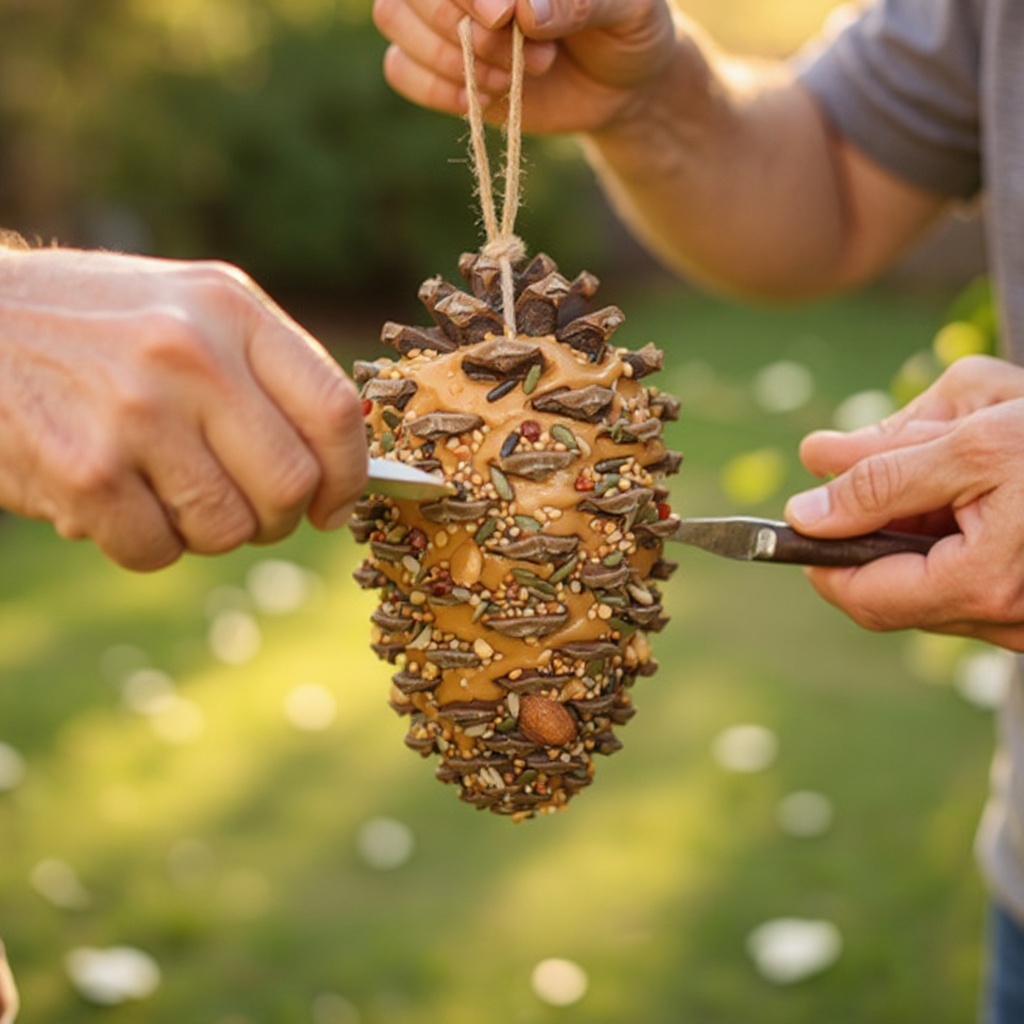
Spread the peanut butter evenly over the entire surface of the pinecone. Using a butter knife or spatula, apply a generous layer of peanut butter, working it into all the nooks and crannies between the pinecone scales. Aim for a consistent coating, ensuring there are no large bare spots.
- 5
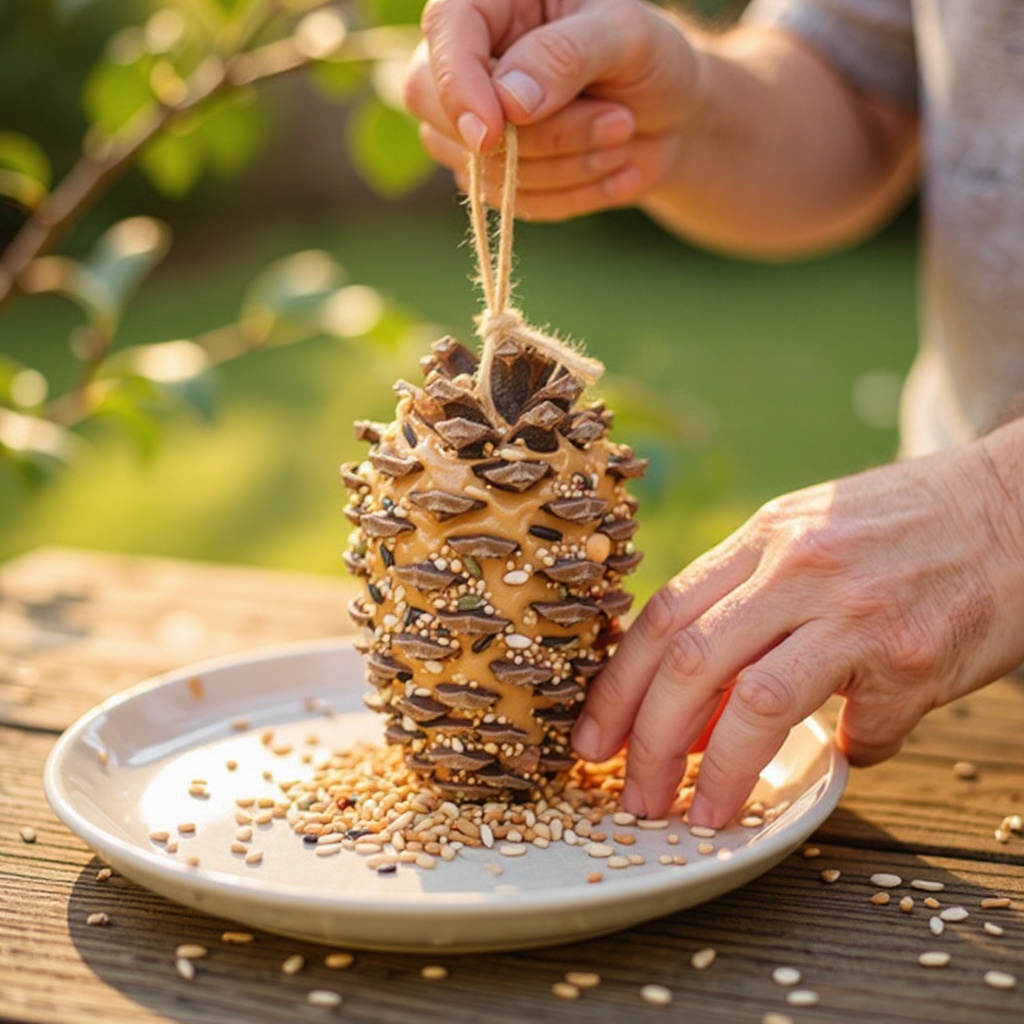
Prepare your birdseed coating station. Pour the mixed birdseed onto the shallow plate or tray, spreading it out into an even layer. This will allow you to easily roll the peanut butter-covered pinecone in the seeds.
- 6
Begin coating the pinecone with birdseed. Carefully roll the peanut butter-covered pinecone in the birdseed, pressing gently as you go. The peanut butter will act as the adhesive, helping the seeds to stick firmly to the pinecone.
- 7
Ensure thorough coverage. Continue rolling and pressing the pinecone, rotating it to ensure all sides are thoroughly coated in birdseed. You may need to add more seeds to your plate as you go to achieve a dense, attractive coating.
- 8
Add extra seeds to bare spots. If you notice any areas where the peanut butter is still visible or the seeds haven't adhered well, add a small dab more peanut butter to those spots and re-roll them in the birdseed until the pinecone is completely covered.
- 9
Inspect for secure seed adhesion. Gently tap the pinecone to dislodge any loose seeds. If a significant amount falls off, you may need to add a bit more peanut butter to those areas and roll them again. The goal is for the seeds to stick firmly.
- 10
Allow the feeder to set slightly. Before hanging, let the pinecone feeder sit for a few minutes. This allows the peanut butter to firm up slightly, helping the seeds to adhere even better and preventing them from falling off too quickly when hung.
- 11
Select the perfect hanging location. Choose a tree branch, shepherd's hook, or sturdy outdoor hook that is visible from a window so you can enjoy watching the birds. Ensure the location is relatively safe from predators like cats.
- 12
Hang your finished pinecone bird feeder. Carefully hang the feeder using the pre-made loop, ensuring it is securely attached and will not fall. Position it at a height that is accessible for birds but also allows for easy refilling or removal.
- 13
Observe and enjoy the visiting birds. Once hung, be patient! It may take a little time for birds to discover their new treat. Sit back, relax, and enjoy watching the various species that come to visit your homemade feeder.
- 14
Monitor and replenish as needed. Keep an eye on your feeder. When the seed starts to run low or the pinecone looks depleted, it's time to make a new one or refresh the existing one if possible. This ensures a continuous food source for your avian visitors.
Tips & Troubleshooting
- 1If peanut butter is too stiff, warm it slightly for a few seconds in the microwave (adult supervision required). This makes it easier to spread and ensures a better coating of seeds. Be very careful not to overheat it, as this can make it too runny and difficult to work with.
- 2For a variation, mix in a few dried cranberries or sunflower seeds into the birdseed. This adds extra nutritional value and visual appeal, potentially attracting a wider variety of bird species. Ensure any additions are small enough to stick to the peanut butter.
- 3If the birdseed isn't sticking well, add a little more peanut butter to any bare spots and re-roll. Sometimes, uneven application of peanut butter or too much pressure can lead to seeds falling off. A little extra adhesive can solve this problem.
- 4Ensure the string is tied very securely so the feeder doesn't fall. A loose knot could lead to the entire feeder dropping, potentially losing all the seed and becoming a mess. Double-check your knot for strength and stability.
- 5Place the feeder in a location visible from a window so you can enjoy watching the birds. This allows for easy observation and enjoyment of your feathered visitors without disturbing them. It also makes it easier to monitor the feeder's status.
- 6Consider using unsalted peanut butter to avoid any potential harm to birds. While birds can tolerate some salt, it's always best to err on the side of caution and opt for natural, unsalted varieties when preparing food for wildlife.
- 7If you live in an area with squirrels, consider hanging the feeder on a thin branch that squirrels find difficult to access, or use a squirrel baffle on the pole if you're using one. Squirrels can quickly devour a bird feeder.
- 8Cleanliness is key for bird health. If you notice mold or spoilage on the feeder, it's best to remove it and create a new one. Regularly cleaning feeders (though this type is disposable) helps prevent the spread of diseases among birds.
Related Activities You Might Enjoy
Frequently Asked Questions
What kind of pinecones are best for bird feeders?
Look for large, dry, open pinecones. Avoid wet or sticky ones, as they may be difficult to work with and could harbor mold. Ensure they are clean and free of debris before starting your craft; a quick brush or rinse and thorough drying will suffice. Pinecones that have already opened up their scales provide more surface area for peanut butter and seeds to adhere, creating a more effective feeder. The size of the pinecone will determine how much food it can hold and how long it will last.
Can I use crunchy peanut butter for this bird feeder craft?
Yes, crunchy peanut butter works well! The nuts add extra texture and can be appealing to some birds, providing them with additional protein and fat. Just ensure it doesn't contain xylitol, which is toxic to animals, including birds and dogs if they happen to get into it. The texture of crunchy peanut butter can make it easier for birds to peck at and consume the seeds, offering a more varied dining experience for them.
How long will a pinecone bird feeder last?
A pinecone bird feeder typically lasts for several days to a week, depending on weather conditions and how many birds visit. In dry, cool weather, it might last longer. However, in warm, humid conditions, the peanut butter can spoil or melt, and the seeds can become moldy, making it unappealing or even harmful to birds. It's best to replace it when it starts to look depleted, messy, or if you notice any signs of spoilage.
What other natural materials can I use instead of birdseed?
You can try using finely chopped nuts (unsalted, like peanuts, walnuts, or almonds), dried fruit pieces (like raisins or cranberries, chopped small), or even small seeds like sunflower seeds or millet. Just ensure they are safe for birds and small enough to stick to the peanut butter. Avoid anything that is too large or could be a choking hazard. You can also mix these with standard birdseed for a more varied and nutritious offering.
Where is the best place to hang a pinecone bird feeder?
The best place to hang your pinecone bird feeder is in a location that is easily visible from a window, allowing you to enjoy watching the birds without disturbing them. It should also be in a relatively safe spot, away from potential predators like cats. Hanging it from a tree branch, a shepherd's hook, or a sturdy outdoor hook works well. Ensure it's not too close to windows to prevent bird collisions, and consider placing it near natural cover like shrubs or trees where birds can retreat if they feel threatened.
Can I make these feeders in advance?
Yes, you can make these feeders in advance, but with a few considerations. It's best to store them in a cool, dry place, such as a refrigerator or a cool pantry, to prevent the peanut butter from becoming too soft or rancid. If you plan to make a batch, wrap each feeder individually in wax paper or a small plastic bag to keep them fresh. Avoid making them too far in advance, as the peanut butter can eventually lose its appeal or become stale.
Are there any safety concerns for birds when using peanut butter?
Generally, peanut butter is safe for birds in moderation, as it provides a good source of fat and protein. However, it's crucial to use unsalted, natural peanut butter without any added sugars or artificial sweeteners. Most importantly, ensure it does not contain xylitol, an artificial sweetener that is highly toxic to many animals, including birds. Also, avoid using overly sticky or oily peanut butter, as it can clog a bird's nostrils or make it difficult for them to eat. The key is moderation and using the right type of peanut butter.
What Next?
Congratulations on creating your very own pinecone bird feeder! This simple project is a fantastic gateway to more involved wildlife gardening. Consider making several feeders to hang in different locations, or try variations by adding suet pellets or dried fruit to the seed mix for a more diverse menu. Once your feeder is depleted, you can compost the pinecone and start fresh. For storage, if you make feeders in advance, keep them in a cool, dry place to prevent the peanut butter from going rancid. Enjoy the delightful spectacle of birds flocking to your handmade creation!
Free: 10 Paper Crafts Anyone Can Make in 5 Minutes
Get our beginner guide + new craft ideas weekly.
No spam. Unsubscribe anytime.
Did you complete this activity?