How to Make a Simple Bird Feeder Craft — Easy Step-by-Step Guide
Create a delightful, natural bird feeder using just a few common household items. This simple craft is perfect for little hands and brings feathered friends to your yard.

Quick answer
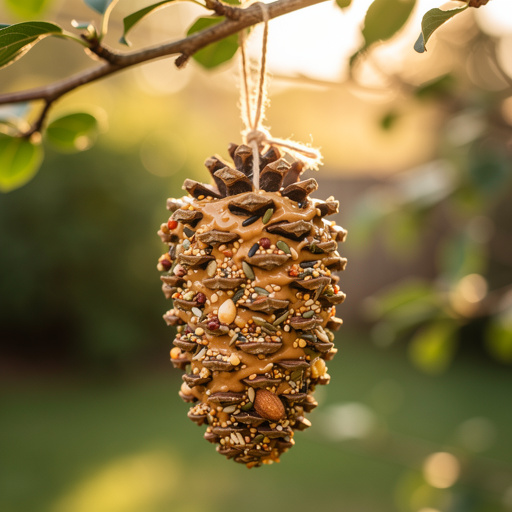
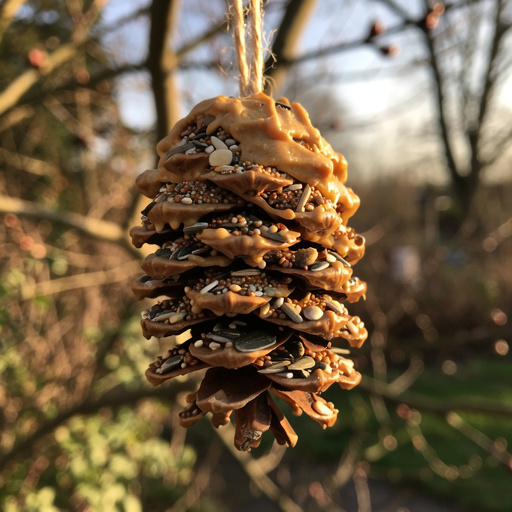
To make a simple bird feeder, you need pinecones, peanut butter, birdseed, and string, taking about 20 minutes. Start by tying string to a pinecone. This beginner-friendly activity has 6 steps and is perfect for families with young children.
What you need
Shop on Amazon · As an Amazon Associate we earn from qualifying purchases. Links above are affiliate links — we may earn a commission at no extra cost to you.
There's a special kind of magic in attracting wild birds to your own backyard, and this pinecone bird feeder craft is a wonderfully simple way to do just that. It's a project that connects children with nature, offering a hands-on experience that's both educational and incredibly rewarding. Using readily available materials, you can transform a humble pinecone into a delicious treat for your feathered visitors. This activity is perfect for a rainy afternoon, a nature study, or simply a fun way to spend quality time with your little ones, fostering a love for wildlife and the great outdoors.
On this page
Step-by-Step Instructions
- 1
Begin by preparing your pinecone. Ensure it is completely dry and free from any dirt, sap, or loose scales. Gently brush off any debris. If your pinecone is tightly closed, you can leave it to open naturally in a warm, dry place for a day or two, or carefully spread the scales apart with your fingers.
- 2
Next, prepare your hanging mechanism. Take one end of your sturdy string or twine and tie it securely around the top, wider part of the pinecone. Wrap it around the base of the scales a few times and tie a strong knot, creating a loop for hanging. Ensure the knot is tight enough that it won't slip off when the feeder is hung.
- 3
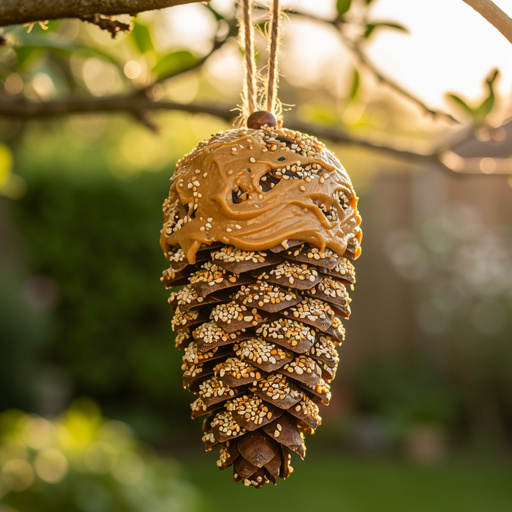
Now, it's time to apply the peanut butter. Take your butter knife or spatula and scoop a generous amount of creamy peanut butter. Begin spreading it all over the outside of the pinecone, paying close attention to getting the peanut butter into all the nooks and crannies between the scales. A good, thick layer will help the birdseed adhere well.
- 4
Once the pinecone is thoroughly coated in peanut butter, prepare your birdseed. Pour the birdseed onto a plate or into a shallow dish, spreading it out evenly. This will make it easier to roll the pinecone and ensure a good coating of seeds.
- 5
Gently roll the peanut butter-covered pinecone in the birdseed. Press lightly as you roll, encouraging the seeds to stick to the peanut butter. You want to create a dense coating of seeds all over the feeder.
- 6
Continue rolling and pressing the pinecone in the birdseed until the entire surface is well-coated. You may need to add more birdseed to your plate as you go. Ensure there are no bare spots where the peanut butter is visible.
- 7
Once the pinecone is completely covered in birdseed, gently shake off any excess loose seeds. You can then carefully add another thin layer of peanut butter to any sparse areas and re-roll them in the seed for an even fuller coating.
- 8
Your pinecone bird feeder is now ready to be hung! Find a suitable tree branch or hook outside, preferably in a location where you can easily observe the visiting birds from a window. Hang it at a height that is accessible for birds but also offers some protection from ground predators.
- 9
For optimal results, consider placing the feeder in a spot that offers some shelter from strong winds and direct, harsh sunlight. This will help keep the peanut butter from melting too quickly and the seeds from becoming waterlogged.
- 10
Observe your new bird feeder over the next few days. You might notice different types of birds visiting, depending on the seed mix you used and the local bird population. Enjoy the show!
- 11
If you're making multiple feeders, it's helpful to have a designated workspace covered with wax paper or newspaper. This will minimize the mess and make cleanup much easier, especially when little hands are involved.
- 12
Allow the peanut butter to firm up slightly before hanging, especially in warmer weather. This can be done by placing the feeder in the refrigerator for about 15-20 minutes after coating it with seed. This helps the seeds adhere even better.
- 13
When refilling or replacing feeders, ensure you clean the area around the hanging spot to prevent the buildup of old seed or debris, which can attract pests or spread disease.
- 14
Consider the time of year when hanging your feeders. During colder months, birds often rely more heavily on feeders for sustenance, so keeping them stocked can be particularly beneficial.
- 15
If you notice that squirrels are becoming a problem, try hanging the feeder on a thinner branch that they find difficult to navigate, or consider using a squirrel baffle above or below the feeder.
- 16
For a more decorative touch, you can tie a colorful ribbon or a small, bird-safe ornament to the hanging string. Just ensure it doesn't interfere with the birds' access to the feeder.
- 17
If you have very young children, you can pre-spread the peanut butter on the pinecones to make the seed-rolling step even easier and less messy for them.
- 18
Once the feeder is completely covered and the seeds are pressed in firmly, you can gently pat the feeder to help any loose seeds adhere better. This ensures a more robust seed coating.
- 19
After the feeder has been enjoyed by the birds, the pinecone itself can be left in nature to decompose, returning nutrients to the soil. It's a truly sustainable craft!
- 20
If you have any leftover peanut butter or birdseed, store them properly. Peanut butter should be kept in a cool, dry place, and birdseed should be stored in an airtight container to prevent spoilage and keep out moisture and pests.
Tips & Troubleshooting
- 1If the peanut butter is too stiff and difficult to spread, you can warm it slightly for a few seconds in the microwave. Be sure to have adult supervision during this step, as peanut butter can get hot very quickly and should only be warmed briefly to achieve a spreadable consistency.
- 2For a nut-free option that is safe for birds, consider using suet or vegetable shortening instead of peanut butter. These alternatives provide a good binder for the birdseed and are often enjoyed by a variety of bird species.
- 3Experiment with different types of birdseed to attract a wider variety of birds to your feeder. Look for blends that include sunflower seeds, millet, nyjer seed, and cracked corn, as these are popular with many common backyard birds.
- 4If the birdseed isn't sticking well to the peanut butter, try pressing it on more firmly or adding another thin layer of peanut butter and re-rolling the pinecone. Ensuring a good, even coating of peanut butter is key to successful seed adhesion.
- 5Hang the feeder at least 5 feet off the ground to deter squirrels and other ground-dwelling predators. If squirrels are still a persistent problem, consider adding a squirrel baffle above or below the feeder to make it more difficult for them to reach.
- 6To make the feeder even more appealing, you can mix in a small amount of dried fruit or unsalted nuts (like chopped peanuts, if not concerned about nut allergies in birds) into the birdseed before rolling the pinecone. This can attract a wider range of species.
- 7If you live in an area with very hot summers, the peanut butter might melt and drip. In such cases, using vegetable shortening or a suet-based mixture might be a more stable option for your bird feeder.
- 8Cleanliness is important for bird health. When you notice the feeder is empty or becoming soiled, take it down, clean it thoroughly with soap and water, and allow it to dry completely before refilling. This prevents the spread of diseases among birds.
Related Activities You Might Enjoy
Frequently Asked Questions
What are the easiest bird feeders to make?
Pinecone bird feeders are among the easiest, requiring only a few simple ingredients and minimal steps. They're a fantastic beginner craft for families looking for screen-free activities. The process involves coating a pinecone with peanut butter and rolling it in birdseed, a task that even very young children can participate in with some assistance. This natural feeder is not only simple to assemble but also provides a valuable food source for local birds, making it an enjoyable and educational project for all ages.
What kind of peanut butter should I use for bird feeders?
Creamy, plain peanut butter is best. Avoid chunky varieties as the nuts can be too large for smaller birds and may pose a choking hazard. Crucially, ensure the peanut butter does not contain xylitol, which is a sweetener that is highly toxic to birds and can be fatal. Opt for natural peanut butter with minimal ingredients, and always check the label to confirm it's xylitol-free. Unsalted varieties are also preferable to avoid excess sodium intake for the birds.
How long do homemade bird feeders last?
Homemade pinecone feeders typically last until the birds eat all the seed, usually a few days to a week depending on bird activity and weather. They are meant to be a temporary treat rather than a long-term feeding solution. In very hot or rainy weather, the peanut butter can degrade or wash away, reducing the feeder's lifespan. It's best to replace them regularly to ensure birds have access to fresh, appealing food and to prevent any potential spoilage or mold growth.
Can I make bird feeders without peanut butter?
Yes! You can use suet, vegetable shortening, or even a mixture of lard and cornmeal as a binder for birdseed if you need a nut-free option or want to try something different. Suet is a rendered animal fat that is a favorite of many birds, especially woodpeckers and chickadees. Vegetable shortening is a good plant-based alternative that holds seeds well. A mixture of lard and cornmeal can also create a firm, seed-holding paste. These alternatives offer similar benefits to peanut butter in providing an energy-rich food source for birds.
What are the benefits of making pinecone bird feeders?
Making pinecone bird feeders offers numerous benefits, both for the birds and for the crafters. For birds, it provides a readily accessible and nutritious food source, especially during colder months when natural food is scarce. For crafters, especially children, it's an excellent way to connect with nature, learn about local wildlife, and develop fine motor skills. It's a simple, eco-friendly project that uses recycled materials and encourages observation of the natural world. Plus, the joy of seeing birds flock to a feeder you made yourself is incredibly rewarding.
Where is the best place to hang a pinecone bird feeder?
The best place to hang a pinecone bird feeder is in a location that is safe for birds and enjoyable for you to observe. Look for a tree branch or hook that is at least 5 feet off the ground to deter predators like cats and squirrels. Ideally, choose a spot that offers some shelter from harsh weather, such as strong winds or direct, intense sunlight, which can melt the peanut butter. Hanging it near a window allows for easy viewing without disturbing the birds, and proximity to shrubs or trees can provide birds with a safe place to perch and retreat if they feel threatened.
Can I use natural peanut butter for my bird feeders?
Yes, natural peanut butter is an excellent choice for making pinecone bird feeders. Natural peanut butter typically contains just peanuts and possibly a little salt, making it a healthier option for birds compared to conventional peanut butter which often contains added sugars and oils. As mentioned before, the most critical factor is to ensure that the peanut butter does not contain xylitol, as this artificial sweetener is highly toxic to birds. Always check the ingredient list to confirm it's xylitol-free and unsalted for the birds' well-being.
What Next?
Once your pinecone bird feeders are ready, hang them in a safe and visible spot where you can enjoy watching the birds flock to them. Consider creating a few feeders to hang at different heights or in various locations to attract a wider array of species. You can also get creative with variations, perhaps adding a sprinkle of dried berries or sunflower seeds to the peanut butter before rolling in the birdseed for an extra special treat. This project is a fantastic stepping stone to more involved bird-friendly gardening or crafting. Store any leftover peanut butter and birdseed in airtight containers for future crafting sessions.
Free: 10 Paper Crafts Anyone Can Make in 5 Minutes
Get our beginner guide + new craft ideas weekly.
No spam. Unsubscribe anytime.
Did you complete this activity?