How to Make Baking Soda Fizzing Paint — Easy Step-by-Step Guide
Discover the magic of baking soda fizzing paint! This simple science experiment transforms ordinary paint into a bubbly, textured masterpiece. It's a fantastic way to engage young minds with science and art simultaneously, offering a delightful sensory experience that goes beyond traditional painting.

Quick answer
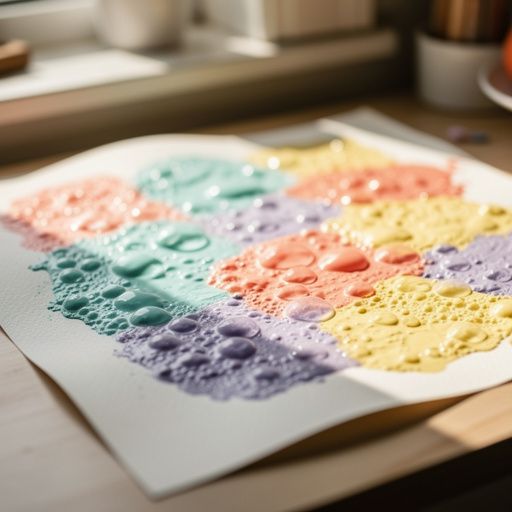
To make baking soda fizzing paint, you need baking soda, water, food coloring, and paintbrushes, taking about 15 minutes. Start by mixing baking soda and water to form a paste, then add food coloring. This beginner-friendly activity has 7 core steps and can be expanded with intermediate preparation and finishing touches, making it perfect for young artists aged 4+.
What you need
Shop on Amazon · As an Amazon Associate we earn from qualifying purchases. Links above are affiliate links — we may earn a commission at no extra cost to you.
Unleash a world of bubbly creativity with this exciting baking soda fizzing paint project! More than just a craft, it's a captivating science experiment that brings art to life with a delightful fizzing reaction. Perfect for curious minds aged 4 and up, this activity transforms simple household ingredients into a textured, sensory painting experience. It’s an engaging way to explore basic chemistry while creating unique, visually interesting artwork that kids will be proud to display.
On this page
Step-by-Step Instructions
- 1
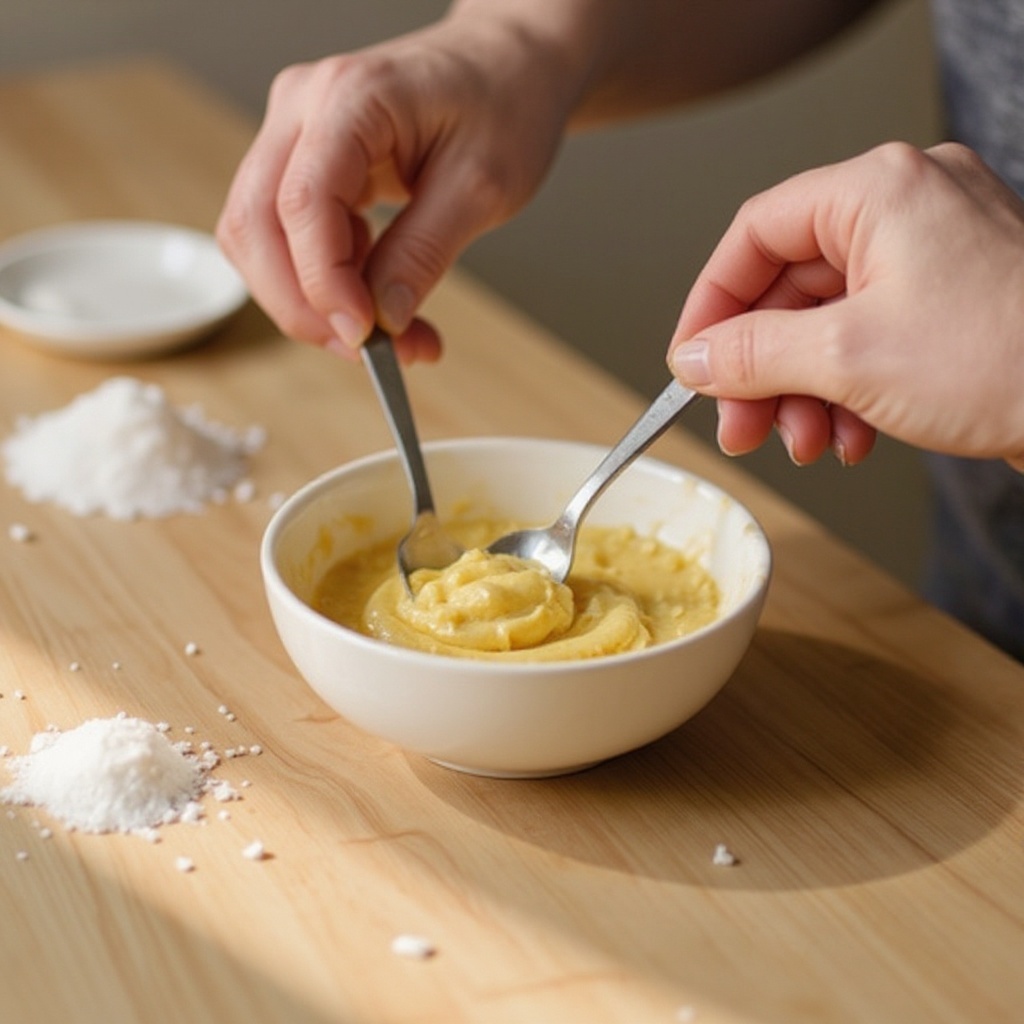
In a small bowl, combine 1/4 cup baking soda with 2 tablespoons of water. Stir until it forms a thick, paste-like consistency. You're aiming for a texture similar to thick pancake batter or toothpaste, where the baking soda is fully incorporated and there are no dry clumps remaining. Ensure you achieve a smooth paste before proceeding to the next step.
- 2
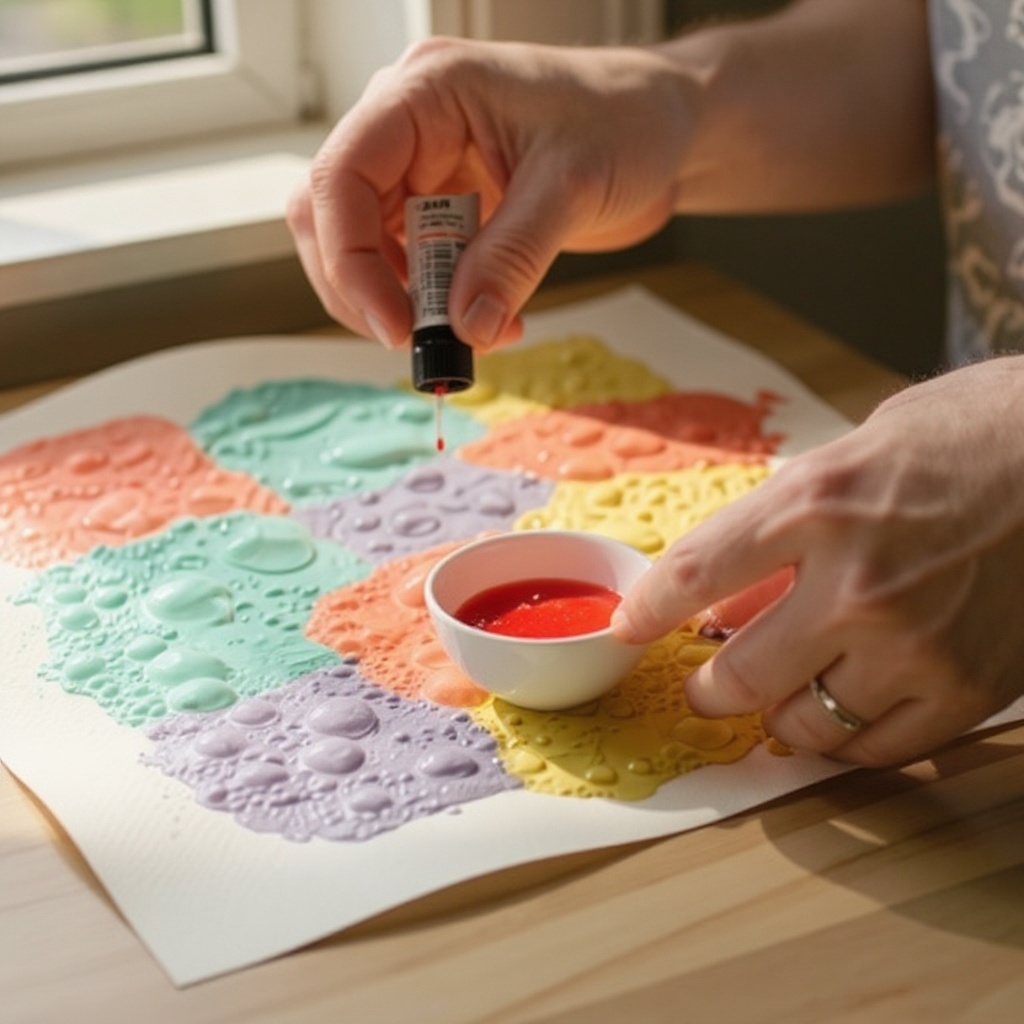
Add a few drops of your chosen food coloring to the paste and mix thoroughly until the color is evenly distributed. Start with a few drops and add more if you desire a more intense hue, ensuring the color is consistent throughout the paste. Be mindful that the color may lighten slightly as it dries.
- 3
Repeat steps 1 and 2 in separate bowls for each color you want to create. This ensures that your colors remain distinct and vibrant, and allows you to prepare a palette of different fizzy paints. Aim for at least 3-4 different colors to create a visually interesting piece.
- 4
Prepare your workspace by laying down newspaper or a plastic tablecloth to protect surfaces from any potential spills or drips. This is especially important when working with young children who may be more prone to making a mess. Consider having aprons or old t-shirts ready for the artists.
- 5
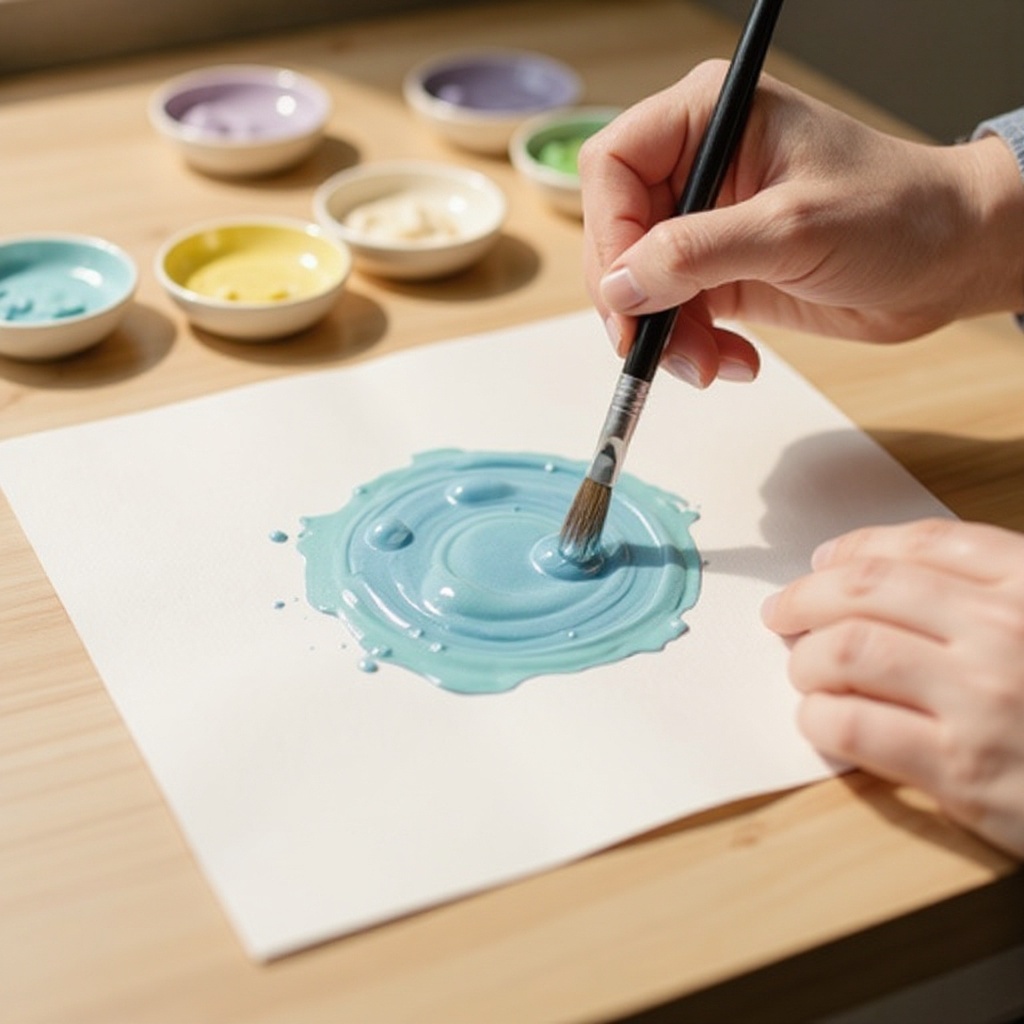
Once your fizzy paints are ready, dip a paintbrush into one of the colors. Ensure the brush is adequately loaded with the paste, but avoid overloading it to prevent excessive dripping. For thicker applications, a sturdier brush will work best.
- 6
Paint your design onto the white paper or cardstock, just like you would with regular paint. Apply the paint with gentle strokes, allowing the textured paste to spread across the surface. You can create bold strokes or delicate lines depending on the brush and pressure used.
- 7
As you paint, you'll notice the mixture start to fizz and bubble slightly as it reacts with the carbon dioxide in the air and any trace amounts of acid present. This is the magical part where science meets art! The initial fizzing is subtle but indicative of the chemical reaction at play.
- 8
Continue painting with your different colors until your artwork is complete. Don't be afraid to layer colors or create interesting patterns, as the fizzing effect can add unique dimensions to your design. You can also use the back of a spoon to create textured patterns.
- 9
Allow your artwork to dry completely. This may take a bit longer than regular paint due to the thicker consistency of the baking soda mixture. Place the artwork in a well-ventilated area to speed up the drying process.
- 10
Once the paint is mostly dry, you can optionally add a touch of vinegar to specific areas for a more vigorous secondary fizzing reaction. This step is best done with adult supervision and can be a fun surprise element, creating dramatic bubbling effects. Use a dropper or a small spoon to apply the vinegar precisely.
- 11
Observe the fascinating textures and patterns that develop as the paint dries and the fizzing subsides. The dried paint will have a slightly raised, bubbly appearance, creating a unique tactile and visual quality to your artwork.
- 12
For an extra layer of texture and visual interest, consider adding glitter to your paint mixture before applying it to the paper. Stir the glitter in thoroughly to ensure it's evenly distributed throughout the paste.
- 13
If you desire a smoother, more paint-like consistency, you can add a small amount of white craft glue (PVA) to your baking soda and water mixture. Start with a tablespoon of glue per cup of baking soda and adjust as needed, mixing until you achieve a smooth, spreadable texture.
- 14
To create a thicker, dough-like paint, incorporate a tablespoon or two of cornstarch into the baking soda and water mixture. This will result in a paint that dries with a unique matte, slightly raised texture, offering a different sensory experience.
- 15
For more controlled application and finer details, transfer some of your prepared fizzy paint into small squeeze bottles. This allows for more precise lines and patterns, and can be particularly engaging for older children who want to experiment with different application techniques.
- 16
If you're working with very young children, consider pre-mixing the baking soda and water paste for them to avoid any potential mess. Then, they can focus on adding the food coloring and the fun of painting.
Tips & Troubleshooting
- 1If your paint mixture is too dry, add a tiny bit more water, a teaspoon at a time, until it reaches a spreadable paste consistency. Conversely, if it's too watery, add a bit more baking soda to thicken it up, ensuring you maintain the desired paste-like texture. The goal is a consistency that holds its shape but is still spreadable with a brush.
- 2For a more vibrant fizz, try adding a drop of vinegar to your painted design after it's mostly dry. This will create a secondary, more vigorous reaction, producing a satisfying bubbly spectacle that can be quite exciting for kids. Be prepared for a more immediate and pronounced fizzing effect.
- 3Experiment with different ratios of baking soda to water to see how it affects the texture and fizz. A thicker paste will create a more pronounced bubbly texture, while a slightly thinner paste might spread more easily and produce a subtler fizz. Finding the perfect balance is part of the fun.
- 4This paint is best used immediately after mixing for the most active fizz. The chemical reaction that causes the fizzing is most potent when the ingredients are freshly combined. If you need to store it, keep it in an airtight container, but be aware the fizzing power may diminish over time. It's ideal to mix colors as you need them.
- 5Consider using gel food coloring for more intense and concentrated colors. Liquid food coloring can sometimes make the mixture too thin, so adjust the water content accordingly if you opt for gel. Gel colors also tend to be more vibrant and less likely to dilute the paste.
- 6Add glitter to your baking soda paint mixture before painting for an extra touch of sparkle and visual interest. This can elevate your artwork and make it even more captivating, especially for younger children who love all things shiny. Fine glitter works best for even distribution.
- 7For a different texture, try using a whisk to incorporate the water into the baking soda. This can create a slightly airier paste that might lead to a different kind of fizzing effect, potentially producing lighter, more delicate bubbles. Ensure all lumps are removed for a smooth consistency.
- 8If you want to create a smoother finish with less pronounced fizzing, you can try adding a small amount of white glue to the mixture. This will help bind the baking soda particles and create a more paint-like consistency that dries with a slight sheen, reducing the overall bubbliness.
Related Activities You Might Enjoy
Frequently Asked Questions
What makes baking soda paint fizz?
The fizzing in baking soda paint is a delightful chemical reaction. Baking soda, scientifically known as sodium bicarbonate, is a base. When it comes into contact with carbon dioxide in the air and any trace amounts of acid (which can be present in the air or even in the water used), it undergoes a reaction. This reaction releases carbon dioxide gas, which manifests as the bubbles and fizzing you observe. It's a simple yet captivating demonstration of basic chemistry, turning a common household ingredient into an exciting art medium for children and adults alike. The presence of moisture is key to initiating this reaction.
Can I make baking soda paint without food coloring?
Absolutely! You can create wonderful baking soda paint without any food coloring, resulting in a beautiful white, textured artwork. If you're looking for color without artificial dyes, consider using natural alternatives. For instance, you can extract vibrant colors from fruits and vegetables like beet juice for pink/red, turmeric for yellow, or spinach for green. Simply blend a small amount of the fruit or vegetable with a tiny bit of water, strain the liquid, and use that colored liquid instead of food coloring in your baking soda paste. This offers a healthier and equally colorful option.
How long does baking soda paint take to dry?
The drying time for baking soda paint can vary depending on several factors, including the thickness of the paint applied, the humidity in the room, and the type of paper used. Generally, you can expect it to take anywhere from 30 minutes to an hour for the paint to dry completely. Thicker applications of the paste will naturally take longer to dry than thinner layers. It's best to let the artwork air dry completely in a well-ventilated area to ensure all the moisture evaporates and the textured finish is preserved.
Is baking soda paint safe for kids?
Yes, baking soda and water are generally considered safe for children to use in craft activities. Baking soda is a common household ingredient, and water is harmless. However, as with any craft project involving young children, adult supervision is always recommended. This ensures that children do not ingest the materials, even though they are non-toxic. It's also a good opportunity to teach them about the importance of washing hands after crafting and to handle materials responsibly.
Can I add other ingredients to baking soda paint for different effects?
Certainly! Experimenting with additional ingredients can lead to even more exciting artistic outcomes. Adding a small amount of white glue to the baking soda and water mixture can create a smoother, more paint-like consistency that dries with a slightly glossy finish. For a sparkly effect, incorporate fine glitter into the paste before painting. You can also try adding a bit of cornstarch to the mixture to create a thicker, more dough-like paint that dries with a unique matte texture. These additions can enhance the sensory experience and visual appeal of your artwork.
What kind of paper is best for baking soda fizzing paint?
For baking soda fizzing paint, it's best to use sturdy paper or cardstock. Because the paint mixture has a thicker, paste-like consistency and involves a liquid component, thinner papers can warp, wrinkle, or even tear. Cardstock or heavier drawing paper will provide a stable surface that can withstand the application of the paint and the drying process without becoming overly saturated or distorted. This will help your textured artwork maintain its shape and integrity.
Can I use gel food coloring instead of liquid?
Yes, gel food coloring is an excellent alternative to liquid food coloring for baking soda paint. Gel colors are more concentrated, meaning you'll need fewer drops to achieve a vibrant hue, and they are less likely to dilute the paint mixture. This can help maintain the desired paste-like consistency and ensure a more pronounced fizzing reaction. When using gel colors, start with a very small amount and gradually add more until you reach your desired color intensity, adjusting the water content if necessary.
What Next?
Once your fizzing paint masterpieces are dry, you'll be left with wonderfully textured artwork that tells a story of scientific discovery. Consider framing your creations or using them to decorate cards for friends and family. For variations, try adding different essential oils for a scented paint, or explore natural food colorings from fruits and vegetables for an eco-friendly twist. As a next step, explore other baking soda science experiments like volcano models or bath bombs to continue the fun!
Free: 10 Paper Crafts Anyone Can Make in 5 Minutes
Get our beginner guide + new craft ideas weekly.
No spam. Unsubscribe anytime.
Did you complete this activity?
Related
You might also like
Coffee Filter Marker Chromatography Art
Sparkly Borax Slime Fun
Cloud Dough Slime Creation
Super Fluffy Cloud Slime
Fluffy Glue Cloud Dough