How to Set Up a Wholesale Charm Bar Business — Your Personal Step-by-Step Guide
Thinking about turning your love for crafting into a business? Setting up a wholesale charm bar can be incredibly rewarding. I'll walk you through everything I learned, from finding those truly unique charms to creating displays that pop, and even how to handle those inevitable little hiccups.

Quick answer
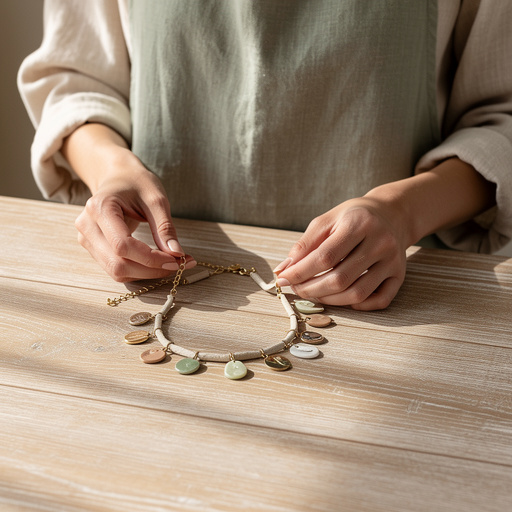
To get your charm bar going, you'll need a good selection of wholesale charms, some attractive display fixtures, essential jewelry findings like jump rings and clasps, packaging, and a way to track your sales. I found that starting with around $300-$500 for initial inventory and display pieces was a good ballpark figure, and plan for a solid day or two to get everything organized.
What you need
Shop on Amazon · As an Amazon Associate we earn from qualifying purchases. Links above are affiliate links — we may earn a commission at no extra cost to you.
You know that feeling when you find the perfect little charm that just speaks to you? Imagine sharing that joy with others and building a business around it! Setting up a wholesale charm bar has been such a rewarding venture for my family, offering a creative outlet that's totally screen-free. In this guide, I'm sharing all the insider tips and tricks I've picked up along the way – from discovering those hard-to-find charms to making your display irresistible. We'll go beyond just necklaces and explore how to create all sorts of fun jewelry. You'll learn how to keep your inventory in check, troubleshoot common issues (because let's be real, things don't always go perfectly!), and really make your charm bar shine. Whether you're a seasoned crafter or just starting out, this is your friendly roadmap to creating a dazzling charm bar business.
On this page
Step-by-Step Instructions
- 1
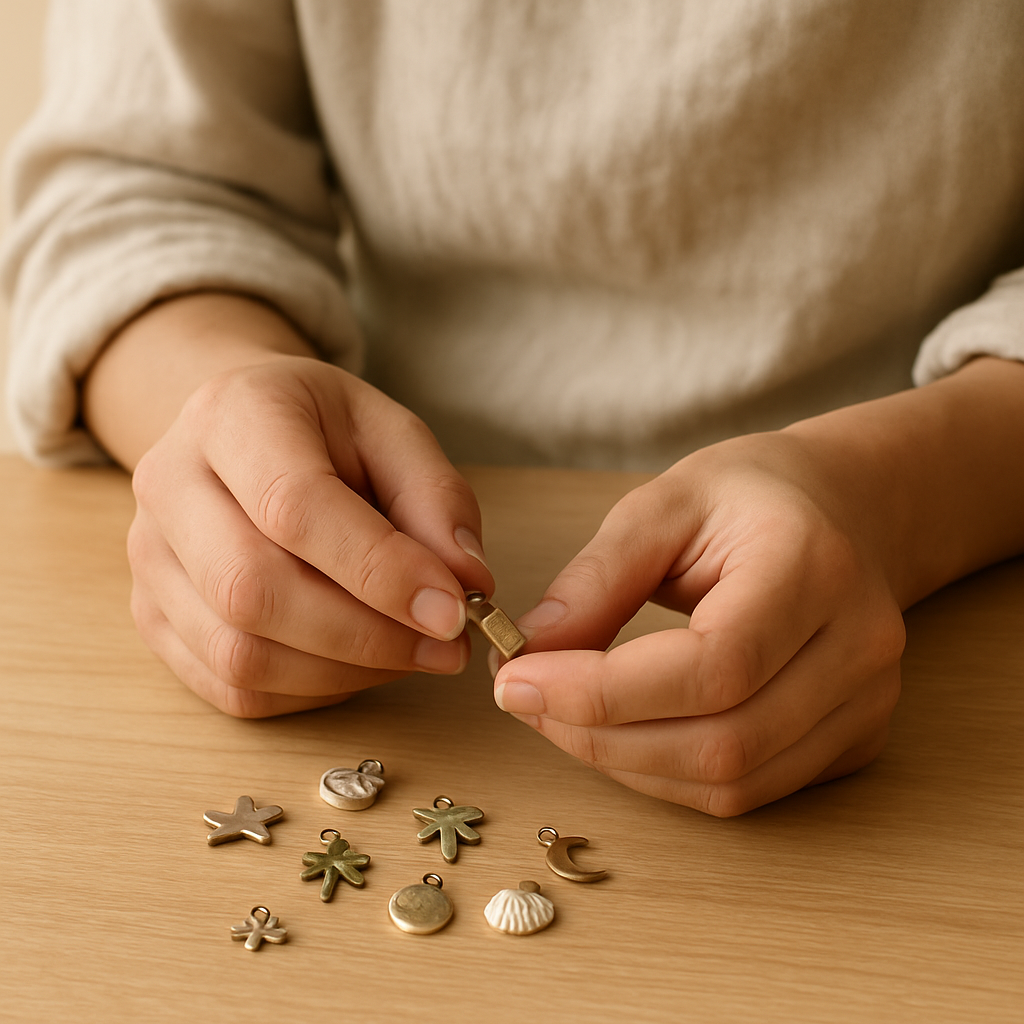
Step 1: Inspect your wholesale charms immediately upon arrival. Check for any bent loops, plating defects like peeling or discoloration, or tarnishing. If a loop is slightly bent, use your round nose pliers to gently reshape it, being careful not to apply too much pressure which can damage the plating or cause it to flake off.
- 2
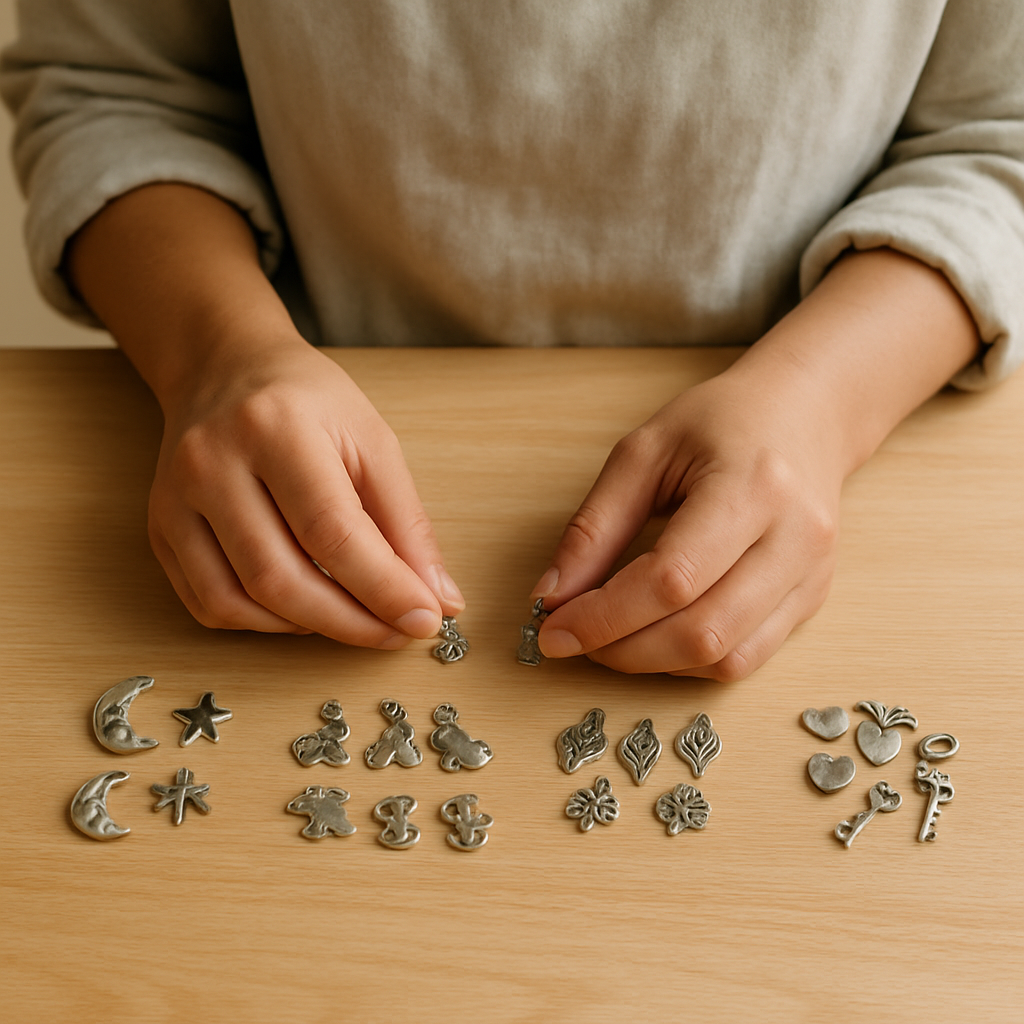
Step 2: Organize your charms by theme or color. Grouping them by categories like 'Animals,' 'Celestial,' 'Food,' or 'Initials' makes inventory management much easier and helps customers quickly find what they're looking for. For younger crafters (under 8), consider pre-attaching jump rings to all charms to simplify the building process.
- 3
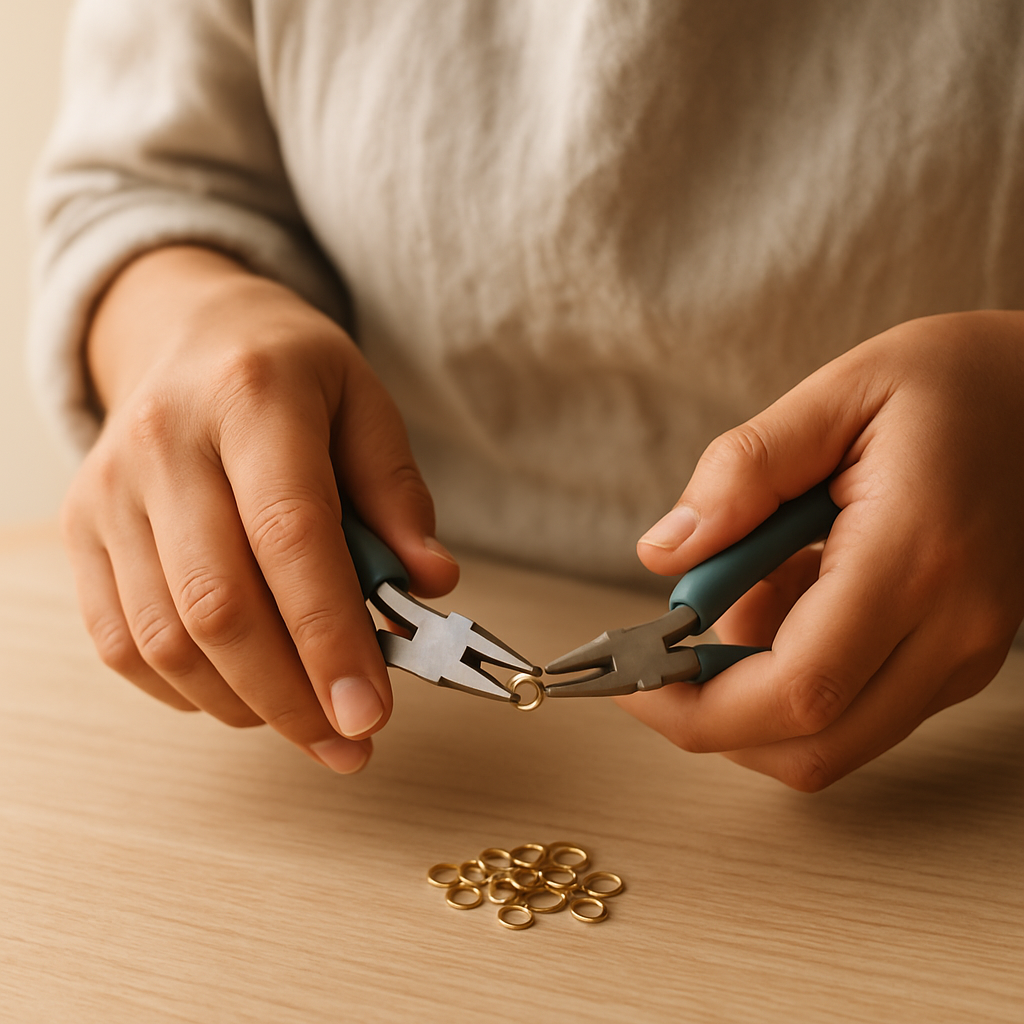
Step 3: Prepare your jump rings and pliers for assembly. To open a jump ring, grip one side with your flat nose pliers and the other side with your round nose pliers, then twist them in opposite directions, like opening a door. Never pull the jump ring apart, as this can distort its shape and weaken the metal, making it difficult to close securely.
- 4
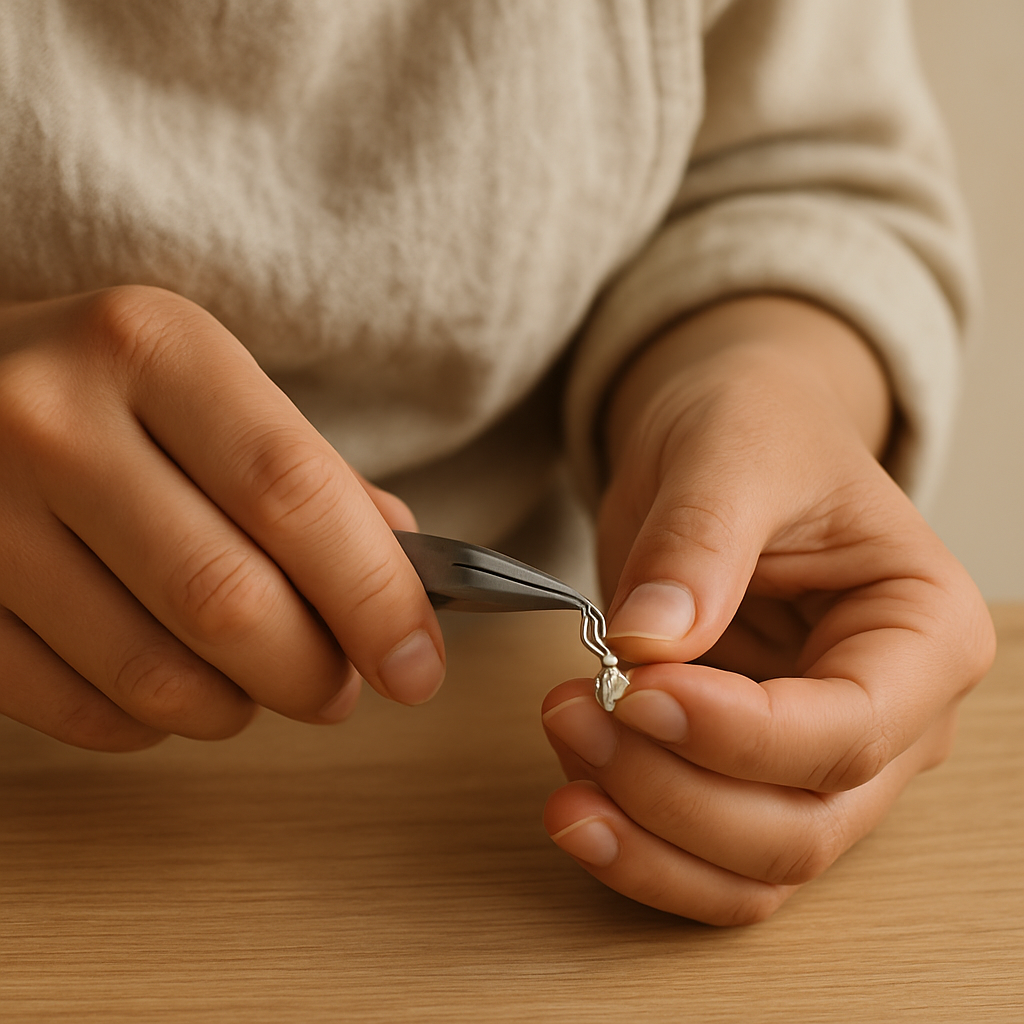
Step 4: Attach a jump ring to each charm, ensuring a secure connection. Open a 4mm inner diameter, 20 gauge jump ring using the twisting motion described in Step 3, slide it through the charm's loop, and then carefully twist the jump ring closed until the ends meet flush. If the ends don't meet perfectly, the jump ring can snag on clothing or even open unexpectedly, causing the charm to be lost.
- 5
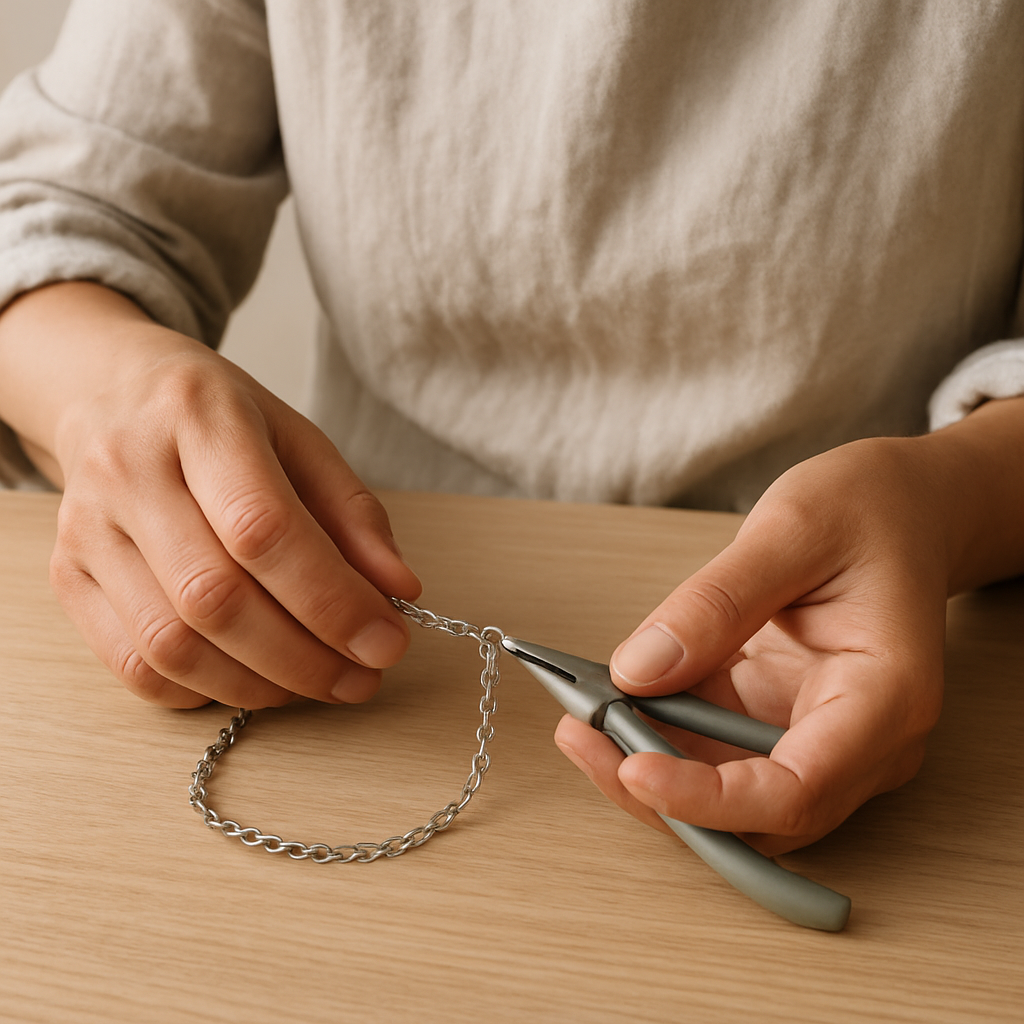
Step 5: Assemble a few sample bracelet chains to showcase possibilities. Take a 20cm bracelet chain, attach an 8mm lobster clasp to one end with a jump ring, and a 5cm chain extender to the other end with another jump ring. For younger customers, consider using larger, easier-to-handle 12mm toggle clasps instead of lobster clasps.
- 6
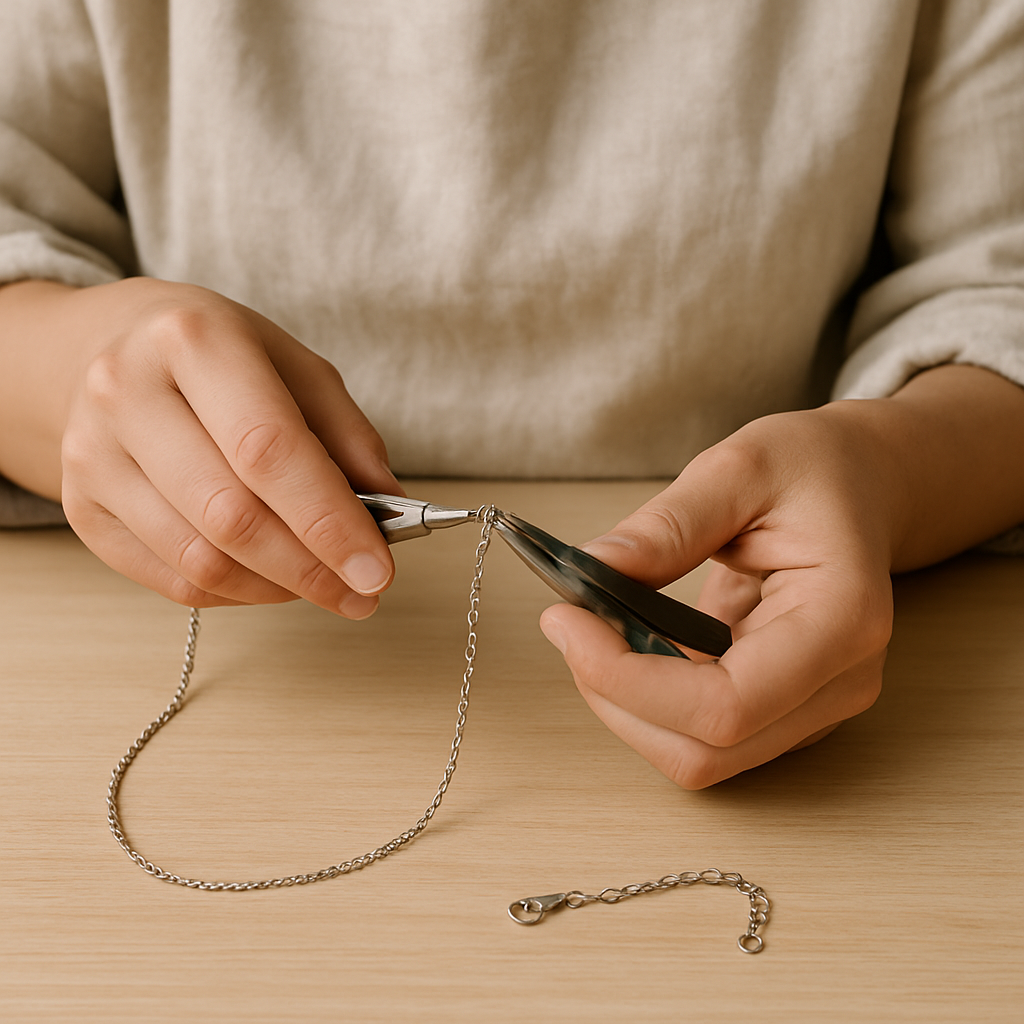
Step 6: Create sample necklace chains for display. Similar to bracelets, take a 45cm necklace chain, attach an 8mm lobster clasp to one end with a jump ring, and a 5cm chain extender to the other end with another jump ring. These samples help customers visualize the final product and the scale of the charms.
- 7
Step 7: Begin assembling sample charm combinations on chains. Select 2-4 charms that complement each other visually and attach them to a sample bracelet chain using jump rings. Aim for a balanced composition, considering charm size, color, and theme to create an appealing aesthetic that inspires customers.
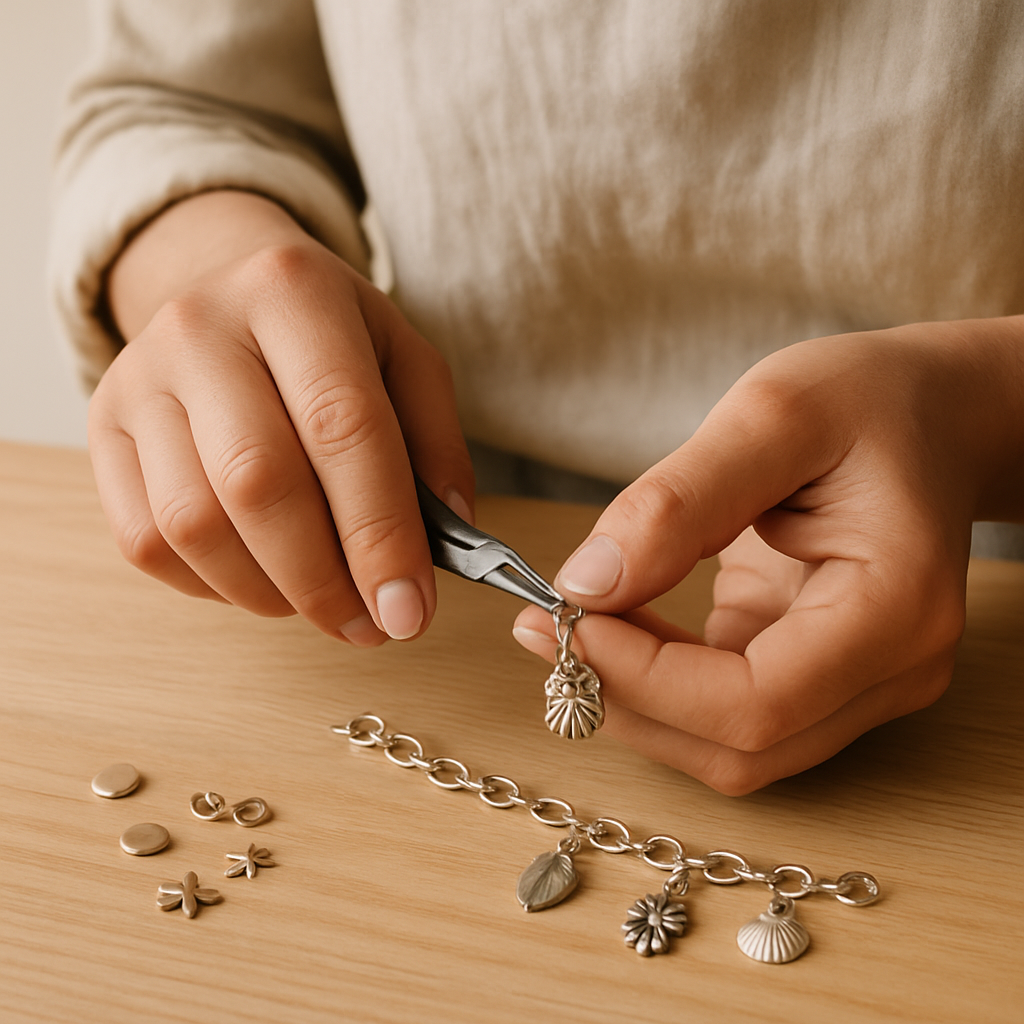
- 8
Step 8: Plan your display layout to maximize customer engagement. Arrange your tiered stand (around 30cm high) on your selling surface, placing your most popular or eye-catching charms on the top tier. Consider using optional cork boards (15cm x 15cm) pinned with charms or clear acrylic blocks (5cm x 5cm x 5cm) to highlight individual, high-value charms, adding unique visual interest.
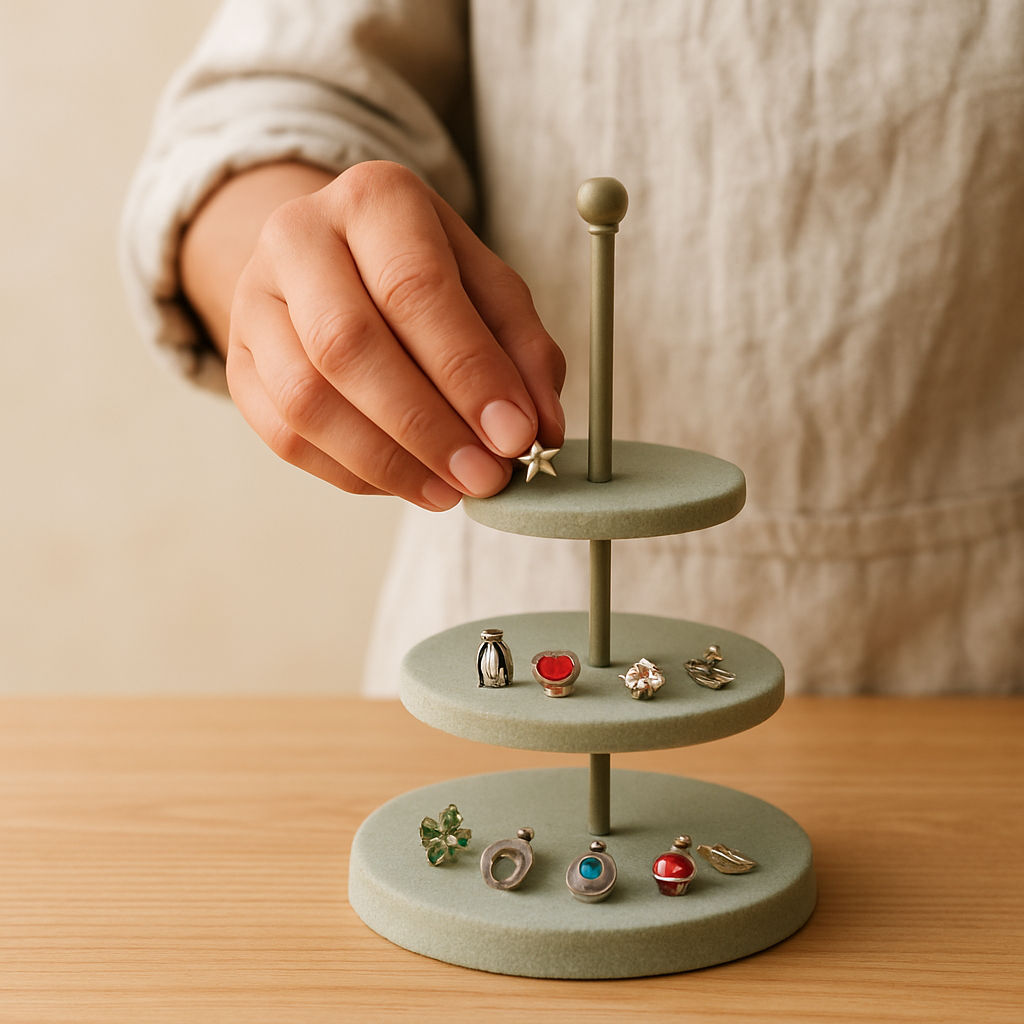
- 9
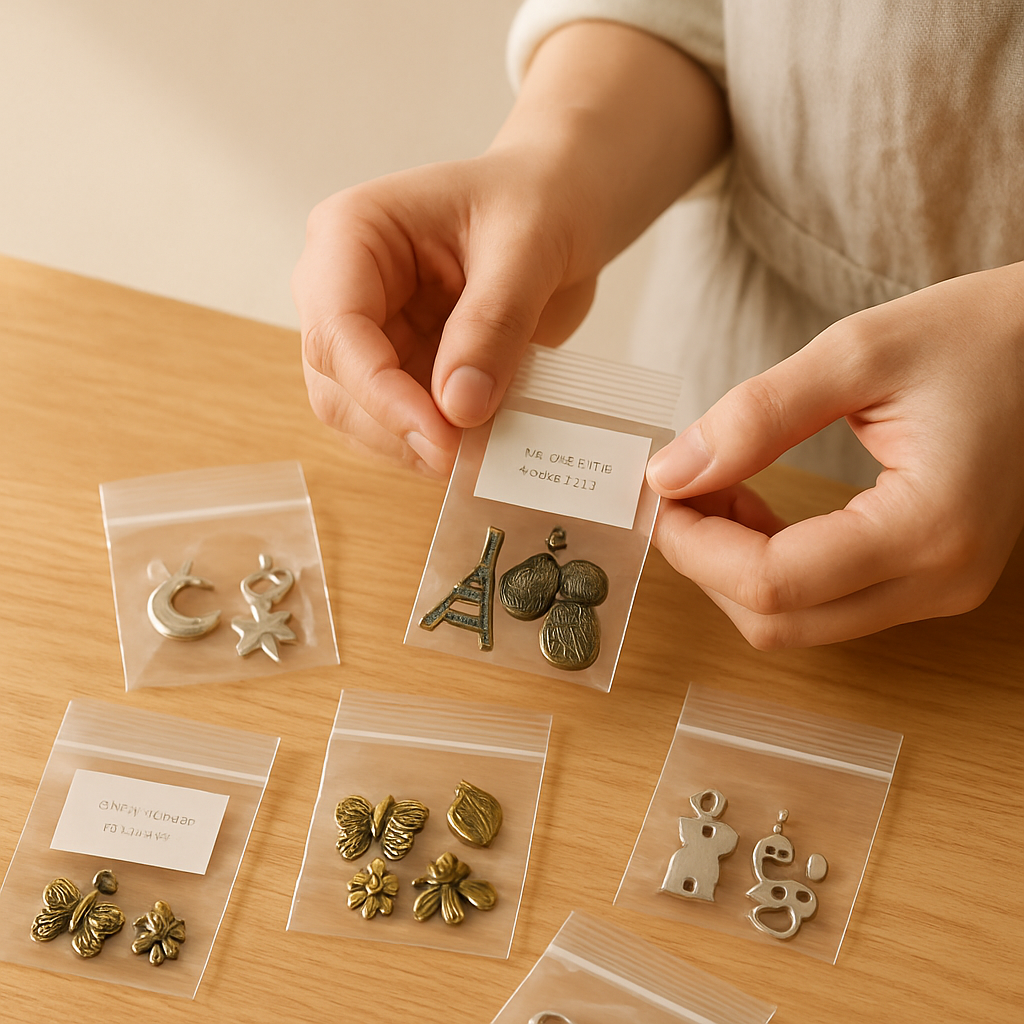
Step 9: Bag individual charms for easy handling and sale. Place 1-3 charms into a small clear resealable bag (5cm x 7cm), depending on their size and price point. This keeps them organized, prevents tangling, and allows for clear pricing labels, making them easy for customers to browse and select.
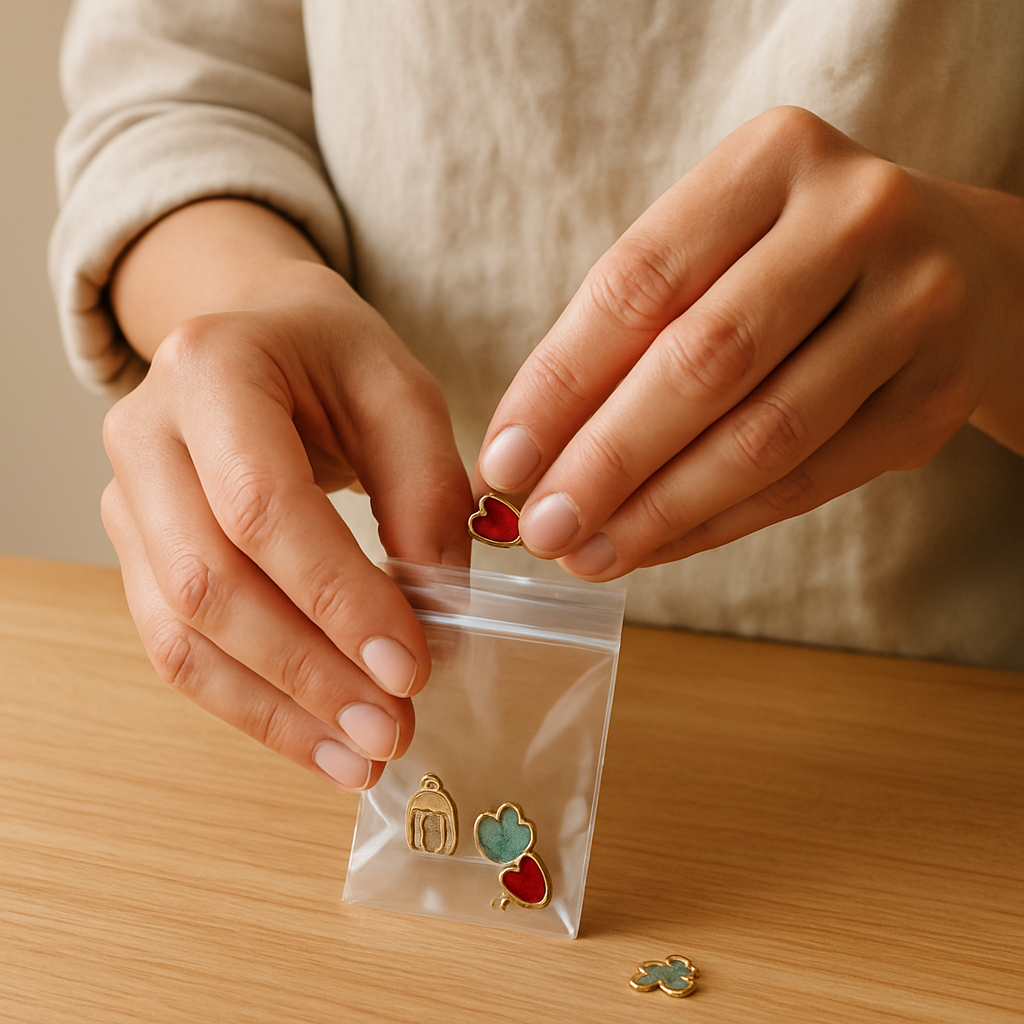
- 10
Step 10: Price your charms and finished jewelry clearly and strategically. For individual charms, a good starting point is $3-$5 each, but consider offering a bundle deal like '3 for $10' to encourage multiple purchases. For finished bracelets, price based on the number and value of charms, chain cost, and your time; a bracelet with 3 charms might range from $15-$25. Always factor in your wholesale cost, desired profit margin (aim for 2-3x cost), and perceived value.
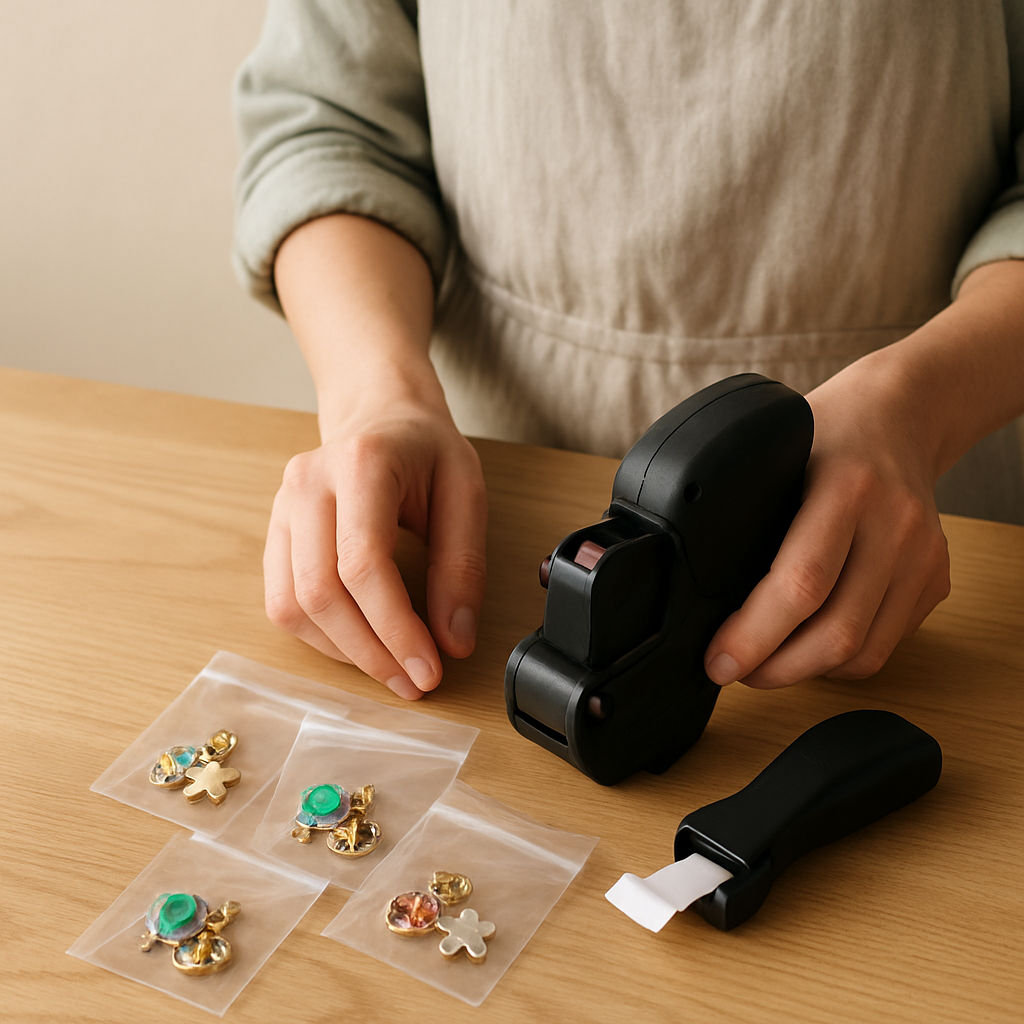
- 11
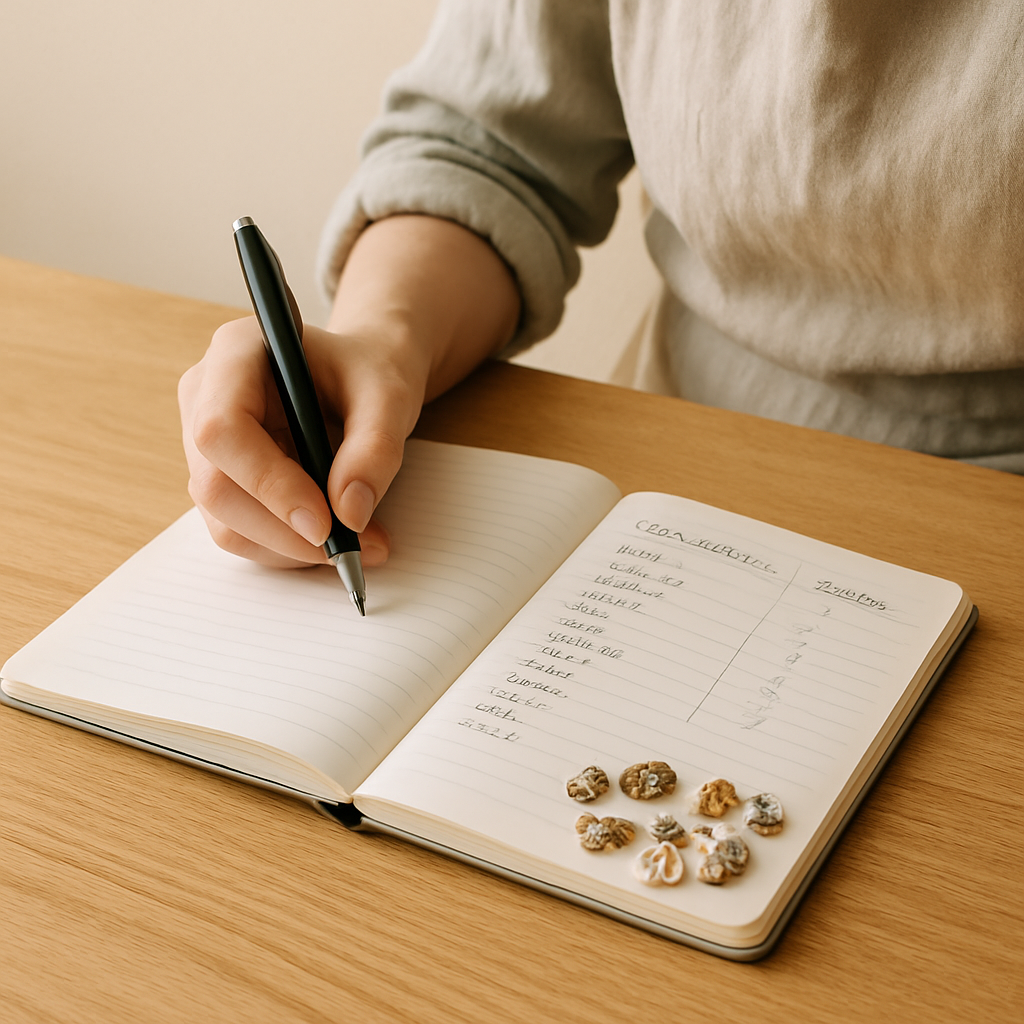
Step 11: Set up a robust inventory tracking system from the start. Use a spreadsheet with columns for 'Charm Description,' 'Supplier,' 'Cost per Charm,' 'Quantity Purchased,' 'Quantity Sold,' 'Date Last Sold,' and 'Reorder Point.' This system is crucial for knowing when to reorder popular items before they sell out, preventing lost sales and ensuring a consistent offering.
- 12
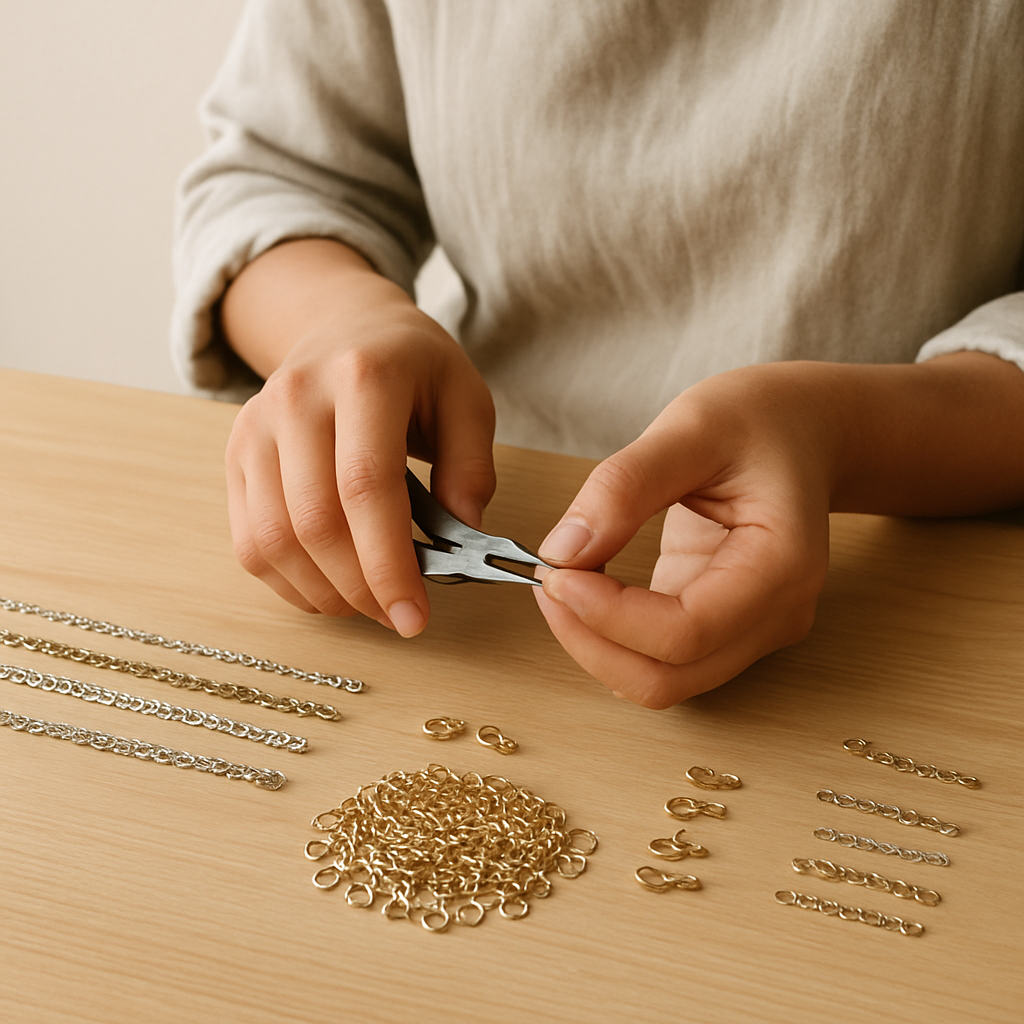
Step 12: Create an inviting 'Build Your Own' station. Provide a variety of chains, clasps, and extenders, along with plenty of jump rings and readily accessible pliers. Offer a brief, clear demonstration on how to safely open and close jump rings, empowering customers to create their own unique pieces.
- 13
Step 13: Offer curated pre-made charm sets for quick purchases. Bundle 3-5 themed charms (e.g., 'Traveler's Dreams' with a passport, airplane, and globe charm) in a bag with a descriptive tag. This appeals to customers who prefer a ready-made look or need a gift idea, and it can help move less common charms.
- 14
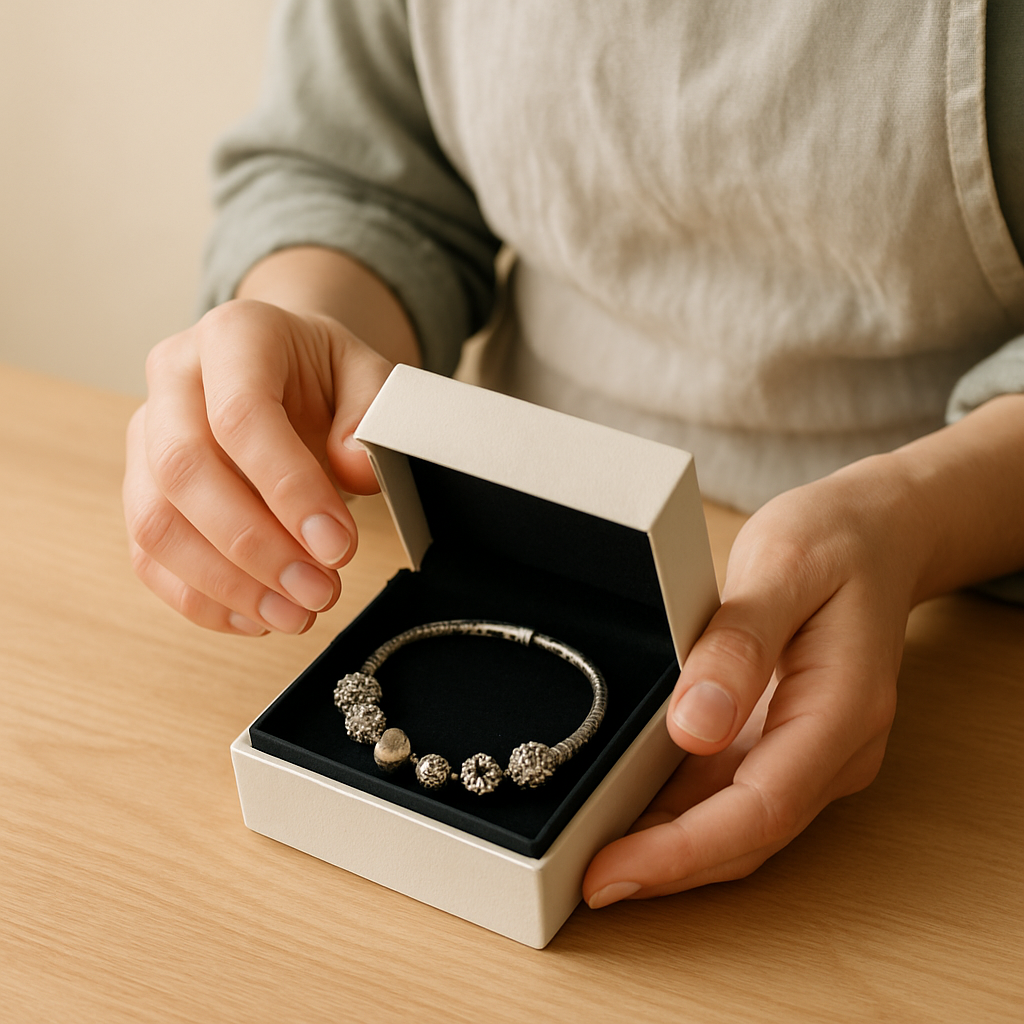
Step 14: Prepare attractive and protective packaging for finished jewelry. Use small jewelry boxes (8cm x 8cm) or branded pouches to enhance perceived value and protect the pieces during transport. Ensure the packaging complements your brand and the style of the jewelry, making the purchase feel special.
- 15
Step 15: Explore different types of charm bases and connectors for variety. Beyond standard metal charms, consider offering charms made from wood, acrylic, or resin, and compare their durability and aesthetic appeal. Also, investigate various connector types, such as split rings or specific charm holders, and explain their pros and cons for different jewelry styles and customer needs.
Tips & Troubleshooting
- 1To find truly unique wholesale charms that stand out from competitors, look beyond the major online marketplaces. Explore Etsy for independent artists, attend specialized jewelry trade shows (even virtual ones), or seek out international suppliers on platforms like Alibaba, being mindful of minimum order quantities and quality vetting. Don't overlook local craft fairs or antique markets for vintage or one-of-a-kind finds.
- 2Common issues like plating wear or tarnishing can be minimized with proactive advice. Educate customers to avoid direct contact with perfumes, lotions, and harsh chemicals, and to store jewelry in airtight bags when not in use. For charms prone to tarnishing, consider offering polishing cloths or recommending specific cleaning methods for the base metal.
- 3Jump ring compatibility is key for durability. While 4mm inner diameter, 20 gauge is a good standard, larger charm loops might require a 5mm jump ring, and very small loops could benefit from a thinner 22 gauge ring, though these are less robust. Always ensure the jump ring is closed flush to prevent snagging or accidental opening.
- 4For younger crafters (under 8), simplify the process by pre-attaching jump rings to all charms and using larger, easier-to-manage clasps like toggle clasps. This allows them to focus on the fun of selecting charms without the fiddly manipulation of small jump rings and clasps.
- 5A digital inventory log, like a spreadsheet, offers more functionality than a notebook. Use columns for 'Charm Description,' 'Supplier,' 'Cost per Charm,' 'Quantity Purchased,' 'Quantity Sold,' 'Date Last Sold,' and 'Reorder Point.' This makes tracking sales trends and managing stock levels much more efficient.
- 6Experiment with diverse display methods beyond tiered stands. Small cork boards (15cm x 15cm) allow charms to be pinned attractively, while clear acrylic blocks (5cm x 5cm x 5cm) can elegantly showcase a single, special charm. These unique displays can draw customer attention and add a boutique feel to your setup.
Related Activities You Might Enjoy
Frequently Asked Questions
What are the best types of wholesale charms for a beginner's charm bar?
For a beginner's charm bar, start with a diverse but manageable selection. Aim for popular themes like initials (A-Z), zodiac signs, basic animals (cat, dog, bird), hearts, stars, and simple geometric shapes. Ensure they have a consistent loop size (around 4mm inner diameter) for easy attachment with jump rings. Buying assorted bulk packs (e.g., 100-200 pieces with 10-20 different designs) is cost-effective and provides variety without overwhelming initial investment. Focus on charms made from durable base metals with good quality plating, like Tibetan silver or antique brass finishes, which tend to wear better than very cheap alloys.
How do I price wholesale charms and finished jewelry for a profit?
Pricing involves calculating your costs and adding a profit margin. First, determine your cost per charm by dividing the wholesale price of the pack by the number of charms. For example, if a pack of 100 charms costs $50, each charm costs $0.50. Then, consider your time and overhead. A common retail markup is 2-3 times the cost. For individual charms, you might price them at $3-$5 each, depending on uniqueness and perceived value. For finished bracelets, calculate the cost of the chain ($1-$2), clasp/extender ($0.50), and charms (e.g., 3 charms x $1 cost = $3), totaling around $4.50-$6.50 in materials. A reasonable retail price could be $15-$25, reflecting the labor and design.
What are the essential tools needed to set up and operate a charm bar?
Beyond the wholesale charms themselves, you'll need a few key tools. Essential jewelry pliers include a pair of flat nose pliers for gripping and bending, and a pair of round nose pliers for creating loops and working with jump rings. You'll also need jump rings (4mm inner diameter is standard) to attach charms to chains. Lobster clasps (8mm) and chain extenders (5cm) are necessary for finishing bracelets and necklaces. For selling, have small resealable bags (5cm x 7cm) for individual charms, a pricing gun or sticker sheets, and an inventory log notebook or spreadsheet. A small, tiered display stand (around 30cm height) is highly recommended for an attractive presentation.
Where can I find unique wholesale charms that aren't commonly found?
To find unique wholesale charms, think outside the typical craft supply stores. Explore platforms like Etsy, searching for 'unique wholesale charms' or specific niche themes (e.g., 'vintage wholesale charms', 'enamel wholesale charms'). Look for small-batch makers or international suppliers on sites like Alibaba, but be prepared to order larger quantities and carefully vet suppliers for quality. Attending industry trade shows (even virtual ones) can connect you with specialized manufacturers. Don't underestimate local craft fairs or antique markets; sometimes, you can find vintage charms or components that offer a distinct character. Consider charms made from less common materials like polymer clay, resin, or laser-cut wood for a truly standout collection.
What Next?
Once your charm bar is up and running, don't be afraid to get creative! I love offering custom bracelet stamping or putting together themed charm collections – think 'Wanderlust Adventures' or 'Furry Friends Forever'. For keeping everything tidy, I use compartmentalized bead organizers (about 15cm x 20cm) which are fantastic for sorting charms. When displaying finished pieces, tiered jewelry stands (around 30cm high) really make them stand out. The key is to keep experimenting with new charm styles and jewelry types; it keeps your offerings fresh and your customers coming back for more!
Free: 10 Paper Crafts Anyone Can Make in 5 Minutes
Get our beginner guide + new craft ideas weekly.
No spam. Unsubscribe anytime.
Did you complete this activity?
Related
You might also like
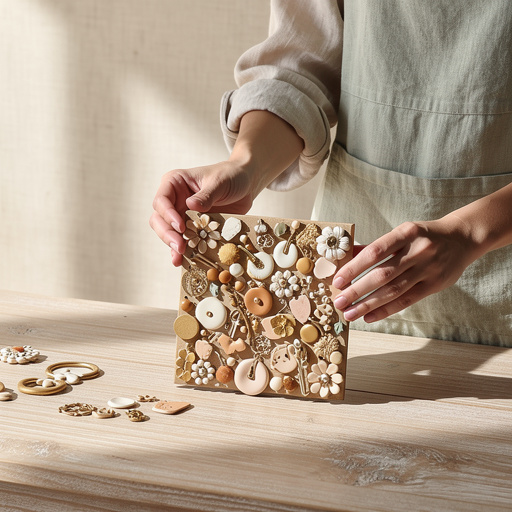
Wholesale Charm Assemblage Art & Jewelry
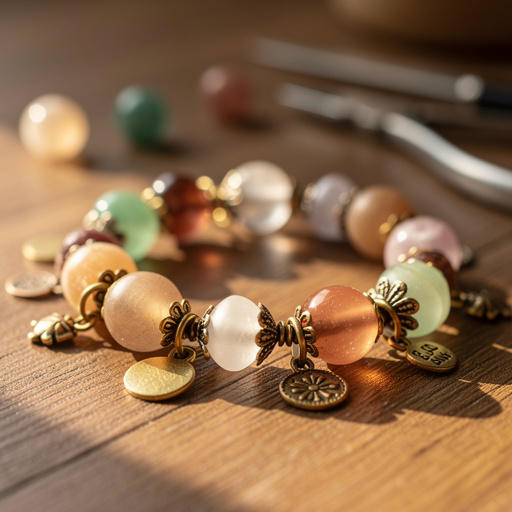
Wholesale Charm Bracelet Creation
Paper Mache Animal Masks
Clay Bead & Charm Creations
DIY Friendship Bracelets with Beads