How to Make Easy Lentil Dal — Easy Step-by-Step Guide
Whip up a comforting and flavorful Indian lentil dal with this simple recipe. Perfect for a quick, healthy, and screen-free family meal.
Quick answer
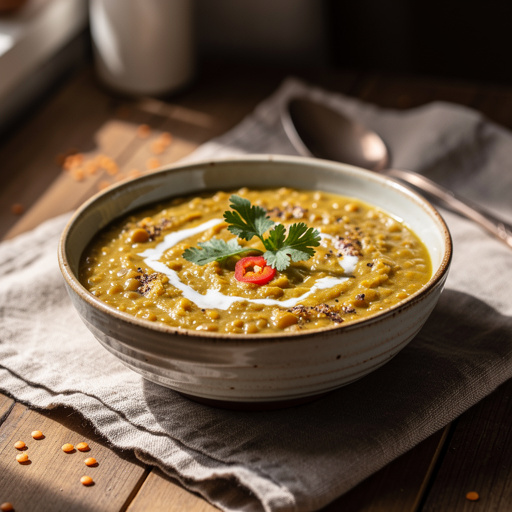
To make easy lentil dal, you need lentils, water, spices, and oil, taking about 30 minutes. Start by rinsing the lentils. This beginner-friendly activity has 10 steps and is perfect for families.
What you need
Shop on Amazon · As an Amazon Associate we earn from qualifying purchases. Links above are affiliate links — we may earn a commission at no extra cost to you.
Embark on a culinary adventure with this incredibly simple yet deeply satisfying Easy Lentil Dal recipe. This dish is more than just a meal; it's a warm hug in a bowl, perfect for busy weeknights or when you crave wholesome comfort food. Its minimal ingredients and straightforward process make it an ideal project for families looking to engage in a screen-free activity, teaching valuable cooking skills while creating something delicious. Whether you're a seasoned cook or a complete beginner, this dal is your gateway to authentic Indian flavors, proving that healthy and delicious can be incredibly easy.
On this page
Step-by-Step Instructions
- 1
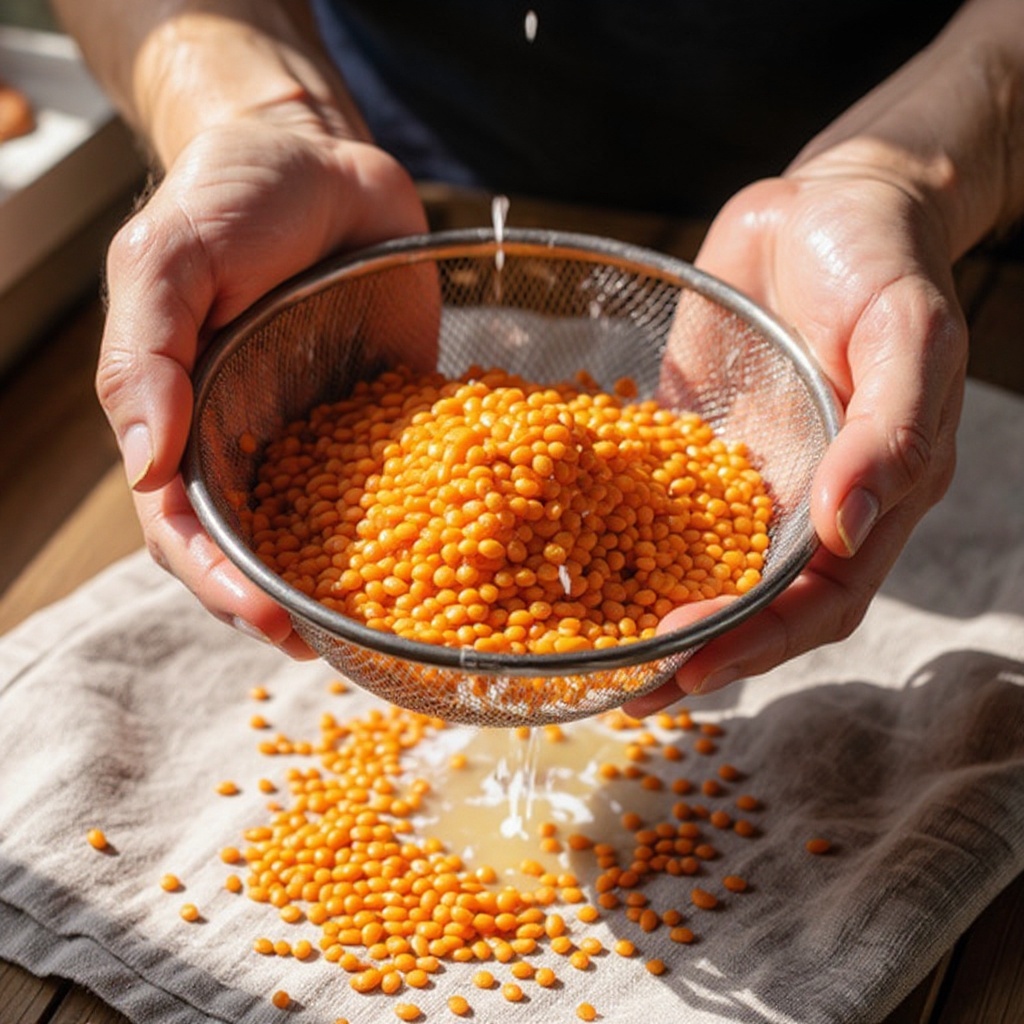
Begin by preparing your red lentils. Place the 1 cup of red lentils (masoor dal) into a fine-mesh sieve. Rinse them thoroughly under cold running water. Continue rinsing until the water runs clear, which helps remove any dust or debris and prevents the dal from becoming overly gummy during cooking. This step is crucial for a clean flavor and smooth texture.
- 2
Once the lentils are thoroughly rinsed, transfer them to a medium-sized pot. Add the 3 cups of fresh water to the pot. Ensure there's enough liquid to cover the lentils generously, as they will absorb water as they cook and soften.
- 3
Place the pot on your stovetop over medium-high heat. Bring the lentil and water mixture to a rolling boil. Keep an eye on it as it heats up to prevent it from boiling over, which can be messy.
- 4
As soon as the mixture reaches a vigorous boil, immediately reduce the heat to low. This is a critical step to ensure the lentils cook gently and evenly. Cover the pot with a tight-fitting lid, trapping the steam inside, and let it simmer for 15 to 20 minutes. The goal is for the lentils to become very soft and start breaking down into a creamy consistency.
- 5
While the lentils are simmering away, it's time to prepare the flavorful tempering, known as 'tadka' in Indian cooking. Heat 1 tablespoon of vegetable oil or ghee in a small, separate pan over medium heat. Allow the oil to get hot but not smoking; you'll know it's ready when it shimmers slightly.
- 6
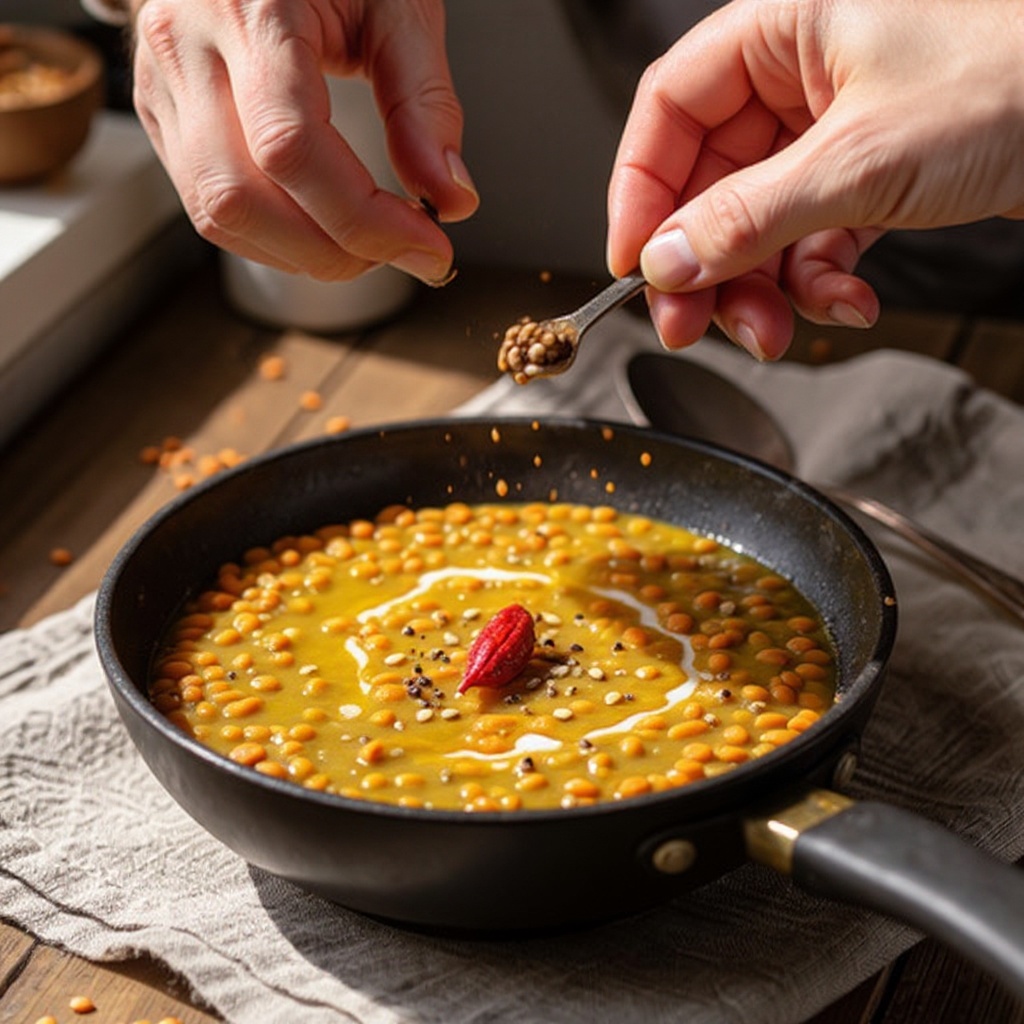
Once the oil is hot, carefully add the 1/2 teaspoon of cumin seeds and 1/4 teaspoon of mustard seeds to the pan. If you're using a dried red chili for a touch of heat, add it now as well. Let these spices sizzle and splutter in the hot oil for about 30 seconds. This process, called tempering, infuses the oil with their aromatic flavors.
- 7
Immediately after the seeds have spluttered, stir in the 1/4 teaspoon of turmeric powder. Cook for another 10 seconds, stirring constantly. Be careful not to burn the turmeric, as this can make it bitter. The turmeric will bloom in the hot oil, releasing its vibrant color and earthy notes.
- 8
If you're adding optional aromatics like minced garlic, grated ginger, finely chopped onion, or tomato, this is the time to do it. Add them to the tempering pan after the turmeric and sauté until the onions are translucent and the tomatoes have softened, about 2-3 minutes. This builds another layer of flavor into your dal.
- 9
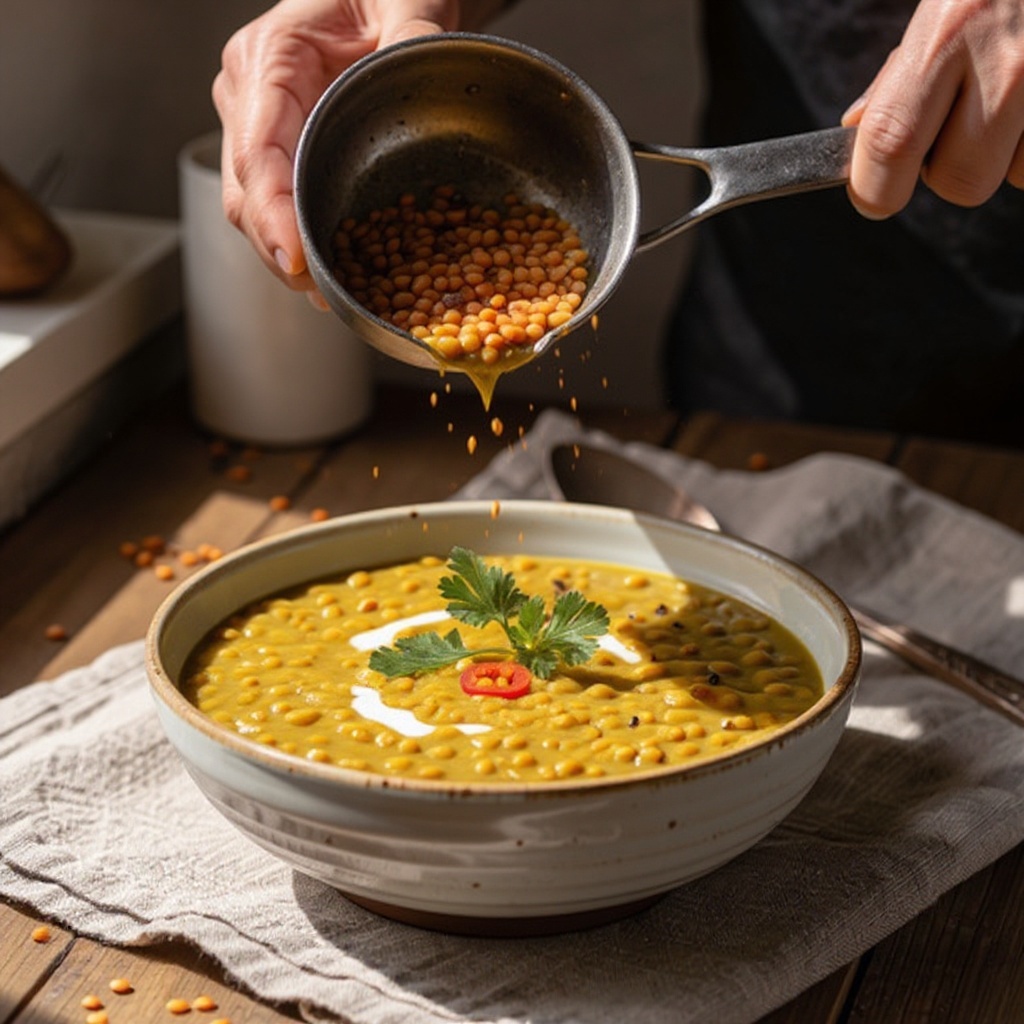
Carefully and slowly pour the entire tempering mixture, along with the infused oil, directly into the pot of cooked lentils. Be cautious as the hot oil may sizzle and steam upon contact with the lentils. This step is where the magic happens, transforming the plain lentils into a fragrant and delicious dish.
- 10
Add the 1/2 teaspoon of salt to the pot. Stir everything together thoroughly, ensuring the tempering is well combined with the lentils and the salt is evenly distributed. Allow the dal to simmer for another 2 minutes on low heat, giving all the flavors a chance to meld beautifully.
- 11
Taste the dal and adjust the salt if necessary. Some lentils absorb salt differently, so it's always best to check. If you desire a spicier kick, you can add a pinch of red chili powder at this stage along with the salt.
- 12
Once you're happy with the seasoning and consistency, remove the pot from the heat. Garnish generously with 2 tablespoons of freshly chopped cilantro. The fresh herbs add a burst of color and a refreshing aroma that complements the warm spices perfectly.
- 13
Serve the hot lentil dal immediately. It is traditionally enjoyed with steamed basmati rice, warm roti (Indian flatbread), or fluffy naan. The creamy dal pairs wonderfully with the grains and breads, creating a complete and satisfying meal.
Tips & Troubleshooting
- 1If your dal becomes too thick during or after cooking, don't worry! Simply add a little more hot water, a tablespoon at a time, while stirring. Continue adding water until you reach your desired consistency, whether you prefer it thick and hearty or more soupy.
- 2For those who enjoy a bit more heat, you can easily make this dal spicier. Add a pinch of red chili powder along with the turmeric powder during the tempering stage. Alternatively, you can finely chop a green chili and add it to the tempering for a fresh, fiery kick.
- 3To elevate the flavor profile of your dal, consider adding finely chopped aromatics to the tempering. Sautéing a small, finely chopped onion until translucent or adding a finely chopped tomato until softened before pouring the tadka into the lentils will introduce delightful new dimensions of taste.
- 4Ensuring the lentils are thoroughly rinsed is paramount. This step not only removes any impurities but also helps to achieve a smoother, less starchy texture in the final dish. Don't skip this crucial preparation step for the best results.
- 5The consistency of your dal can be adjusted to your preference. If you like a thicker, more stew-like dal, simmer it uncovered for a few extra minutes towards the end of cooking to allow excess water to evaporate. For a thinner, soupier consistency, add more hot water as needed.
- 6Don't be afraid to experiment with additional spices in your tempering. A pinch of asafoetida (hing) can add a unique savory depth, or a few curry leaves can impart a distinct aroma. Just be mindful of the quantities to avoid overpowering the delicate lentil flavor.
- 7For an extra layer of richness and a slightly nutty flavor, consider using ghee (clarified butter) instead of vegetable oil for the tempering. Ghee is traditional in many Indian households and adds a wonderful depth to the dish.
- 8If you find yourself with leftover dal, know that it often tastes even better the next day as the flavors have more time to meld. Reheat it gently on the stovetop or in the microwave, adding a splash of water if it has thickened too much.
Related Activities You Might Enjoy
Frequently Asked Questions
What are the basic ingredients for simple Indian recipes like dal?
The foundation of most simple Indian recipes, especially lentil dishes like dal, relies on a few core ingredients that are both accessible and flavorful. At its heart, you'll always find lentils, with red lentils (masoor dal) being a popular choice for their quick cooking time and creamy texture. Water is essential for cooking the lentils to a soft, porridge-like consistency. Spices are what truly bring Indian cuisine to life; common staples include cumin seeds and powder for their earthy warmth, turmeric powder for its vibrant color and subtle peppery notes, and salt to enhance all the flavors. Finally, a cooking fat like vegetable oil or ghee (clarified butter) is used to bloom the spices and add richness to the dish. These basic elements, when combined thoughtfully, create a symphony of taste and aroma.
How long does it take to cook simple lentil dal?
One of the most appealing aspects of this easy lentil dal recipe is its speed. From the moment you start rinsing the lentils to the final garnish, the entire process typically takes around 30 minutes. The actual cooking time for the lentils themselves is quite short, usually between 15 to 20 minutes, as red lentils break down quickly. The tempering process, where the spices are bloomed in oil, takes only a minute or two. This makes it an ideal dish for busy weeknights when you need a healthy and satisfying meal without spending hours in the kitchen. It's a testament to how quickly delicious and wholesome food can be prepared with simple ingredients and techniques.
Can I make this lentil dal recipe vegan?
Absolutely! This easy lentil dal recipe is incredibly adaptable and can be made entirely vegan with a simple substitution. The only non-vegan ingredient in the original recipe is ghee, which is clarified butter. To make the dish vegan, simply use vegetable oil instead of ghee for the tempering step (step 5). Vegetable oil works just as effectively to bloom the spices and add flavor. All the other ingredients – lentils, water, cumin seeds, mustard seeds, dried red chili, turmeric powder, salt, and cilantro – are naturally vegan. This makes the recipe a fantastic option for anyone following a plant-based diet, proving that delicious and authentic Indian flavors can be enjoyed by everyone.
What can I serve with simple Indian lentil dal?
Simple Indian lentil dal is wonderfully versatile and pairs beautifully with a variety of accompaniments, making it a complete and satisfying meal. The most traditional and popular pairing is with steamed basmati rice. The fluffy grains are perfect for soaking up the creamy, flavorful dal. Another classic choice is Indian flatbreads such as roti (chapati) or naan. These are excellent for scooping up the dal and offer a delightful textural contrast. For a more substantial meal, you can serve the dal as a side dish alongside other Indian curries, vegetable stir-fries, or even grilled meats. A simple side salad or some pickled onions can also add a refreshing element to the meal.
What is 'tadka' and why is it important in dal?
'Tadka,' also known as 'chaunk' or 'tempering,' is a foundational technique in Indian cooking, and it plays a crucial role in transforming simple dal into a flavorful masterpiece. It involves heating oil or ghee and then frying whole or ground spices, and sometimes aromatics like garlic, ginger, or chilies, until they release their aromas and flavors into the fat. This infused oil is then poured over the cooked lentils. The tadka is important because it not only adds a burst of complex flavors and aromas that would be lost if the spices were simply boiled with the lentils, but it also contributes to the visual appeal of the dish with its vibrant colors. It's the final flourish that elevates the dal from bland to brilliant.
Can I use different types of lentils for this recipe?
While this recipe specifically calls for red lentils (masoor dal) because they cook quickly and break down to create a creamy texture, you can certainly experiment with other types of lentils. Yellow moong dal (split and hulled mung beans) is another excellent choice that cooks relatively fast and yields a similar creamy consistency. Split pigeon peas (toor dal or arhar dal) are also commonly used for dal, though they may take a little longer to cook and might require a bit more water. Brown or green lentils are generally not recommended for this specific quick dal recipe as they hold their shape more and take significantly longer to cook, requiring a different cooking method and potentially more liquid. Always adjust cooking times and water quantities based on the type of lentil you choose.
What Next?
Congratulations on creating your delicious pot of Easy Lentil Dal! This versatile dish is a fantastic foundation for exploring further Indian cuisine. Consider adding a squeeze of lemon juice or a dollop of yogurt just before serving for a bright, creamy finish. For your next culinary adventure, try experimenting with different types of lentils like yellow moong dal or split pigeon peas (toor dal), or incorporate finely chopped vegetables like spinach, carrots, or peas into the dal while it simmers. Store any leftover dal in an airtight container in the refrigerator for up to 3-4 days; it often tastes even better the next day! This dal is best enjoyed warm, making it a perfect candidate for meal prepping.
Free: 10 Paper Crafts Anyone Can Make in 5 Minutes
Get our beginner guide + new craft ideas weekly.
No spam. Unsubscribe anytime.
Did you complete this activity?
Related