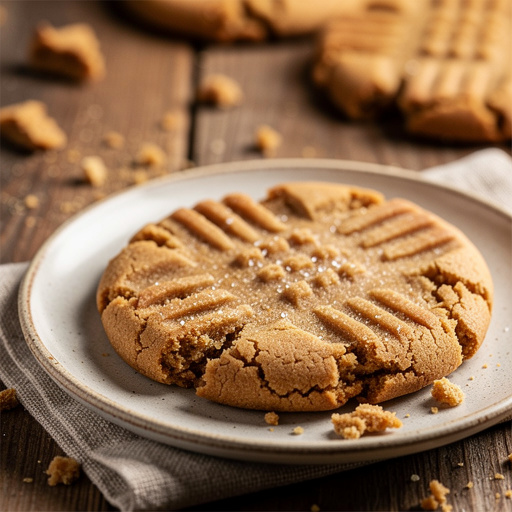
How to Make 30 Easy Baking Recipes — A Family Fun Guide
Whip up delicious treats with our collection of 30 easy baking recipes. Perfect for screen-free family fun in the kitchen, these recipes are simple, quick, and use common ingredients. From classic cookies to delightful muffins and no-bake wonders, this guide is your gateway to creating sweet memories and tasty treats together. Get ready to explore a world of flavor and fun, suitable for families with kids aged 6 and up.

Quick answer
To make easy baking recipes, you'll need common pantry staples like flour, sugar, eggs, and butter, plus specific ingredients for each recipe. Start by gathering your ingredients and preheating your oven. This beginner-friendly activity has many variations and is perfect for families with kids aged 6+. Ensure you have measuring tools, mixing bowls, baking sheets, and oven mitts ready for a smooth baking experience.
What you need
Shop on Amazon · As an Amazon Associate we earn from qualifying purchases. Links above are affiliate links — we may earn a commission at no extra cost to you.
Gather your loved ones and embark on a delightful culinary adventure with our collection of 30 easy baking recipes! This guide is designed to bring families together for screen-free fun, transforming your kitchen into a hub of creativity and delicious aromas. Perfect for beginners and seasoned bakers alike, these recipes prioritize simplicity, speed, and readily available ingredients. Whether you're looking to create a special birthday treat or simply enjoy a cozy afternoon activity, these recipes offer a rewarding and enjoyable experience for everyone, fostering valuable skills and lasting memories.
On this page
Step-by-Step Instructions
- 1
Choose your first recipe from the collection of 30 easy baking recipes. Select a recipe that appeals to your family's taste buds and suits the available time and ingredients, perhaps starting with a simple cookie or muffin recipe.
- 2
Read through the entire recipe to understand all the steps and gather all necessary ingredients and equipment. This initial read-through is crucial for identifying any potential challenges and ensuring you have everything on hand before you begin mixing.
- 3
Preheat your oven to the temperature specified in the recipe. It's important to allow the oven to reach the correct temperature fully before placing your baked goods inside, ensuring even cooking and proper browning.
- 4
Prepare your baking sheets by lining them with parchment paper or silicone baking mats. This prevents sticking, makes cleanup a breeze, and helps ensure your baked goods don't spread too much or burn on the bottom.
- 5
Measure and combine the dry ingredients in a large mixing bowl as directed by the recipe. This typically includes flour, sugar, baking soda or powder, and salt; whisk them together thoroughly to ensure even distribution.
- 6
In a separate medium bowl, measure and combine the wet ingredients. This usually involves eggs, milk, oil or melted butter, and vanilla extract; whisk them until well blended.
- 7
Gradually add the wet ingredients to the dry ingredients, mixing until just combined. Be careful not to overmix at this stage, as overworking the gluten in the flour can lead to tough baked goods.
- 8
Fold in any additional ingredients like chocolate chips, nuts, or fruit. Use a spatula to gently incorporate these additions, ensuring they are evenly distributed throughout the dough or batter without overmixing.
- 9
Drop spoonfuls of dough or batter onto the prepared baking sheets, spacing them apart. Use a spoon or a cookie scoop to create uniform portions, leaving enough space between each item to allow for spreading during baking.
- 10
Bake for the time indicated in the recipe, or until golden brown and cooked through. Keep a close eye on your baked goods during the last few minutes of baking, as oven temperatures can vary.
- 11
Carefully remove the baking sheets from the oven using oven mitts. Always use oven mitts to protect your hands from the hot baking sheets and oven interior.
- 12
Let the baked goods cool on the baking sheets for a few minutes before transferring them to a wire cooling rack. This initial cooling period on the sheet allows them to firm up slightly, preventing them from breaking when moved.
- 13
Allow the treats to cool completely on the wire cooling rack before serving or storing. Trying to move or decorate warm baked goods can lead to them falling apart or melting frosting.
- 14
Repeat the process for the remaining 29 easy baking recipes, exploring different flavors and types of treats. Each recipe offers a unique opportunity to learn new techniques and discover new favorite baked goods.
- 15
Enjoy your delicious homemade creations! Share them with family and friends, or savor them yourself as a well-deserved reward for your baking efforts.
- 16
Clean your workspace and wash all used dishes and utensils promptly. This makes future baking sessions more enjoyable and prevents dried-on batter from becoming a chore to clean.
- 17
Store cooled baked goods in airtight containers to maintain freshness. This is crucial for preventing them from becoming stale or absorbing unwanted odors from the refrigerator or pantry.
- 18
Label and date your stored baked goods if freezing them for later. This helps you keep track of what you have and when they were made, ensuring you enjoy them at their best quality.
- 19
Consider decorating your baked goods once they are completely cool. Frosting, sprinkles, or a simple dusting of powdered sugar can elevate the appearance and taste of your homemade treats.
- 20
Take photos of your finished creations to document your baking success and share with others. This can be a fun way to track your progress and inspire future baking projects.
Tips & Troubleshooting
- 1Don't overmix the batter or dough, as this can result in tough baked goods. Overmixing develops the gluten in the flour too much, leading to a dense and chewy texture rather than a tender one.
- 2If a recipe calls for room temperature ingredients (like butter or eggs), ensure they are truly at room temperature for best results. Room temperature ingredients emulsify better, creating a smoother batter and a lighter, more evenly baked final product.
- 3For perfectly uniform cookies, use a cookie scoop to portion the dough. Cookie scoops ensure consistent size and shape, which leads to even baking and a visually appealing presentation.
- 4Experiment with different add-ins like dried fruit, different types of chocolate chips, or chopped nuts to customize your recipes. This is a fantastic way to personalize your baked goods and cater to various preferences.
- 5Always measure flour correctly by spooning it into the measuring cup and leveling it off with a straight edge, rather than scooping directly from the bag. Scooping can compact the flour, leading to too much flour and dry, dense baked goods.
- 6When creaming butter and sugar, ensure the butter is soft but not melted. Creaming incorporates air, which is essential for leavening and creating a light texture in many baked goods.
- 7If you're new to baking, start with recipes that have fewer ingredients and simpler steps. As you gain confidence, you can gradually tackle more complex recipes and techniques.
- 8Taste your batter or dough (if safe to do so, i.e., no raw eggs or flour) before baking to adjust seasonings like salt or sugar. This allows for minor adjustments to ensure the final flavor is exactly to your liking.
Related Activities You Might Enjoy
Frequently Asked Questions
What are some good beginner baking recipes for kids?
Many of our 30 easy baking recipes are perfect for kids! Look for no-bake options like energy bites, which require minimal supervision and are fun to roll. Simple cookies, like sugar cookies that can be cut into fun shapes, or basic muffins are also excellent choices. Recipes that involve mixing and decorating are particularly engaging for younger children. Prioritize recipes with clear, straightforward steps and ingredients that are easy to handle, ensuring a positive and successful baking experience for your little chefs.
How can I make baking more fun for the whole family?
Involve everyone in the process! Let kids help measure ingredients, stir batters, and decorate. Choose recipes with fun shapes or colors, and make it a regular family activity. Assign age-appropriate tasks, such as cracking eggs (with supervision), adding pre-measured ingredients, or pressing cookie cutters. Turn on some music, tell stories, and focus on the joy of creating together rather than perfection. Consider themed baking days, like 'cookie decorating day' or 'muffin madness,' to add an extra layer of excitement and anticipation.
What are essential baking tools for beginners?
For beginners, essential tools include measuring cups and spoons, mixing bowls, a whisk, a spatula, baking sheets, and oven mitts. A hand mixer can be helpful but isn't always necessary for easy recipes. A good set of measuring cups and spoons is crucial for accuracy, as baking is a science where precise measurements matter. A sturdy whisk is needed for combining dry ingredients and beating eggs, while a spatula is useful for scraping bowls and folding in ingredients. Baking sheets are a must for cookies and bars, and oven mitts are non-negotiable for safety.
Can I substitute ingredients in these easy baking recipes?
While some substitutions are possible, it's best to follow recipes closely, especially for beginners. For example, substituting flour types can significantly alter the texture and outcome of your baked goods. If you need to make a substitution, research common swaps for specific ingredients, such as using applesauce for oil in some recipes or plant-based milk for dairy milk. However, for the most reliable results, stick to the recipe as written, especially when you're just starting out.
How do I store homemade baked goods?
Most cookies and bars can be stored in an airtight container at room temperature for 3-5 days. Cakes and muffins may last a bit longer. For longer storage, freezing is a great option. Ensure baked goods are completely cooled before storing to prevent condensation, which can make them soggy. For cakes, you can wrap individual slices or the whole cake in plastic wrap and then foil before freezing. Cookies can be frozen in layers separated by parchment paper. Properly stored, most baked goods can last for 2-3 months in the freezer.
What are some common mistakes beginners make in baking?
Common mistakes include overmixing batter, not preheating the oven properly, and inaccurate ingredient measurements. Overmixing develops gluten, leading to tough baked goods. An oven that isn't fully preheated can result in uneven baking and a less desirable texture. Inaccurate measuring, especially of flour, can lead to dry or dense results. Another frequent error is opening the oven door too often, which causes temperature fluctuations and can make cakes or cookies collapse. Paying attention to these details can significantly improve your baking outcomes.
Can I make these recipes ahead of time?
Yes, many of these easy baking recipes can be made ahead of time, which is perfect for busy families or for preparing for events. Cookie dough can often be refrigerated for a few days or frozen for longer storage; simply bake from frozen, adding a few extra minutes to the baking time. Muffins and quick breads can be baked and then frozen once completely cooled, reheating them gently in the oven or microwave. Some no-bake recipes, like energy bites, can also be made in advance and stored in the refrigerator.
What Next?
Congratulations on your baking journey! You've now explored a fantastic array of 30 easy recipes, perfect for creating sweet memories and delicious treats. Don't stop here – consider variations like adding different spices to your cookies, incorporating seasonal fruits into your muffins, or even experimenting with gluten-free or vegan alternatives for future bakes. Once cooled, display your creations proudly on a tiered stand or in decorative tins. For longer enjoyment, store them in airtight containers at room temperature or freeze them for future cravings. Happy baking!
Free: 10 Paper Crafts Anyone Can Make in 5 Minutes
Get our beginner guide + new craft ideas weekly.
No spam. Unsubscribe anytime.
Did you complete this activity?
Related
You might also like
Speedy 3-Ingredient Cookies
3-Ingredient Peanut Butter Delights
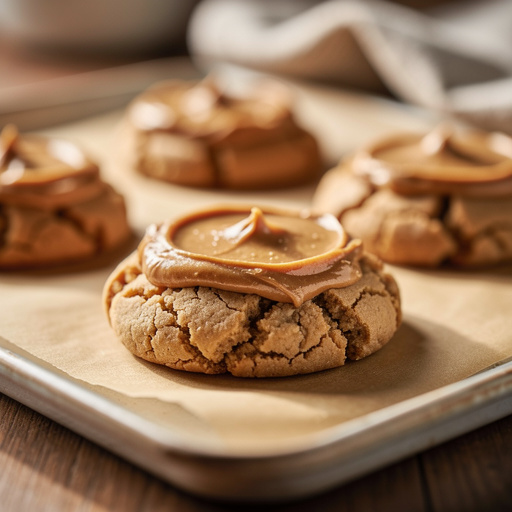
3-Ingredient Peanut Butter Drops
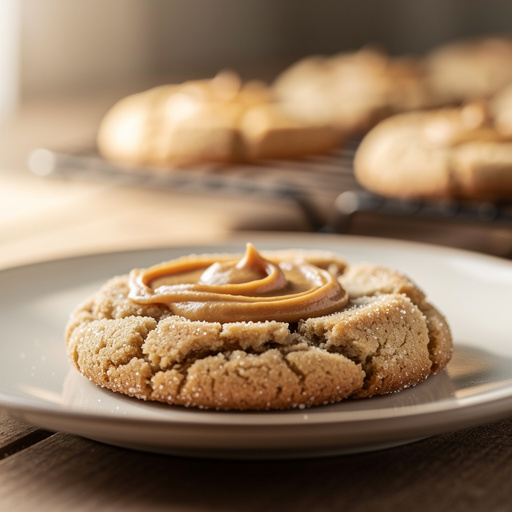
5-Ingredient Peanut Butter Drops
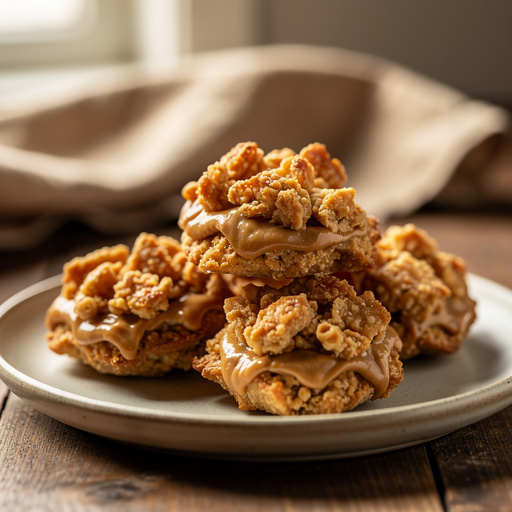
3-Ingredient Peanut Butter Puffs